





















Djibouti-Yemen Migrant Boat Tragedy: 139 Dead, Including 15 Children, 84 Still Missing
At least 139 migrants, including 15 children, have died after an overcrowded boat carrying 305 people capsized off the coast of Djibouti while travelling towards Yemen. According to the International Organization for Migration (IOM), around 82 people survived, while 84 remain missing. Search and rescue operations are continuing amid fears that the death toll could rise.

Djibouti-Yemen Migrant Boat Tragedy: 139 Dead, Including 15 Children, 84 Missing
A devastating maritime tragedy has struck off the coast of Djibouti in East Africa, where an overcrowded boat carrying hundreds of migrants capsized while travelling towards Yemen. At least 139 people have died, including 15 children, while 84 others remain missing, according to the International Organization for Migration (IOM), a United Nations agency.
The boat was carrying approximately 305 people when it met with disaster near Guhere, north of the port town of Obock. The incident occurred during the night of October 8–9, 2026. Rescue operations are continuing, and authorities fear the death toll could increase as the search for missing passengers progresses.
More Than 300 Migrants Were on Board
According to the IOM, the vessel was carrying 305 migrants when it capsized shortly after setting off from Djibouti towards Yemen.
Survivors told the agency that the boat began sinking backwards soon after they boarded. The vessel was reportedly overcrowded, which the IOM identified as the main factor behind the accident.
Around 82 people survived the disaster, while 84 remain missing. Most of the passengers were Ethiopian nationals seeking better economic opportunities and hoping to reach Gulf countries through Yemen.
The latest figures reflect the scale of one of the deadliest recorded shipwrecks along this migration route.
15 Children Among the Dead
The tragedy has been particularly devastating because children were among those who lost their lives. At least 15 children, including nine girls and six boys, were reported among the victims in the initial recovery figures.
The death toll increased from an earlier reported figure of 109 after additional bodies were recovered. The IOM has cautioned that the officially confirmed number may not reflect the full scale of the disaster, as some bodies were reportedly buried by fellow migrants and have yet to be verified by local authorities.
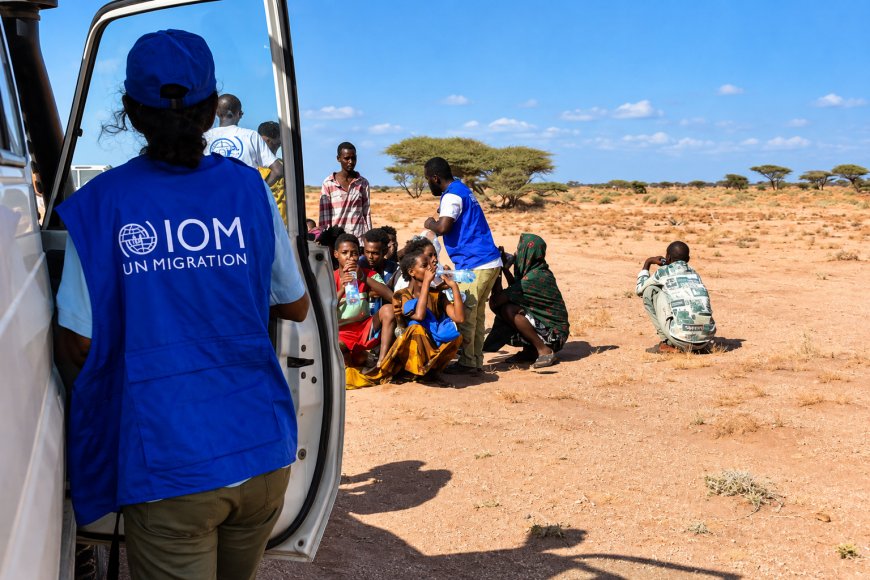
The loss has left survivors and families searching for information about their relatives. Many of those who survived are receiving assistance following the traumatic experience.
Search and Rescue Operations Continue
Local authorities in Djibouti are continuing search and rescue operations in coordination with the IOM. Emergency teams are also providing medical care and psychological support to survivors.
Some survivors have been taken to the IOM's assistance centre in Obock, where they are receiving treatment for the effects of swallowing seawater and support for the psychological trauma caused by the incident.
The agency has also been helping survivors contact their families to confirm that they are safe.
With 84 people still missing, the search remains critical. Authorities are working to establish the final toll and identify the victims wherever possible.
Why Were Migrants Travelling From Djibouti to Yemen?
Djibouti is an important transit point for migrants travelling from the Horn of Africa towards the Arabian Peninsula. Thousands undertake this dangerous journey every year, often hoping to find employment and better living conditions in wealthier Gulf countries.
Many migrants travelling along this route come from Ethiopia and Somalia. Poverty, difficult living conditions, insecurity, drought and conflict can contribute to their decision to leave their home countries.
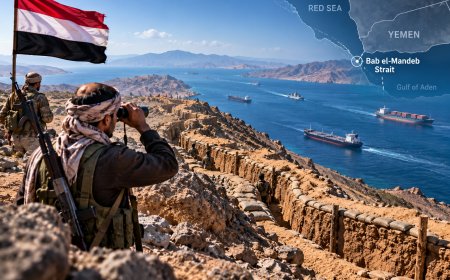
From Djibouti, migrants attempt to cross the Bab el-Mandeb Strait to Yemen, from where some hope to continue towards other countries in the Gulf region.
However, the journey involves substantial risks, including overcrowded vessels, dangerous sea conditions, human trafficking and the threat of detention. Despite these dangers, many people continue to attempt the crossing in search of a safer or more financially secure future.
Yemen's Conflict Adds to the Dangers
The route is particularly concerning because Yemen itself continues to face instability and conflict. The ongoing security crisis has made the region more dangerous for people travelling across the sea.
While migrants from the Horn of Africa continue to head towards Yemen in search of opportunities, some Yemeni residents have also been travelling in the opposite direction to escape violence.
The situation highlights the complex challenges facing migrants in the region, where people may risk dangerous journeys even when their intended destination is affected by conflict.
IOM Calls for Safer Migration Routes
The International Organization for Migration has described the incident as a devastating loss of life and highlighted the dangers faced by migrants travelling along this corridor.
The agency has called for stronger support for rescue operations and emergency assistance, as well as safer and legal pathways for people seeking opportunities abroad.
According to IOM figures, more than 900 migrants died or went missing along this route in 2025. The latest disaster underscores the continuing risks associated with irregular migration and unsafe sea crossings.
The agency has urged governments and international partners to strengthen efforts to prevent further loss of life.
Conclusion
The capsizing of the migrant boat off Djibouti has left at least 139 people dead, including 15 children, while 84 remain missing. Around 82 people survived the disaster, according to the IOM.
As rescue and recovery operations continue, the incident has renewed concerns about overcrowded boats and the dangerous journeys undertaken by migrants seeking employment and safety.
The tragedy is a reminder of the human cost of unsafe migration routes and the urgent need for effective rescue operations, stronger protections for migrants and safer legal alternatives for people seeking a better future.
What's Your Reaction?
 Like
0
 Dislike
0
 Love
0
 Funny
0
 Angry
0
 Sad
0
 Wow
0