


































Rhino Dehorning Cuts Poaching by Nearly 80% | Conservation Breakthrough
A landmark study finds that strategic dehorning of rhinos in African reserves has reduced poaching by nearly 80%, highlighting an effective conservation tool in the fight against illegal horn trade and supporting long‑term species survival.

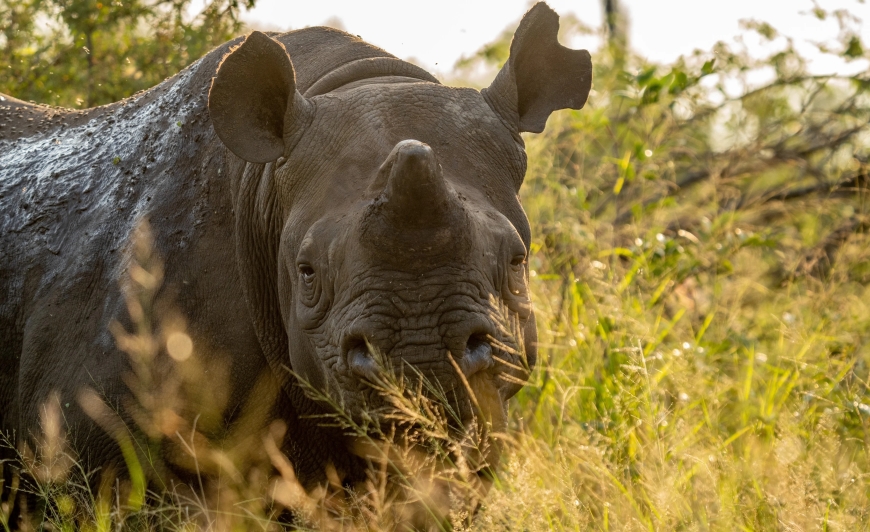
In one of the most compelling conservation success stories in recent years, wildlife managers and scientists report that dehorning rhinoceroses across key African reserves has dramatically reduced poaching incidents, providing a promising tool to protect one of the continent’s most threatened species. A seven‑year study in the Greater Kruger Region of South Africa found that areas where rhinos had their horns removed saw poaching rates drop by nearly 78 % compared with neighboring areas where horns were left intact.
A Game‑Changing Conservation Strategy
The study, published in the journal Science, analyzed data from 11 wildlife reserves between 2017 and 2023, a landscape that conserves around 25% of Africa’s rhinoceros populations—both black and white rhinos. Researchers found that, while traditional anti‑poaching efforts such as ranger patrols, surveillance teams, and helicopters remain important, they did not reduce poaching as effectively as preemptive dehorning.
According to lead researchers, 2,284 rhinos were dehorned across eight of the reserves involved in the study. Despite this making up only about 1.2% of total anti-poaching spending, the approach was associated with a 78 % reduction in poaching incidents in those areas.
Reducing Incentives for Poaching
Rhino horns are highly prized on the black market, particularly in parts of Asia, where they are erroneously believed to have medicinal or aphrodisiac properties—a demand that drives illegal poaching and pushes rhino species toward extinction. By removing horns before poachers can target them, dehorning reduces the financial incentive for illegal hunting, a strategy that conservationists are now pointing to as a practical deterrent in high‑risk landscapes.
Experts emphasize, however, that dehorning is not a stand‑alone solution; it works best in combination with ongoing anti‑poaching enforcement, community engagement, and broader conservation strategies. Even in dehorned populations, some poachers still target rhinos for regrown horns or stumps, meaning that other protective efforts remain essential.
The reduction in poaching follows broader efforts across South Africa and other African nations to curb illegal wildlife trade. Recent national data showed that South Africa recorded a 16% drop in rhino poaching in 2024, with 420 animals killed—down from 499 the previous year—partly attributed to dehorning initiatives and other protective measures.
Conservationists warn that despite the progress, the threat persists. Factors such as international demand for horns, economic inequality, corruption, and gaps in law enforcement still fuel poaching across the continent. Experts also caution that dehorning must be part of long‑term solutions that include stronger legal frameworks, global cooperation, and sustained funding for wildlife protection.
The success of dehorning programs has prompted renewed discussion among wildlife managers and governments on expanding such interventions to other vulnerable landscapes. Conservation bodies stress that protecting rhino populations not only preserves biodiversity but also supports ecotourism and local economies that depend on healthy wildlife populations.
While dehorning itself does not fully replace the biological function of horns—which rhinos use for social interaction, defense, and foraging—the strategy represents a practical compromise to safeguard these iconic mammals from the immediate threat of poaching.
What's Your Reaction?
 Like
0
Like
0
 Dislike
0
Dislike
0
 Love
0
Love
0
 Funny
0
Funny
0
 Angry
0
Angry
0
 Sad
0
Sad
0
 Wow
0
Wow
0