




























Indus Valley Civilization: The Ancient Urban Marvel of South Asia
Explore the Indus Valley Civilization, one of the world’s earliest urban cultures. Learn about Harappa, Mohenjo-Daro, trade, writing, city planning, and its enduring legacy.

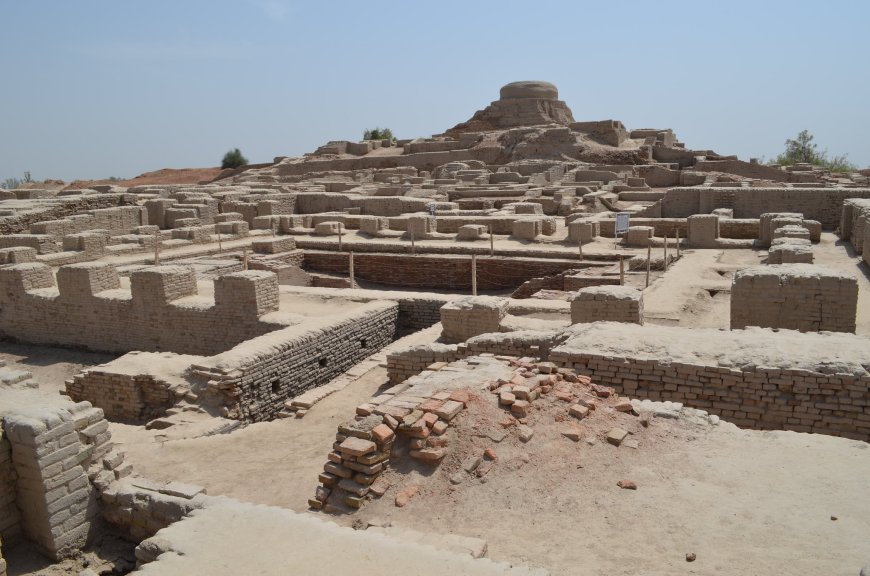
The Indus Valley Civilization (IVC), also known as the Harappan Civilization, is one of the world’s earliest urban cultures, flourishing around 3300–1300 BCE in the northwestern regions of South Asia. Covering parts of modern-day Pakistan and northwest India, it was contemporary with the civilizations of Mesopotamia and Ancient Egypt, yet it exhibited its own unique sophistication in urban planning, trade, and social organization.
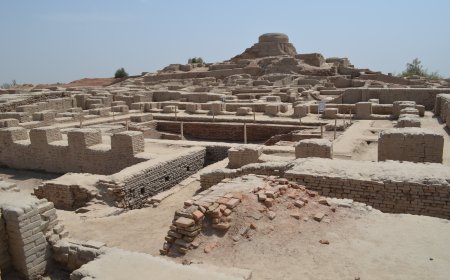
The civilization is renowned for its advanced city planning and architecture. Cities such as Harappa and Mohenjo-Daro were built on a grid pattern, with streets laid out in perfect alignment and divided into residential and administrative sectors. Houses were constructed from baked bricks, often featuring private bathrooms and sophisticated drainage systems, highlighting an early understanding of urban hygiene and civic management.
The Great Bath

Trade played a crucial role in the prosperity of the Indus Valley Civilization. The people engaged in commerce with regions as far as Mesopotamia, exchanging goods such as cotton textiles, beads, pottery, and semi-precious stones. Archaeological evidence of standardized weights and measures indicates a highly organized economic system that relied on accuracy and fairness in trade.
The Indus Valley people also developed a system of writing, though it remains undeciphered to this day. Known as the Indus script, it appears on seals, pottery, and tablets, suggesting that they had a form of administrative record-keeping. Alongside trade, the civilization showcased a rich material culture with pottery, jewelry, figurines, and tools, reflecting both artistry and functionality.
Social organization in the Indus Valley appears to have been relatively egalitarian, with no clear evidence of monumental palaces or temples dominating the cityscape. This has led historians to speculate that the society may have been governed by collective civic councils or community-based decision-making structures. Religion and spiritual practices are inferred from artifacts such as figurines of deities and animals, but much about their belief system remains unknown.
The decline of the Indus Valley Civilization around 1900 BCE is still a subject of research and debate. Factors like climate change, declining river systems, and possibly invasions may have contributed to the gradual abandonment of urban centers. Despite its disappearance, the legacy of the IVC lives on in South Asia’s cultural and technological heritage.
Citadel
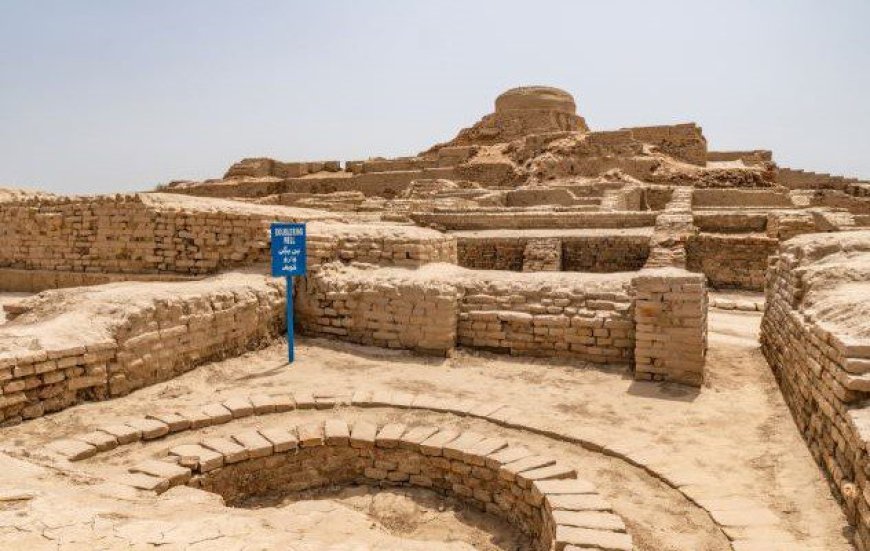
Today, the Indus Valley Civilization remains a symbol of early human ingenuity, showcasing how complex societies developed urban infrastructure, trade networks, and cultural expression thousands of years ago. Archaeological discoveries continue to provide insights into this remarkable civilization, making it a cornerstone of ancient human history.
What's Your Reaction?
 Like
0
Like
0
 Dislike
0
Dislike
0
 Love
0
Love
0
 Funny
0
Funny
0
 Angry
0
Angry
0
 Sad
0
Sad
0
 Wow
0
Wow
0