



































Take Care of Your Skin: Your Body’s First Line of Defense

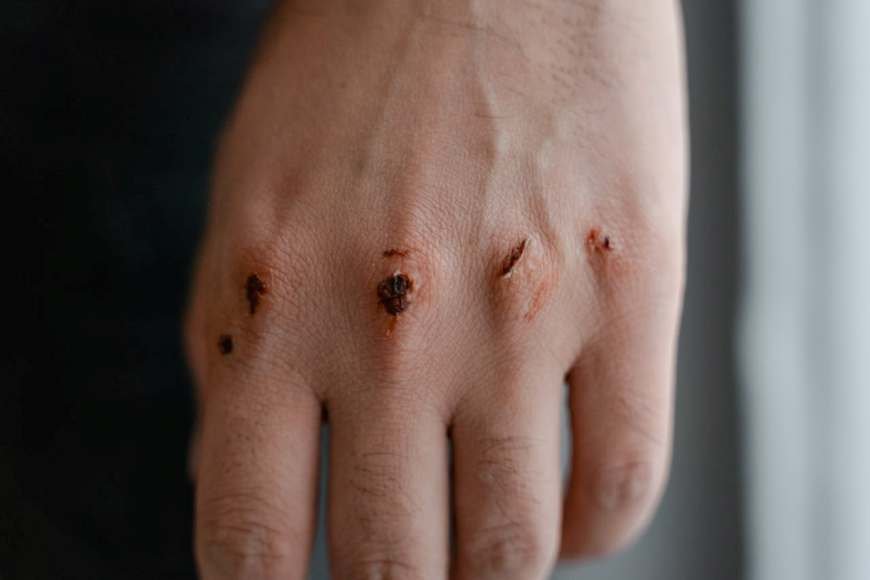
People often say true beauty comes from within — but the outer layer matters too. Your skin is not only the body’s largest organ but also its first shield against the outside world. It plays a vital role in protecting you from harmful elements, while also revealing signs of your inner health. Learning how to care for it properly helps ensure it continues to protect you effectively.
Why Skin Matters
According to dermatologists, the skin forms a strong barrier that keeps out bacteria, pollutants, and other environmental hazards. It also contains nerve endings that sense pain, pressure, and temperature, helping you react quickly to danger. Tiny blood vessels and sweat glands in the skin regulate body temperature, and skin cells use sunlight to produce vitamin D, which is essential for strong bones.
When Skin Signals a Problem
Changes in your skin can indicate underlying health issues. Persistent itching or redness could point to allergies or infections, while a butterfly-shaped rash may suggest lupus. A yellowish tone might signal liver problems, and new or irregular moles could be early signs of skin cancer. If you notice unusual changes, consult a healthcare professional.
Avoiding Dryness
Your skin may dry out if you don’t stay hydrated or spend long periods in hot, dry environments. Overwashing, especially with hot water or harsh soaps, can also strip away natural oils. To prevent this, use gentle cleansers, moisturize regularly, and bathe with warm, not hot, water. A humidifier can also help maintain indoor moisture levels during dry seasons.
Guarding Against Sun Damage
Sunlight provides vitamin D but also emits ultraviolet (UV) rays that can cause sunburn, premature aging, and skin cancer. Dermatologists recommend wearing protective clothing, wide-brimmed hats, and sunscreen with SPF 30 or higher. Try to avoid direct sun exposure during peak hours — typically between 10 a.m. and 3 p.m.
The Skin Microbiome
Researchers are exploring the skin microbiome — the community of microscopic organisms living on the skin’s surface. Many of these microbes are beneficial, helping strengthen the immune system and prevent infection. Scientists are studying how maintaining a healthy balance of these microbes could improve skin health and prevent certain diseases.
Simple Habits for Healthier Skin
· Stay hydrated by drinking enough water daily.
· Eat a balanced diet rich in fruits, vegetables, and healthy fats.
· Moisturize your skin regularly.
· Protect against excessive sun exposure.
· Avoid smoking and limit alcohol intake.
· Keep stress under control — it can trigger or worsen skin conditions.
Taking care of your skin isn’t about vanity — it’s about health. With daily care and a few mindful habits, your skin can continue to protect you and keep you feeling confident inside and out.
What's Your Reaction?
 Like
0
Like
0
 Dislike
0
Dislike
0
 Love
0
Love
0
 Funny
0
Funny
0
 Angry
0
Angry
0
 Sad
0
Sad
0
 Wow
0
Wow
0