




























Madhubani Art: The Timeless Cultural Canvas of India’s Heartland
Explore the rich heritage of Madhubani art — a traditional folk painting from Bihar’s Mithila region — its cultural symbolism, historical roots, techniques, and global influence.

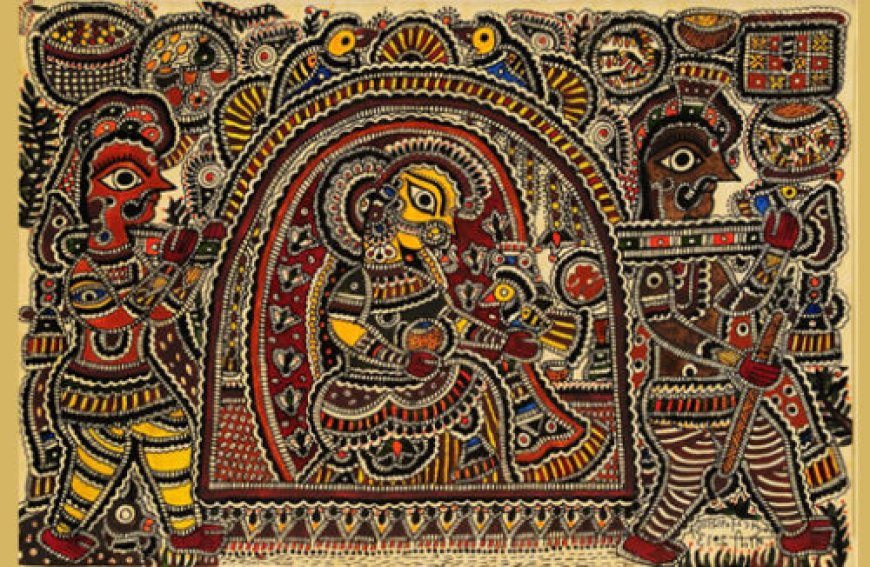
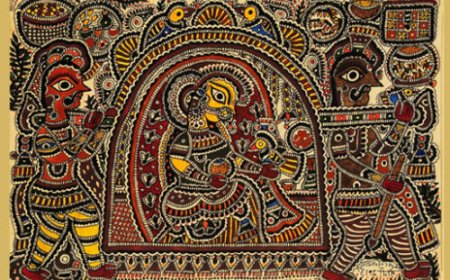
Madhubani art, also known as Mithila painting, is one of India’s most ancient and vibrant folk art traditions, originating from the Mithila region of Bihar. This art form is globally recognized for its bold colors, intricate patterns, and deep cultural symbolism, representing the rich artistic heritage of rural India.
Ancient Roots and Cultural Heritage
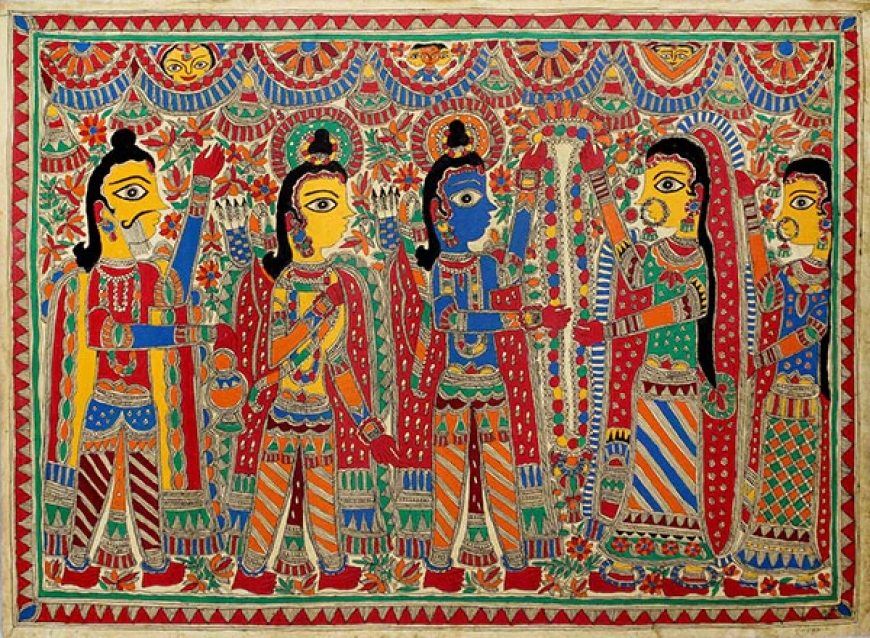
The tradition of Madhubani painting dates back centuries and is deeply interwoven with regional mythology and community life. It is believed that the art form was practiced as early as the time of the Ramayana, when the walls of King Janak’s palace in Mithila were decorated in preparation for Sita’s marriage to Lord Rama. Traditionally, these paintings were made on the mud walls and floors of homes, especially during festivals, weddings, births, and religious ceremonies, with the belief that the art brought blessings, prosperity, and spiritual protection to the household.
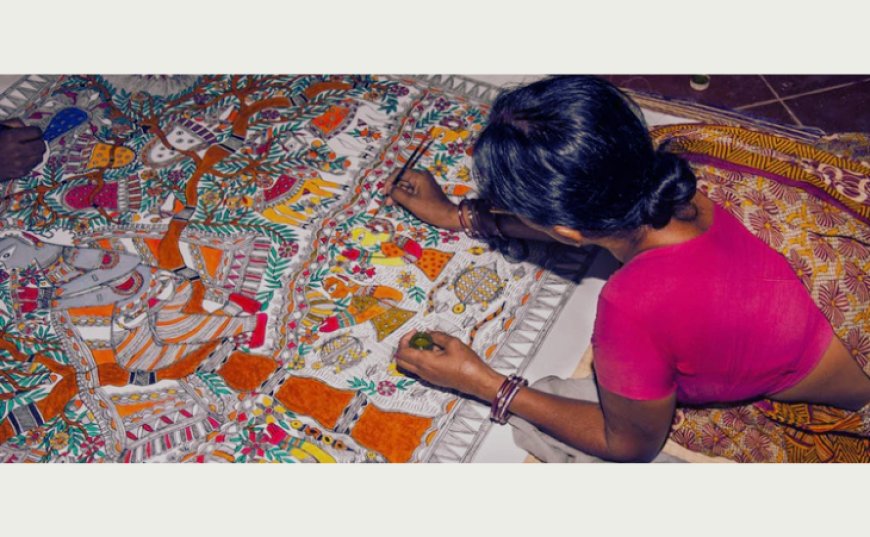
For generations, women of the Mithila community were the primary custodians of this art, passing unique styles and symbolic motifs down from mothers to daughters. Initially, the art was created using natural pigments and simple tools such as twigs, fingers, matchsticks, and rice straw brushes. Colors were derived from sources like turmeric, plant extracts, soot, and rice paste, giving the paintings their vivid yet organic palette.
Styles and Symbolism
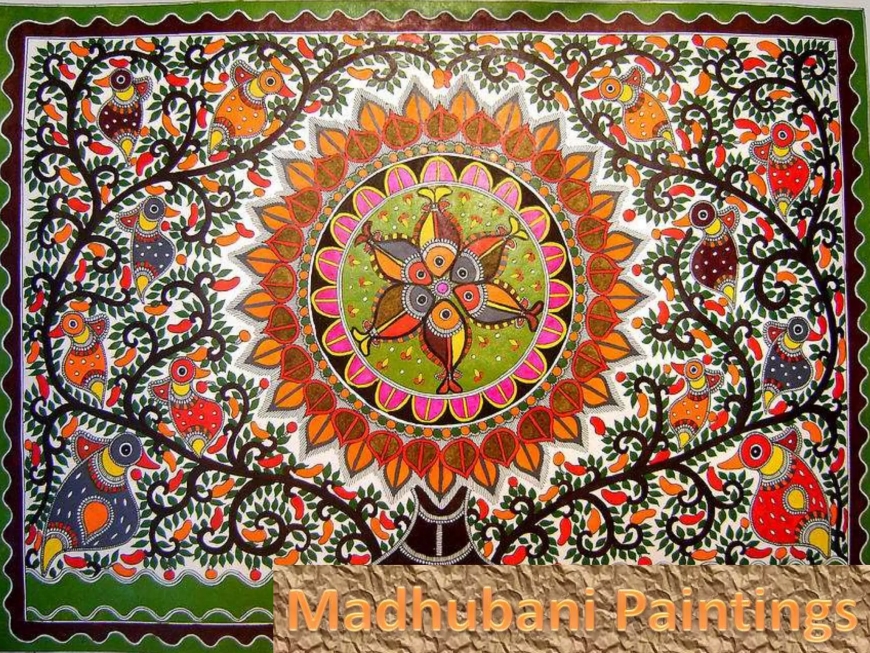
Madhubani paintings are not monolithic; they encompass multiple styles, each with distinct techniques and cultural meanings. The Bharni style is known for its colorful fills and bold outlines, traditionally used to depict deities; Kachni focuses on fine line work; Kohbar represents marital bliss and fertility, while Tantrik and Godna styles draw on deeper spiritual and tattoo-like imagery.
Themes in Madhubani art often revolve around Hindu mythology and cosmology—scenes from the Ramayana and Mahabharata and images of gods and goddesses like Krishna, Rama, Durga, and Saraswati, as well as natural elements such as the sun, moon, fish, birds, and trees. Each element carries cultural meaning; for example, fish often represent fertility and prosperity, while peacocks stand for beauty and grace.
Cultural Significance and Ritual Life
Beyond aesthetics, Madhubani art serves as a visual diary of community life. In the Mithila region, paintings are traditionally made to mark key life events and seasonal festivals. During weddings, the kohbar ghar (bridal chamber) is adorned with elaborate motifs symbolizing fertility, love, and union. On festivals like Holi, Diwali, and Durga Puja, walls and courtyards burst into colorful narrative paintings that unify religious devotion with artistic expression.
This art is a powerful medium of cultural storytelling and an expression of local beliefs, social customs, and spiritual practices. Its motifs not only decorate spaces but also preserve collective memory, reflecting the agricultural rhythms, mythic lore, and natural world of rural North India.
Evolution and Global Recognition
In the mid-20th century, Madhubani painting underwent a significant transformation. Due to drought and economic hardship in the region, artists—particularly pioneering women like Sita Devi and Ganga Devi—began applying traditional motifs onto paper and canvas, enabling the art to be sold and exported. This shift helped the craft gain national and international recognition, lifting many artisans out of subsistence life and bringing the art form onto the global stage.
Today, Madhubani art appears on handmade paper, cloth, canvas, textiles, and even modern décor items. Its influence extends beyond traditional boundaries, appearing in fashion, digital art, and global exhibitions. Despite its commercialization, many artists strive to retain the authentic techniques and cultural depth of the tradition while adapting to contemporary markets.
Preserving a Cultural Legacy
Even as it adapts to changing times, Madhubani painting remains a living cultural heritage—a testament to the creative spirit of the Mithila region. It embodies centuries of ritual, storytelling, social identity, and artistic ingenuity that continue to thrive today. Efforts by cultural organizations, governments, and community groups aim to ensure that traditional methods and styles are not lost even as the art migrates into new forms.
In a rapidly modernizing world, Madhubani art stands as both a symbol of regional pride and a global ambassador of Indian folk culture—vibrant, symbolic, and richly expressive.
What's Your Reaction?
 Like
0
Like
0
 Dislike
0
Dislike
0
 Love
0
Love
0
 Funny
0
Funny
0
 Angry
0
Angry
0
 Sad
0
Sad
0
 Wow
0
Wow
0