




























New Year’s Eve Disrupted: Gig Workers and Delivery Partners Launch Nationwide Strike Over Pay and Safety
Gig workers and delivery partners across India have launched a nationwide strike on New Year’s Eve, protesting low pay, unsafe delivery targets, and lack of social security, potentially disrupting food and quick-commerce services.

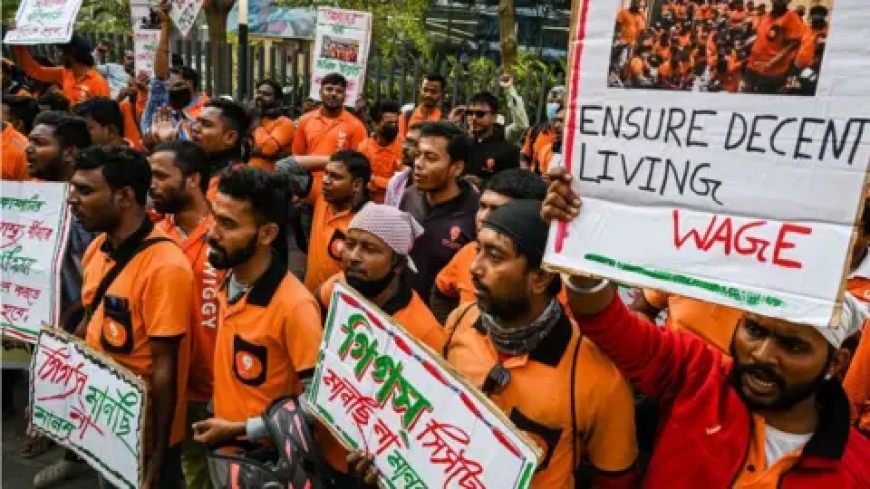
As India prepares to ring in the New Year, thousands of gig workers and delivery partners across the country have gone on a nationwide strike, raising serious concerns about disruptions to food delivery, quick commerce, and e-commerce services on one of the busiest days of the year.
Delivery partners associated with major platforms such as Swiggy, Zomato, Blinkit, Zepto, Amazon, and Flipkart have either logged off their apps or limited work on December 31, protesting what they describe as declining earnings, unsafe working conditions, and lack of social security. The strike is being coordinated by various gig worker unions and collectives operating across multiple states.
Why Gig Workers Are Protesting
At the heart of the protest is dissatisfaction with pay structures. Gig workers claim that incentives have been reduced while workloads and fuel costs continue to rise. Many delivery partners allege that they are forced to work 12–16 hours a day to earn a basic livelihood, often without guaranteed minimum pay.
Another major concern is safety. Workers argue that aggressive delivery timelines—such as 10-minute or ultra-fast delivery promises—put immense pressure on them, increasing the risk of road accidents. Unions have demanded the removal of such delivery models, calling them “dangerous and unrealistic.”
In addition, workers are seeking social security benefits, including health insurance, accident cover, and pension schemes. Despite being the backbone of the app-based delivery economy, gig workers remain classified as “partners” rather than employees, which excludes them from formal labour protections.
Key Demands Raised
The protesting workers have put forward a list of demands, including:
-
A transparent and fair pay system with a fixed per-kilometre rate
-
Guaranteed minimum monthly income
-
Removal of unsafe delivery targets
-
Protection against arbitrary penalties and account deactivations
-
Recognition of gig workers under labour laws with access to social security benefits
Impact on New Year’s Eve Deliveries
The timing of the strike is significant, as New Year’s Eve typically sees a surge in orders for food, groceries, and essentials. Several customers in major cities have already reported delayed deliveries, fewer available delivery partners, and temporary service unavailability.
To counter the impact, some platforms have introduced temporary incentives and surge bonuses to encourage workers to log in. However, unions claim these short-term measures fail to address long-standing structural issues faced by gig workers.
A Growing Movement in the Gig Economy
This is not an isolated protest. Over the past year, gig workers across India have increasingly mobilised to demand better working conditions and regulatory oversight. The current strike highlights growing tensions between platform-based companies and the workforce that sustains them.
Experts believe that unless a clear policy framework is introduced to regulate gig work, such disruptions may become more frequent. The strike has once again brought the debate on the rights of gig workers into sharp focus, especially as India’s app-based delivery economy continues to expand rapidly.
As celebrations continue, the nationwide strike serves as a reminder that behind the convenience of instant deliveries lies a workforce seeking dignity, security, and fair compensation.
What's Your Reaction?
 Like
0
Like
0
 Dislike
0
Dislike
0
 Love
0
Love
0
 Funny
0
Funny
0
 Angry
0
Angry
0
 Sad
0
Sad
0
 Wow
0
Wow
0