























Trump Sues BBC for $10 Billion Over Edited January 6 Speech - Defamation Lawsuit
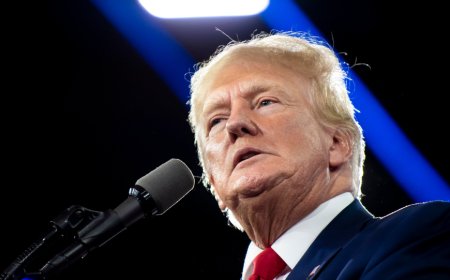
Former U.S. President Donald Trump has filed a $10 billion defamation lawsuit against the BBC, accusing the British broadcaster of misleadingly editing his January 6, 2021, speech to suggest he incited the Capitol attack. The BBC apologized but denies legal liability.

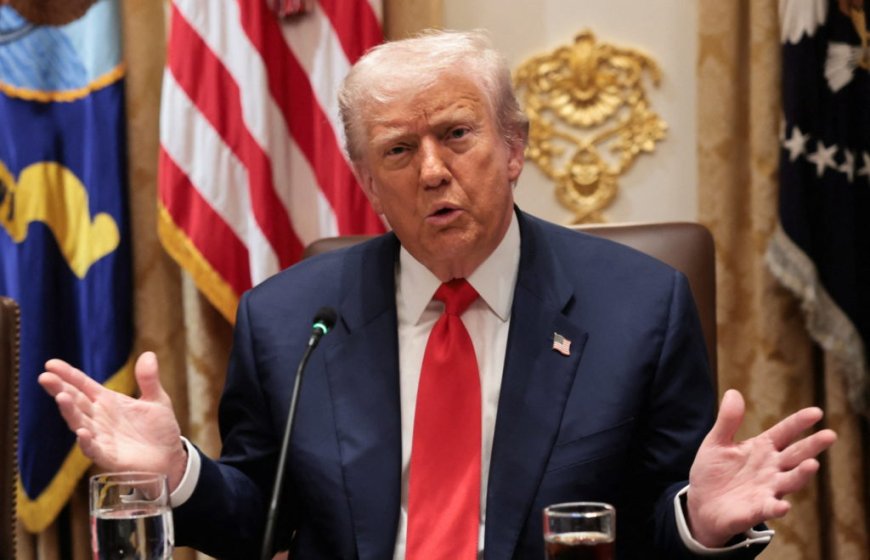
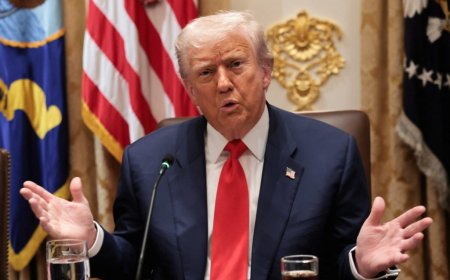
Former U.S. President Donald Trump has filed a high‑stakes $10 billion defamation lawsuit against the British Broadcasting Corporation (BBC), alleging that the public broadcaster deceptively edited his January 6, 2021 speech in a documentary to make it appear as if he directly encouraged supporters to storm the U.S. Capitol, authorities and legal filings show. The lawsuit was lodged in a federal court in Miami, Florida, asserting that the BBC’s actions harmed Trump’s reputation and violated U.S. laws.
The complaint centers on a BBC Panorama documentary titled “Trump: A Second Chance?” which aired in late 2024 just before the U.S. presidential election. Trump’s legal team claims the program “spliced together” parts of his speech from January 6, giving the public a misleading impression of his words by omitting sections where he urged peaceful protest. Lawyers for Trump argue this amounted to a “false, defamatory, deceptive, disparaging, inflammatory, and malicious depiction” of the former president and seek $5 billion for defamation and another $5 billion under Florida’s Deceptive and Unfair Trade Practices Act.
The BBC issued a public apology earlier this year, with chairman Samir Shah describing the editing choice as an “error of judgment” and acknowledging that the broadcast could be misinterpreted. The controversy previously prompted the resignations of senior executives, including the BBC’s director‑general and head of news. However, the broadcaster has denied it defamed Trump and has not offered financial compensation.
Legal experts have noted that Trump faces significant hurdles in a U.S. defamation suit. In American courts, public figures must show actual malice—that the defendant knowingly published false statements or acted with reckless disregard for the truth—a high bar to meet given the BBC’s apology and the complex issues around where and how the documentary was distributed. Critics also point out that the program did not originally air in the U.S., which may complicate claims of reputational harm on American soil.
The lawsuit adds to Trump’s ongoing legal battles with media organizations; in 2025 he sued U.S. outlets including The New York Times and Wall Street Journal over coverage he claimed was defamatory, though some of those cases have faced early dismissals. The BBC case draws international attention not only because of the massive damages sought but also because it pits a former U.S. president against one of the world’s most respected public broadcasters in a clash over journalism, editorial standards and international media influence.
What's Your Reaction?
 Like
0
Like
0
 Dislike
0
Dislike
0
 Love
0
Love
0
 Funny
0
Funny
0
 Angry
0
Angry
0
 Sad
0
Sad
0
 Wow
0
Wow
0