

























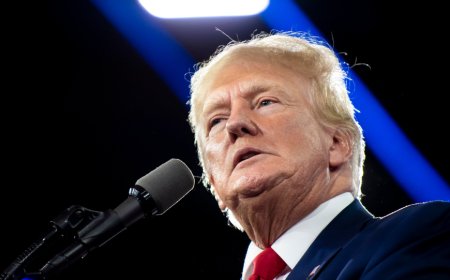









All You Need to Know About the Trump Golden Card
Learn all about the Trump Gold Card: a $1 million U.S. residency program offering a fast-track path for wealthy investors. Explore features, pricing, eligibility, and media reactions.


The Trump Gold Card is a new Visa‑based program introduced by Donald Trump. Under this plan, foreigners (or companies sponsoring foreign workers) pay a high fee in exchange for fast‑track U.S. permanent residency and a pathway toward citizenship. Originally, the price was reportedly US $5 million when first announced. More recently, the program was revised: an individual version costs US $1 million, with companies able to sponsor for US $2 million. Interested applicants also pay an additional processing/“vetting” fee (around US $15,000) for application review. According to official statements, once approved, the Gold Card grants residency rights similar to a traditional “green card.”
News Outlets Emphasize
Different media reports highlight various dimensions of the Gold Card program, from its design and intent to controversy and criticism. Here are the main themes and how they’re covered:
“Fast-track residency for the wealthy”—a lucrative “golden visa” alternative
Outlets like CNBC stress that after price cuts and restructuring, the $1M Gold Card has become “one of the most sought‑after golden visas in the world.” The lower price combined with the promise of quick residency attracts wealthy individuals seeking access to U.S. markets, education, and healthcare.
Replacement of older immigration/investment‑visa rules
The program is presented as a replacement for the longstanding investor‑visa system (commonly known as the EB-5 Immigrant Investor Program), which required investment in businesses plus job creation. The Gold Card simplifies that requirement into a direct payment.
Supporters argue this reform reduces the “fraud and nonsense” critics associate with EB‑5.
Money, market, and government revenue—economic framing
Media coverage notes that the program could generate “billions” for the U.S. Treasury. For example, one report estimates that tens of thousands pre-registered and predicts a large revenue inflow. There is also mention of a premium “Platinum Card” tier—reportedly costing $5 million—with additional perks (e.g., tax benefits, special residency conditions) being speculated by some outlets.
Criticism, controversy, and societal reaction
Some outlets call it “tone-deaf” or “tacky,” pointing to the optics of selling residency to the super-rich while many Americans—or undocumented immigrants—face deportation or restrictive immigration policies. Legal experts and immigration‑policy analysts question whether the administration can bypass existing laws to offer such cards, as traditional visa/immigration pathways often require Congressional approval. There are also concerns that it undermines the principle of merit- or need-based immigration, favoring wealth over skills or humanitarian considerations.
What It Means—Broader Implications
For potential immigrants or global wealthy
The Gold Card presents a pathway for those with substantial means to access U.S. residency—bypassing lengthy visa queues or investment‑plus‑job‑creation requirements. For some, it might open doors to American education, business opportunities, or financial markets.
For U.S. immigration policy and society
The policy signals a shift toward “wealth‑based immigration”: privilege and residency in exchange for money, rather than traditional immigration criteria (skills, family ties, humanitarian grounds). This may deepen debates around fairness, inequality, and the role of money in accessing national benefits.
For U.S. economy and governance
Proponents claim it could bring in significant revenue and attract global talent or investment. Critics warn of potential ethical issues, misuse, inequality, and undermining of immigration integrity if not regulated properly
The Gold Card is not a single story—it’s many stories depending on which values (money, fairness, immigration law, social equity) a news outlet emphasizes.
What's Your Reaction?
 Like
0
Like
0
 Dislike
0
Dislike
0
 Love
0
Love
0
 Funny
0
Funny
0
 Angry
0
Angry
0
 Sad
0
Sad
0
 Wow
0
Wow
0