































Dragon in the Americas: How China Is Redrawing Latin America’s Power Map
China is rapidly expanding its influence in Latin America through trade, infrastructure, and diplomacy, challenging long-standing U.S. dominance in the region.

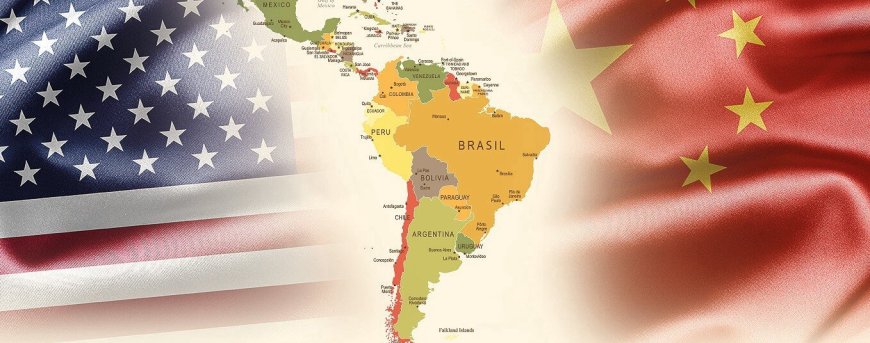
China’s expanding footprint in Latin America is no longer a quiet economic courtship—it is a bold geopolitical statement. As U.S.–China rivalry intensifies, Latin America has emerged as a critical arena where Beijing is challenging Washington’s long-standing influence through trade, infrastructure, diplomacy, and soft power.
Over the past two decades, China has transformed itself into one of Latin America’s most important economic partners. It is now a top trading partner for countries such as Brazil, Chile, and Peru, importing massive quantities of soybeans, copper, oil, and lithium to fuel its industrial engine. In return, Chinese companies export manufactured goods and invest heavily in local industries, reshaping economic ties that were once dominated by the United States.
But trade is only one piece of the puzzle. Infrastructure has become China’s most powerful lever. Through the Belt and Road Initiative (BRI), Beijing has financed ports, highways, railways, and energy projects across the region. From modernized ports in the Caribbean to hydropower dams in South America, these projects promise development and connectivity—while also binding recipient nations closer to China through long-term debt and strategic dependence.
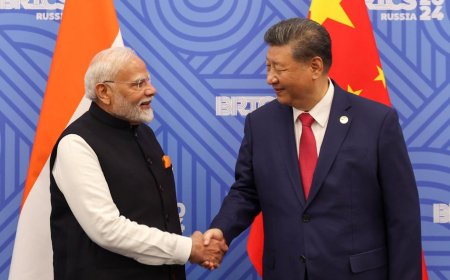
Diplomatically, China has been steadily winning allies. Several Latin American countries have switched diplomatic recognition from Taiwan to Beijing in recent years, a symbolic yet significant victory for China’s global agenda. High-level visits, regional forums, and vaccine diplomacy during the COVID-19 pandemic have further strengthened Beijing’s image as a reliable partner, especially at times when U.S. engagement appeared inconsistent.
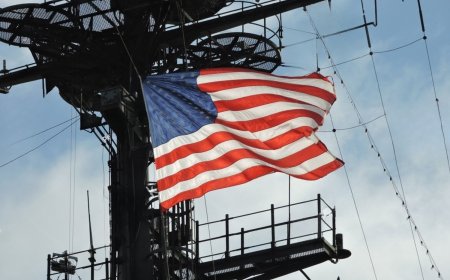
For Washington, China’s advance raises red flags. The United States has historically viewed Latin America as a strategic backyard, and China’s growing presence challenges that assumption. U.S. officials warn that Chinese investments may lack transparency, undermine democratic governance, and create security risks—particularly when it comes to telecommunications, ports, and space facilities. Concerns over technology transfers and potential dual-use infrastructure have become central to U.S. policy debates.
Latin American nations, however, do not see the situation as a simple choice between two superpowers. Many governments are pursuing a pragmatic balancing act, leveraging competition between China and the United States to secure better trade deals, financing, and political autonomy. For countries facing development gaps and limited access to Western capital, Chinese investment can be difficult to refuse.
Yet the relationship is not without friction. Environmental damage, labor disputes, and debt sustainability have sparked local protests and policy reassessments. Some governments are becoming more cautious, renegotiating contracts or tightening regulations on foreign investment. These tensions suggest that China’s influence, while expanding, is not uncontested or guaranteed.
As global power shifts continue, Latin America is no longer a passive observer. The region has become an active player in a high-stakes geopolitical contest, navigating opportunities and risks presented by both Beijing and Washington. Whether China’s rise ultimately empowers Latin America or entangles it in new forms of dependency will depend on how skillfully regional leaders manage this evolving rivalry.
One thing is clear: the dragon has landed in the Americas—and the struggle for influence is only heating up.
What's Your Reaction?
 Like
0
Like
0
 Dislike
0
Dislike
0
 Love
0
Love
0
 Funny
0
Funny
0
 Angry
0
Angry
0
 Sad
0
Sad
0
 Wow
0
Wow
0