






























WHO Sounds Global Alarm as Ebola Outbreak in Congo and Uganda Triggers International Health Emergency
The World Health Organization (WHO) has declared the Ebola outbreak affecting parts of Congo and Uganda a Public Health Emergency of International Concern (PHEIC). Health authorities are racing to contain the spread as cases rise across border regions, prompting heightened surveillance, emergency response measures, and international coordination.

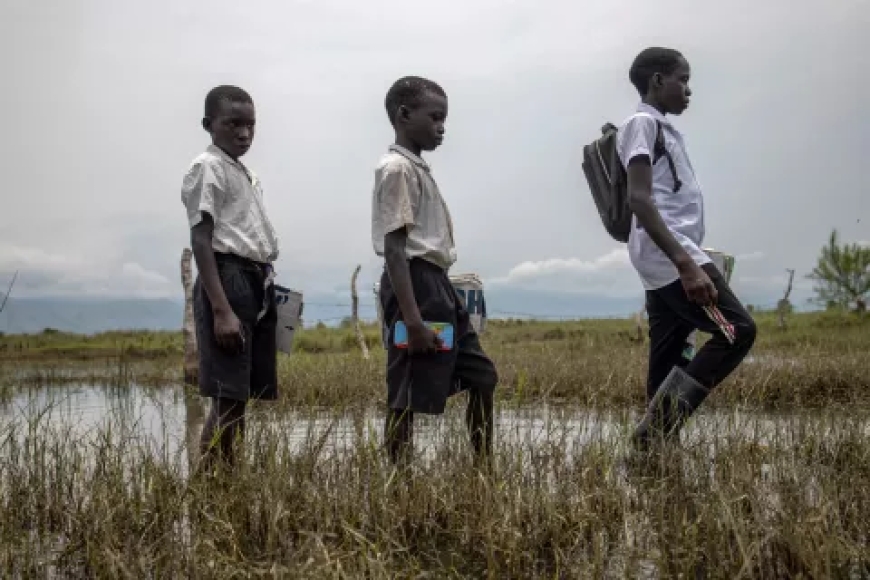
The World Health Organization (WHO) has officially declared the ongoing Ebola outbreak in the Democratic Republic of Congo and neighboring Uganda a Public Health Emergency of International Concern (PHEIC), raising global concern over the rapid spread of the deadly virus across regional borders.
The declaration comes after health officials reported a sharp increase in confirmed Ebola infections and suspected cases in several districts near the Congo-Uganda border. Authorities fear that cross-border movement, densely populated communities, and limited healthcare infrastructure could accelerate transmission if urgent containment measures are not implemented.
According to WHO officials, emergency response teams have been deployed to affected areas to strengthen surveillance, isolation facilities, contact tracing, and vaccination drives. Medical experts are also working to ensure that frontline healthcare workers receive protective equipment and specialized training to handle Ebola patients safely.
The Ebola virus is known for causing severe hemorrhagic fever and has a fatality rate that can range from 25% to 90%, depending on the outbreak and available medical response. Symptoms typically include high fever, weakness, vomiting, internal bleeding, and severe dehydration. The virus spreads through direct contact with bodily fluids of infected individuals or contaminated materials.
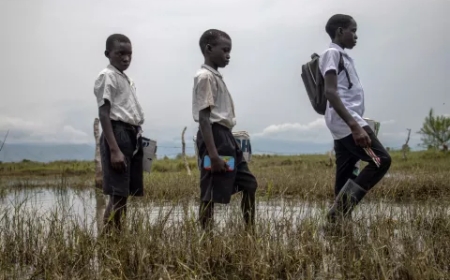
Ugandan authorities have intensified border screenings and public awareness campaigns after multiple suspected cross-border transmissions were detected. Schools, transportation hubs, and local health centers in vulnerable regions have been placed under strict monitoring as officials attempt to prevent wider community spread.
WHO Director-General officials stressed that the emergency declaration is aimed at mobilizing international funding, accelerating vaccine distribution, and improving coordination among African and global health agencies. Experts warn that delayed intervention could increase the risk of regional instability and wider international exposure.
The outbreak has reignited concerns about global pandemic preparedness, particularly after the lessons learned during the COVID-19 crisis. Public health specialists are urging governments to avoid panic while ensuring rapid response systems remain active and transparent.
Humanitarian organizations have also expressed concern over healthcare challenges in conflict-affected regions of eastern Congo, where armed violence and displacement continue to complicate medical access. Aid groups say insecurity in remote areas could slow testing and treatment efforts, making containment more difficult.
Meanwhile, researchers are closely monitoring the virus strain involved in the outbreak to determine whether mutations or transmission patterns differ from previous Ebola waves. Scientists emphasize that early detection and community cooperation remain the most effective tools for controlling the disease.
Global health agencies are expected to hold emergency meetings over the coming days to assess additional travel advisories, medical aid packages, and long-term containment strategies. WHO has urged countries worldwide to strengthen preparedness without imposing unnecessary travel or trade restrictions.
What's Your Reaction?
 Like
0
Like
0
 Dislike
0
Dislike
0
 Love
0
Love
0
 Funny
0
Funny
0
 Angry
0
Angry
0
 Sad
0
Sad
0
 Wow
0
Wow
0