




























Pakistan Weather System Linked to Unusual Storm-Rain Pattern Across Delhi-NCR
An unusual combination of dust storms, strong winds and heavy rainfall across Delhi-NCR has been linked to a cyclonic circulation over neighbouring Pakistan, according to meteorologists. The weather system is drawing moisture from the Arabian Sea and interacting with regional atmospheric conditions, creating volatile weather patterns across northern India.

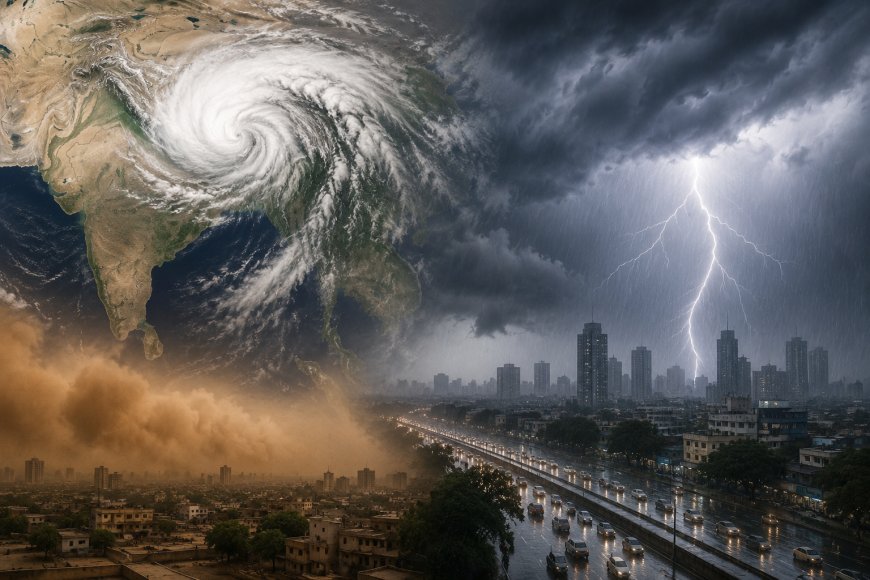
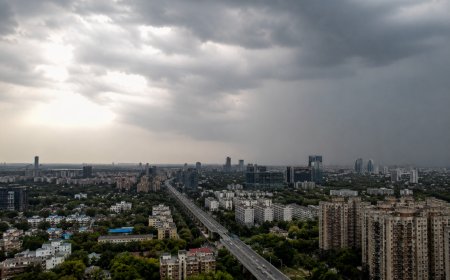
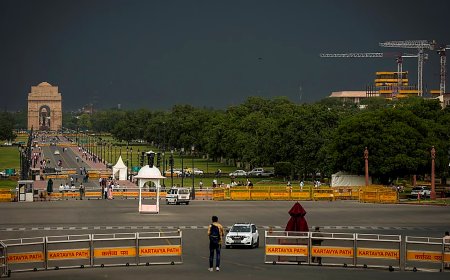
Residents of Delhi-NCR have witnessed an unusual combination of dust storms, strong winds, thunderstorms and heavy rainfall in recent days, prompting questions about the cause of the sudden weather instability. According to meteorologists, a cyclonic circulation over neighbouring Pakistan has played a significant role in triggering the extreme weather conditions being experienced across northern India.
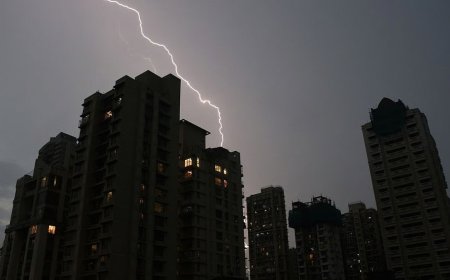
Weather experts explain that the cyclonic circulation developed over parts of southern and central Pakistan before strengthening and drawing large amounts of moisture from the Arabian Sea. As this moisture-laden air moved towards northwestern India, it interacted with intense surface heat, western disturbances and local wind patterns over Delhi-NCR. The result was a volatile atmospheric environment capable of producing severe thunderstorms, dust storms, lightning activity and heavy rainfall within a short period of time.
The phenomenon highlights how weather systems often transcend national boundaries. Although the circulation originated over Pakistan, its influence extended across several Indian states, including Rajasthan, Haryana, Punjab and the National Capital Region. Meteorologists note that such cross-border weather interactions are common in South Asia, where regional atmospheric systems can affect weather conditions over vast geographical areas.
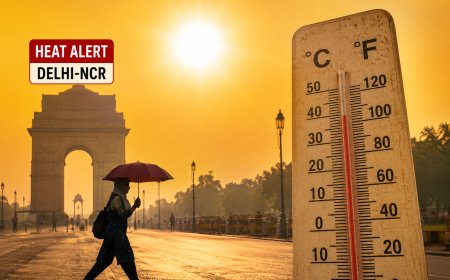
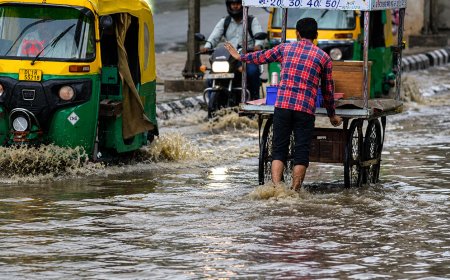
The impact on Delhi-NCR has been significant. Strong winds uprooted trees, disrupted traffic and caused temporary power outages in some areas. Heavy rainfall provided relief from intense summer temperatures but also led to waterlogging in low-lying neighbourhoods and delays in transportation services. The sudden shifts between dust storms and downpours created challenging conditions for residents and emergency authorities alike.
The India Meteorological Department (IMD) has indicated that the interaction between the cyclonic circulation and incoming western disturbances may continue to influence weather patterns across northern India over the coming days. Forecasters have warned of the possibility of further thunderstorms, gusty winds and intermittent rainfall, urging residents to remain alert and follow weather advisories.
Climate specialists also point out that extreme weather events are becoming increasingly frequent across South Asia. While individual weather systems such as cyclonic circulations are natural phenomena, rising temperatures and changing climate patterns can intensify rainfall events and atmospheric instability, making storms more severe than in previous decades.
For now, the Pakistan-based cyclonic circulation remains one of the key factors behind Delhi-NCR's unusual weather pattern. As meteorologists continue to monitor the system, residents across northern India are being advised to prepare for rapidly changing weather conditions that could persist throughout the week.
What's Your Reaction?
 Like
0
Like
0
 Dislike
0
Dislike
0
 Love
0
Love
0
 Funny
0
Funny
0
 Angry
0
Angry
0
 Sad
0
Sad
0
 Wow
0
Wow
0