






























China Braces for a Year of Extreme Weather as Scientists Warn of Catastrophic Storms in 2026
Scientists have warned that China could face one of its most destructive storm seasons in years, with stronger typhoons, record-breaking rainfall, and widespread flooding expected in 2026. Experts say climate change and evolving weather patterns could severely test the country's disaster preparedness and infrastructure.

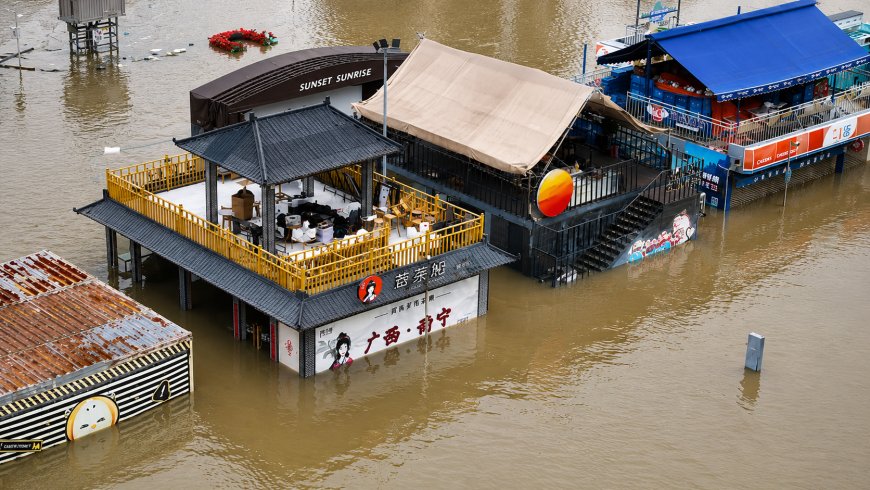
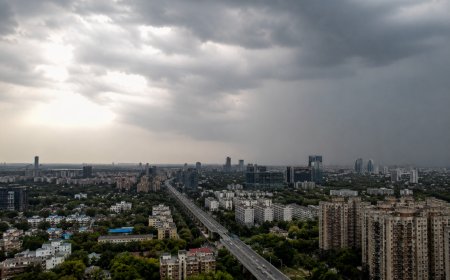
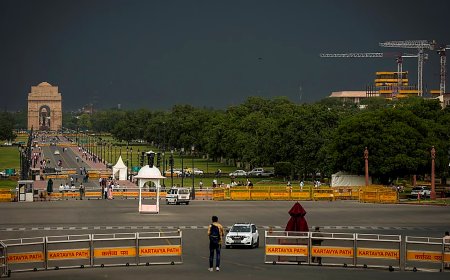
China is preparing for what experts fear could become one of the most challenging weather seasons in recent history, as scientists warn that 2026 may bring catastrophic storms capable of causing widespread destruction across the country. Climate researchers have cautioned that a combination of warmer ocean temperatures, changing atmospheric conditions, and the growing influence of climate change is expected to fuel stronger typhoons, heavier rainfall, and more frequent flash floods.
According to meteorological experts, China is likely to witness above-average tropical cyclone activity in the western Pacific during the peak storm season. Several powerful typhoons are expected to make landfall, threatening millions of residents in densely populated coastal provinces while increasing the risk of flooding, landslides, and infrastructure damage.
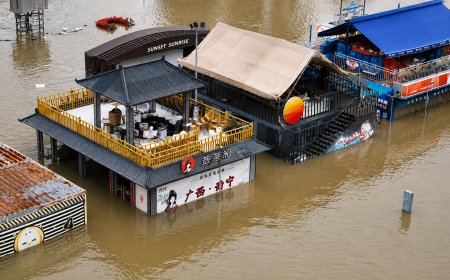
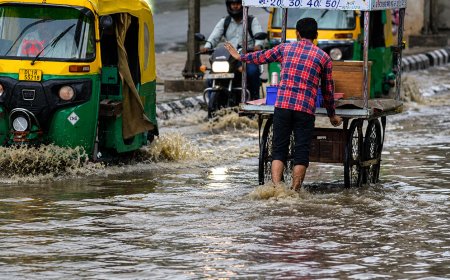
The warning comes after successive years of extreme weather events that have exposed vulnerabilities in China's flood-control systems. Torrential rains have repeatedly inundated major cities, damaged transport networks, disrupted power supplies, and forced large-scale evacuations. Scientists believe that the frequency and intensity of these events are increasing due to global warming, which allows the atmosphere to hold more moisture and produce heavier rainfall.
Experts also warn that inland provinces may face severe flooding as rivers swell beyond their capacity and reservoirs come under immense pressure. Mountainous regions remain particularly vulnerable to landslides and mudslides, while low-lying urban centres could experience prolonged waterlogging, threatening homes, businesses, and critical infrastructure.
Agriculture is expected to be among the worst-hit sectors if extreme weather persists throughout the season. Heavy rainfall and flooding could damage crops, delay harvests, and disrupt food supply chains, while powerful winds from typhoons may destroy farmland and rural infrastructure. Economists believe that repeated climate disasters could place additional pressure on China's economy, affecting manufacturing, logistics, insurance, and consumer markets.
Authorities have already strengthened emergency response mechanisms by upgrading flood-control systems, improving early-warning technology, and increasing disaster preparedness across vulnerable regions. Emergency management agencies are coordinating with local governments to ensure faster evacuations and improve rescue capabilities ahead of the peak typhoon season.
Climate scientists stress that the 2026 storm season is another reminder of the growing impact of climate change on extreme weather worldwide. Rising sea surface temperatures continue to provide additional energy for tropical storms, increasing the likelihood of stronger cyclones and more intense rainfall events.
With millions of people living in flood-prone regions and key industrial hubs located along China's eastern coastline, the coming months will be a crucial test of the country's resilience against increasingly unpredictable weather. Experts say the effectiveness of preparedness measures and rapid emergency response will determine how successfully China can minimise the human and economic cost of the expected storms.
What's Your Reaction?
 Like
0
Like
0
 Dislike
0
Dislike
0
 Love
0
Love
0
 Funny
0
Funny
0
 Angry
0
Angry
0
 Sad
0
Sad
0
 Wow
0
Wow
0