
























Parliamentary Panel to Review NTA Reforms and NEET Lessons on July 1
A Parliamentary Standing Committee will meet on July 1 to review reforms in the National Testing Agency (NTA), assess lessons from the recent NEET examination, and discuss the growing role of Artificial Intelligence in India's education system. The meeting is expected to influence future examination policies and higher education reforms.

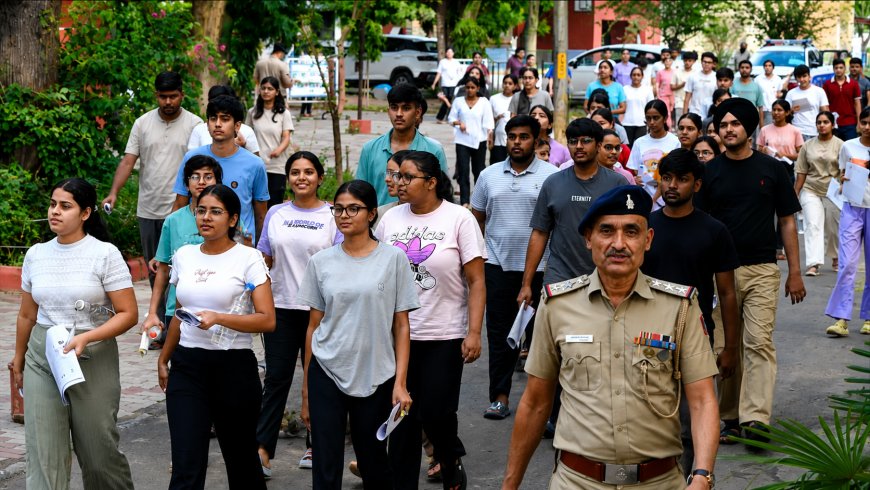
India's examination system will come under close scrutiny on July 1 as the Parliamentary Standing Committee on Education, Women, Children, Youth and Sports convenes to review reforms proposed for the National Testing Agency (NTA). The meeting is expected to address key issues surrounding national entrance examinations, examine lessons learned from recent controversies, and explore the role of Artificial Intelligence (AI) in the country's education sector.
The session comes at a crucial time for India's higher education system, with concerns over examination integrity, transparency, and efficiency continuing to dominate public debate. Members of Parliament are expected to seek detailed updates on the government's efforts to strengthen the country's centralized testing mechanism and restore confidence among students and parents.
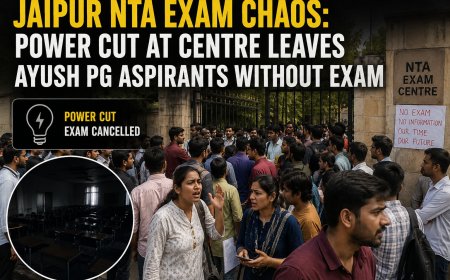
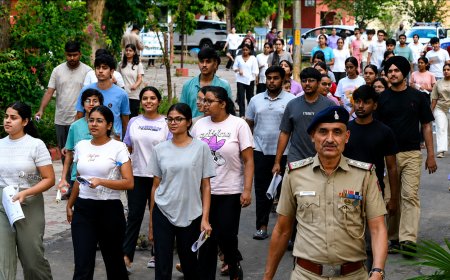
One of the primary agenda items will be a review of the recent NEET examination process and the steps taken by authorities to improve fairness and security. The committee is likely to examine whether corrective measures introduced after previous challenges have been effectively implemented and what additional safeguards may be required to prevent future irregularities.
Senior officials from the Ministry of Education and the National Testing Agency are expected to brief the committee on ongoing institutional reforms. Discussions may include improvements in examination security, digital monitoring systems, candidate verification procedures, and technological upgrades aimed at ensuring transparent and error-free examinations.
The committee is also expected to assess the progress made in implementing recommendations submitted by the expert panel led by former ISRO Chairman Dr. K. Radhakrishnan. The panel had proposed several structural and technological reforms to improve the functioning of the NTA and strengthen the credibility of national-level entrance examinations.
Another important topic on the agenda is the growing influence of Artificial Intelligence in education. Lawmakers are expected to discuss how AI can improve learning outcomes, modernize examination systems, and enhance students' employability. The meeting may also explore the need for ethical guidelines and responsible use of AI technologies in classrooms, assessments, and educational administration.
Education experts believe the committee's recommendations could play an important role in shaping the future of India's examination framework. With millions of students appearing for competitive entrance exams every year, policymakers are increasingly focused on creating a system that is secure, transparent, technologically advanced, and trusted by all stakeholders.
The review is also expected to consider long-term reforms beyond examination management, including digital infrastructure, data security, student grievance redressal mechanisms, and coordination between educational institutions and testing agencies.
The outcome of the July 1 meeting could influence future policy decisions and accelerate reforms designed to make India's examination ecosystem more reliable, student-friendly, and globally competitive. As education continues to evolve alongside technological advancements, the committee's discussions are likely to provide valuable direction for the country's higher education landscape.
What's Your Reaction?
 Like
0
Like
0
 Dislike
0
Dislike
0
 Love
0
Love
0
 Funny
0
Funny
0
 Angry
0
Angry
0
 Sad
0
Sad
0
 Wow
0
Wow
0