





























US-Iran Tensions Escalate Again: Iran Warns America, How Big Is the Threat to India?
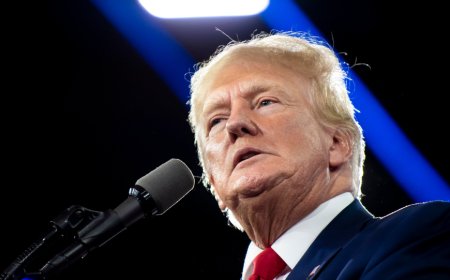
The US and Iran are once again facing a dangerous military confrontation after fresh American strikes on Iran. Tehran has warned that the US will “regret” the attacks, while President Donald Trump has issued a strong warning against further retaliation. Rising tensions around the Strait of Hormuz have also pushed crude oil prices higher, raising concerns for India’s economy, fuel prices, and inflation.

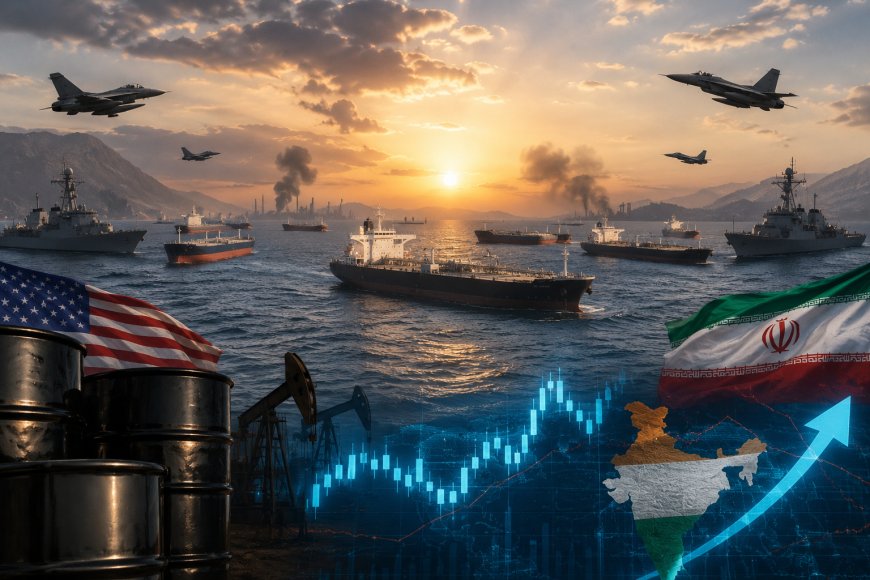
Tensions between the United States and Iran have erupted again, raising fresh concerns about a wider Middle East conflict and its impact on the global economy.
The latest escalation came after the United States carried out fresh strikes against targets in Iran. The US Central Command said the attacks followed alleged attempts by Iran’s Islamic Revolutionary Guard Corps (IRGC) to target commercial shipping in the Strait of Hormuz and US forces in the region.
Iran has strongly condemned the attacks and warned that the United States could face serious consequences. Iranian officials have said that Washington will regret the latest strikes and that those responsible will be punished.
Why Have the US and Iran Clashed Again?
The latest confrontation follows a series of military actions around the strategically important Strait of Hormuz.
Earlier, the US military targeted Iranian rocket launchers near Larak Island, close to the Strait of Hormuz. Iran subsequently launched missiles and drones toward a US military facility in Jordan.
US President Donald Trump defended the American action, claiming that Iran was attempting to place sea mines in the Strait of Hormuz. Iran has rejected such allegations.
The renewed military confrontation comes after roughly a month of relative calm between the two sides, making the latest escalation particularly significant for global markets.
Strait of Hormuz: Why Is It So Important?
The Strait of Hormuz is one of the world's most strategically important energy chokepoints. It connects the Persian Gulf with the Gulf of Oman and the Arabian Sea.
A huge share of global oil and gas shipments passes through the narrow waterway every day. Any prolonged disruption could therefore have consequences far beyond the Middle East.
For countries heavily dependent on imported energy, even a temporary disruption could lead to higher transportation and energy costs.
Crude Oil Prices Surge
The renewed US-Iran confrontation has immediately affected global oil markets.
Brent crude prices moved sharply higher as traders assessed the possibility of disruptions to oil supplies from the Middle East. During the latest trading session, Brent crossed the $92-per-barrel level and moved toward the $94–95 range.
A prolonged crisis around the Strait of Hormuz could push prices even higher if global traders begin to fear a significant reduction in oil shipments.
How Could India Be Affected?
The crisis is particularly important for India, which depends heavily on imported crude oil to meet its energy requirements.
If international crude prices remain elevated, India could face a higher import bill. That can put pressure on the rupee, inflation, government finances, and the broader economy.
Higher crude prices can also increase the operating costs of oil marketing companies, transport companies, and industries.
Petrol and Diesel Prices Could Come Under Pressure
One of the most direct concerns for ordinary Indians is the potential impact on petrol and diesel prices.
When crude oil becomes significantly more expensive internationally, the cost of producing and importing petroleum products can rise. If higher crude prices persist, domestic fuel prices could eventually come under pressure.
More expensive diesel can also increase transportation and logistics costs. This can have a wider impact on the prices of vegetables, fruits, milk, groceries, and other everyday products.
LPG, LNG, and Inflation Risk
The impact could extend beyond petrol and diesel.
Higher global energy prices can increase costs across industries and put additional pressure on LPG, LNG, and other energy-intensive sectors.
If the crisis continues for a prolonged period, India could face another challenge: higher energy costs feeding into broader inflation.
Pressure on the Rupee and Stock Market
A sustained rise in crude prices could also affect India's financial markets.
Higher oil prices mean India may have to spend more dollars on energy imports, potentially increasing pressure on the Indian rupee.
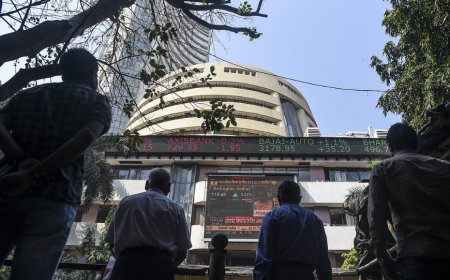
At the same time, higher input and transportation costs could weigh on companies and investor sentiment, creating volatility in the stock market.
The Big Question for India
The key question now is whether the US-Iran confrontation remains limited or develops into a wider regional conflict.
If the Strait of Hormuz remains open and oil shipments continue normally, the impact could remain manageable. But a prolonged disruption could create a much bigger global energy shock.
For India, the situation will therefore be closely watched not only from a geopolitical and security perspective but also because of its potential impact on crude oil prices, fuel costs, inflation, the rupee, and the wider economy.
What's Your Reaction?
 Like
0
Like
0
 Dislike
0
Dislike
0
 Love
0
Love
0
 Funny
0
Funny
0
 Angry
0
Angry
0
 Sad
0
Sad
0
 Wow
0
Wow
0