

































US Judge Voids Donald Trump's $1.8 Billion IRS Settlement That Proposed Tax Audit Immunity
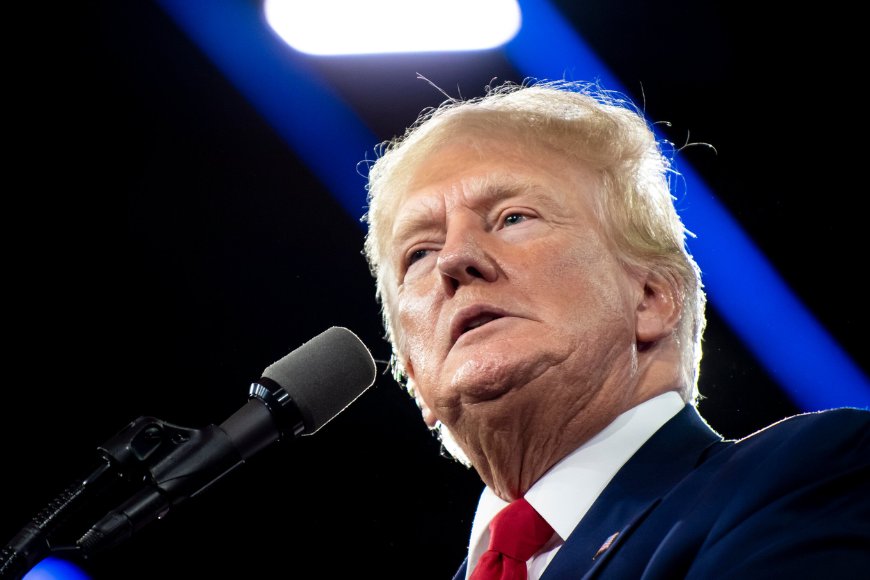
A US federal judge has voided a controversial $1.8 billion settlement between President Donald Trump and the Internal Revenue Service (IRS), ruling that the agreement improperly sought to shield Trump from future tax audits. The decision revives legal scrutiny over the tax dispute and raises fresh questions about the limits of settlement agreements involving federal agencies.

US Judge Voids Donald Trump's $1.8 Billion IRS Settlement That Proposed Tax Audit Immunity
US President Donald Trump has suffered a significant legal setback after a federal judge struck down a controversial $1.8 billion settlement agreement between Trump and the Internal Revenue Service (IRS). The court ruled that the agreement, which reportedly included provisions limiting future IRS tax audits involving Trump, could not stand under federal law and public policy.
The ruling marks one of the most closely watched legal developments involving the US President's financial affairs. Legal experts believe the decision could reopen important questions surrounding tax enforcement, government accountability, and the authority of federal agencies to negotiate settlements that extend beyond existing legal frameworks.
According to court documents, the dispute originated from a long-running disagreement between Trump and the IRS concerning tax liabilities and financial claims. To resolve the litigation, both sides negotiated a settlement reportedly valued at approximately $1.8 billion. However, the proposed agreement contained provisions that critics argued would effectively prevent or significantly restrict future IRS audits related to Trump.
The judge concluded that such protections exceeded the lawful scope of a settlement agreement. In the written order, the court emphasized that no settlement should interfere with the statutory authority of the IRS to conduct tax audits when required under federal law. The ruling stated that federal agencies cannot permanently surrender powers granted to them by Congress through private legal agreements.
The decision has attracted widespread attention because it touches on the broader principle that all taxpayers, regardless of public office or political influence, remain subject to the same legal standards. While settlement agreements are common in tax disputes, legal analysts note that they cannot eliminate future regulatory oversight or prevent government agencies from carrying out their legal responsibilities.
Trump's legal team expressed disappointment with the ruling and indicated that they are reviewing legal options, including a possible appeal. According to attorneys representing Trump, the settlement was negotiated in good faith and was intended to resolve years of complex litigation involving multiple tax issues. They argue that the agreement provided certainty for both parties while avoiding prolonged legal battles.
The IRS has not issued extensive public comments regarding the court's decision but is expected to review the ruling before determining its next legal steps. The agency could either resume litigation or attempt to negotiate a revised settlement that complies with the court's legal findings.
Tax law specialists say the ruling may influence how future settlements are negotiated between federal agencies and taxpayers. They note that while financial disputes can often be resolved through negotiated agreements, provisions that appear to limit future regulatory authority are likely to face close judicial scrutiny.
The case has also generated political reactions across Washington. Supporters of Trump argue that the ruling represents another example of politically motivated legal action targeting the President. Critics, however, contend that the decision reinforces the principle that no individual should receive special treatment under federal tax law.
Financial experts believe the ruling is unlikely to have an immediate impact on US financial markets, but it could prolong uncertainty surrounding one of Trump's most significant legal disputes. Investors and political observers are expected to monitor whether an appeal is filed and how the IRS responds in the coming weeks.
The judgment does not determine whether Trump violated tax laws or owes additional taxes. Instead, it focuses exclusively on the legality of the settlement agreement itself. Any questions regarding tax liability, penalties, or future audits will continue to be addressed through the appropriate legal and administrative processes.
Constitutional scholars have described the ruling as an important reminder of judicial oversight over executive agencies. They argue that courts play a critical role in ensuring that settlements entered into by government institutions remain consistent with statutory authority and the broader public interest.
The case is expected to remain under close public and legal scrutiny as additional proceedings unfold. If appealed, higher federal courts may ultimately determine the legal boundaries governing settlement agreements involving the IRS and other federal agencies.
For now, the federal judge's ruling effectively cancels the proposed settlement, returning the dispute to the legal process. The outcome reinforces the longstanding principle that settlement agreements cannot override federal law or permanently shield individuals from future regulatory review.
What's Your Reaction?
 Like
0
Like
0
 Dislike
0
Dislike
0
 Love
0
Love
0
 Funny
0
Funny
0
 Angry
0
Angry
0
 Sad
0
Sad
0
 Wow
0
Wow
0