
































“Ajanta and Ellora Caves: Timeless Masterpieces of Indian Rock-Cut Architecture”
Explore the history, art, and architecture of the Ajanta and Ellora Caves in Maharashtra. Discover Buddhist, Hindu, and Jain rock-cut temples, frescoes, and monolithic carvings.

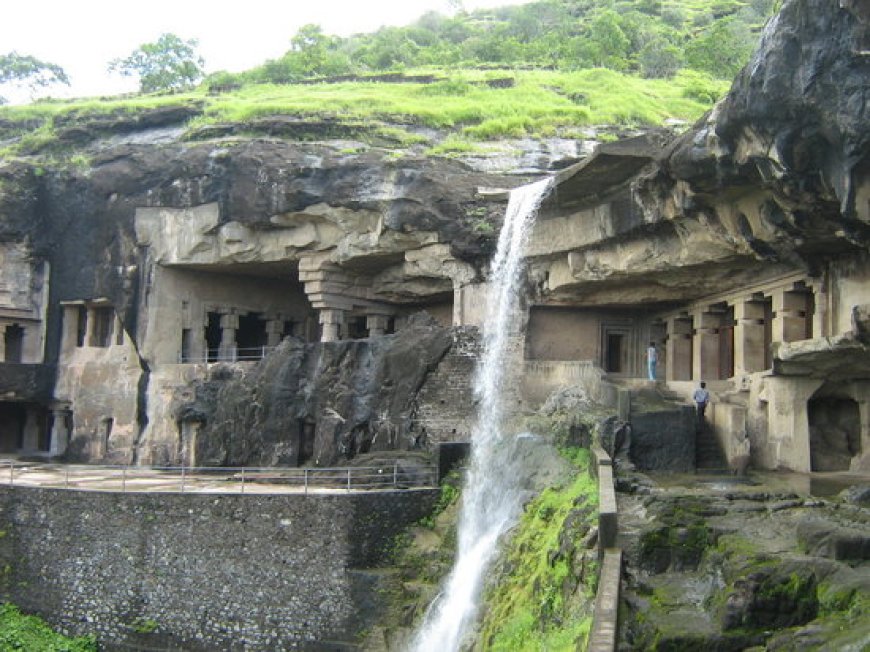
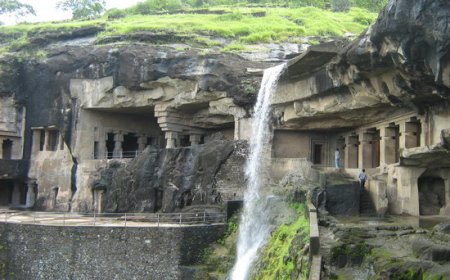
The Ajanta and Ellora Caves, located in Maharashtra, India, are among the most spectacular examples of ancient Indian rock-cut architecture and artistry. Carved into cliffs of the Sahyadri Hills, these caves serve as a testament to India’s rich cultural, religious, and artistic heritage, attracting scholars, pilgrims, and tourists from around the world.
Ajanta Caves: A Buddhist Marvel
Location: Near Aurangabad, Maharashtra
Period: 2nd century BCE to 480 CE
Number of Caves: 30 rock-cut caves
The Ajanta Caves are Buddhist monasteries and worship halls (viharas and chaityas) built in two distinct phases. The first phase, dating back to the 2nd century BCE, features simple rock-cut shelters with early Buddhist architectural elements. The second phase, around the 5th century CE, showcases intricate sculptures, fresco paintings, and elaborate chaitya halls.
Key Features:
-
Chaitya Halls: These are prayer halls with stupa at the end. The halls have vaulted ceilings and carved pillars with ornate motifs.
-
Viharas: Residential and educational spaces for monks, often with central courtyards and cells carved into the rock.
-
Frescoes: Ajanta is famous for its mural paintings depicting Buddha’s Jataka tales, scenes from daily life, and royal courts. The murals are notable for their vivid colors, detailed expressions, and naturalistic forms.
-
Sculptures: Carvings of Buddha and Bodhisattvas in meditative poses or teaching gestures adorn walls and pillars, reflecting Gandharan and Amaravati influences.
The caves served both as monastic retreats and as centers of learning, preserving a treasure trove of Buddhist art and philosophy.
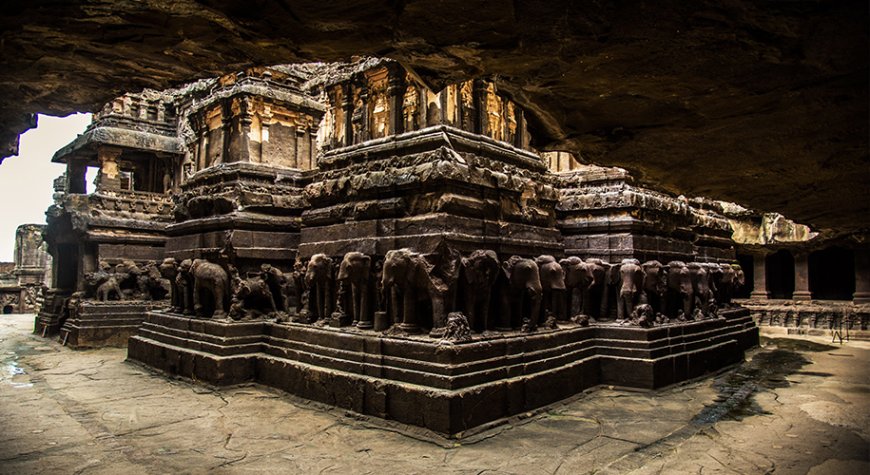
A Religious Harmony
Location: Near Aurangabad, Maharashtra
Period: 5th to 10th century CE
Number of Caves: 34 rock-cut caves
Unlike Ajanta, which is exclusively Buddhist, Ellora Caves represent the religious diversity of ancient India. The caves are divided into three groups:
-
Buddhist Caves (1–12): Featuring viharas and chaitya halls similar to Ajanta, with elaborate sculptures and carvings.
-
Hindu Caves (13–29): These caves, particularly Kailasa Temple (Cave 16), showcase magnificent monolithic rock-cut architecture, depicting Hindu gods like Shiva, Vishnu, and Durga. Kailasa Temple is carved out of a single rock and represents a mountain devoted to Lord Shiva, with intricate carvings, sculpted pillars, and ceremonial courtyards.
-
Jain Caves (30–34): Reflecting Jain principles, these caves feature ornate sculptures, serene idols, and minimalist architectural elegance.
Key Features:
-
Rock-Cut Architecture: The Ellora caves demonstrate advanced excavation techniques, with interiors carved out of basalt rock using chisels, hammers, and precision tools.
-
Sculptural Brilliance: Figures of deities, celestial beings, and mythological episodes are carved in high relief, with attention to anatomy, proportion, and ornamentation.
-
Religious Syncretism: The proximity of Buddhist, Hindu, and Jain caves highlights tolerance and cultural integration in medieval India.
Architectural Significance
-
Ajanta: Focuses on interior artistic expression, with murals and sculptures narrating Buddhist philosophies and stories.
-
Ellora: Emphasizes monumental structural design, especially in Kailasa Temple, which is considered one of the largest monolithic rock-cut temples in the world.
Both sites demonstrate ingenious rock-cut engineering, including water drainage systems, ventilation, and planning for monastic life.
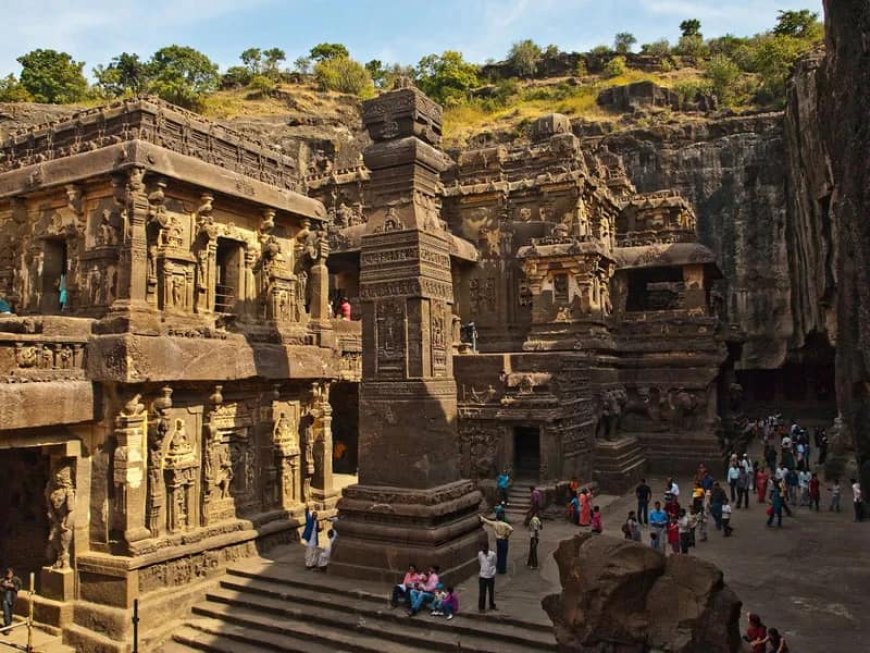
UNESCO World Heritage Status
-
Ajanta: Designated in 1983
-
Ellora: Designated in 1983
The recognition underscores their universal value as masterpieces of human creativity, reflecting religious devotion, artistry, and technological excellence.
These caves are major tourist destinations in Maharashtra. Preservation efforts focus on controlling humidity, preventing erosion, and maintaining the integrity of murals. Visitors are often restricted from touching surfaces to protect ancient paintings from damage.
The Ajanta and Ellora Caves are not just archaeological sites but living monuments of India’s spiritual, artistic, and engineering heritage. They capture the synthesis of religion, art, and technology, reminding the world of the rich cultural legacy of ancient India.
What's Your Reaction?
 Like
0
Like
0
 Dislike
0
Dislike
0
 Love
0
Love
0
 Funny
0
Funny
0
 Angry
0
Angry
0
 Sad
0
Sad
0
 Wow
0
Wow
0