

































“Record Trade Surplus Highlights China’s Dominance in Global Markets”
China’s trade surplus surpasses US $1 trillion for the first time ever in 2025, highlighting a surge in exports to global markets even as U.S. demand falls

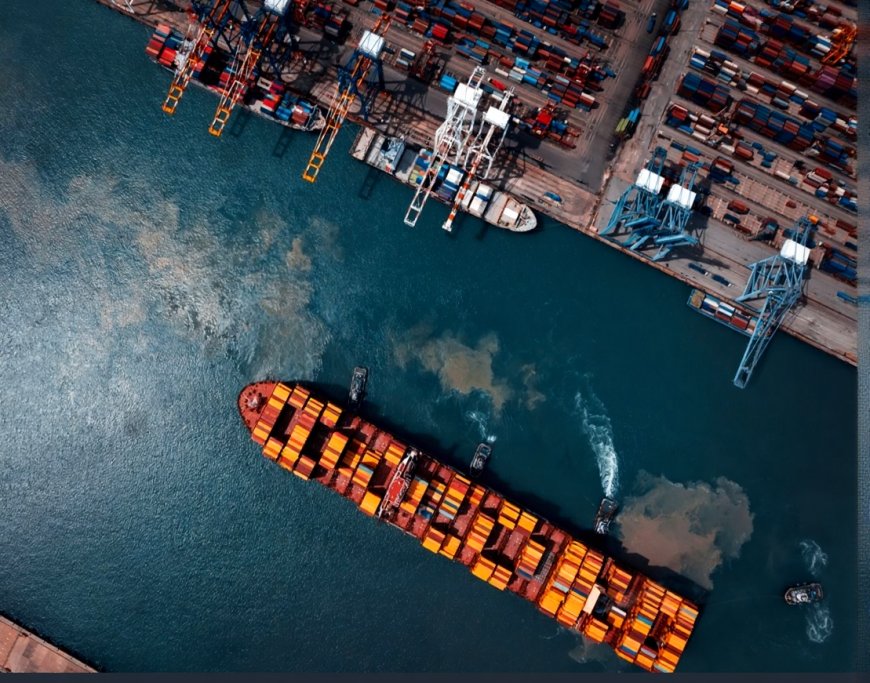
China’s trade surplus has surpassed the landmark US $1 trillion mark for the first time ever, underscoring the country’s dominance in global trade despite shifting demand patterns and mounting protectionist pressure from developed economies.
According to the latest data from China’s customs authorities, the accumulated surplus for the first 11 months of 2025 reached approximately US $1.08 trillion
Exports in November rebounded—rising 5.9% year-on-year—reversing a drop from the previous month. Imports grew only modestly (about 1.9%), widening the gap between exports and imports and contributing to the massive surplus.
What’s Driving the Surplus
-
Export diversification beyond the U.S.—While shipments to the U.S. dropped sharply (nearly 29% year-on-year in November), exports to other regions such as the European Union, Southeast Asia, Latin America, and Africa surged. Weak domestic demand—With China’s internal consumption remaining lackluster and its property sector under pressure, exporters have leaned heavily on global markets to maintain production and sales, boosting net exports.
-
Currency and cost dynamics — A relatively weaker renminbi and low production costs have helped Chinese goods remain competitive abroad, even amid global economic uncertainty and trade tensions. Analysts say this cost advantage remains a key factor behind China’s export resilience.
Global Response
The milestone surplus will draw scrutiny from trading partners, who may intensify calls for protective trade measures to shield their domestic industries from cheap Chinese imports. Already, some economies in Europe and elsewhere are signalling concern over what they view as unfair trade advantages.
For China, the surge offers a double-edged sword: on one hand, it underlines foreign demand for Chinese manufactured goods and helps offset internal economic slowdown; on the other, it deepens global trade imbalances and may fuel geopolitical friction, especially with major economic blocs.
In Beijing, policymakers face a conundrum: whether to continue prioritizing export-led growth—and risk increasing trade tension—or shift toward boosting domestic consumption, even as global demand remains a crucial economic lifeline. Recent official comments suggest China is exploring steps to stoke internal demand in 2026.
What's Your Reaction?
 Like
0
Like
0
 Dislike
0
Dislike
0
 Love
0
Love
0
 Funny
0
Funny
0
 Angry
0
Angry
0
 Sad
0
Sad
0
 Wow
0
Wow
0