




























Himalayas bare and rocky after reduced winter snowfall, scientists warn
Scientists say unusually low winter snow in the Himalayas is leaving once snow-clad peaks exposed and rocky, a change driven by reduced snowfall and faster melt linked to warming climate.

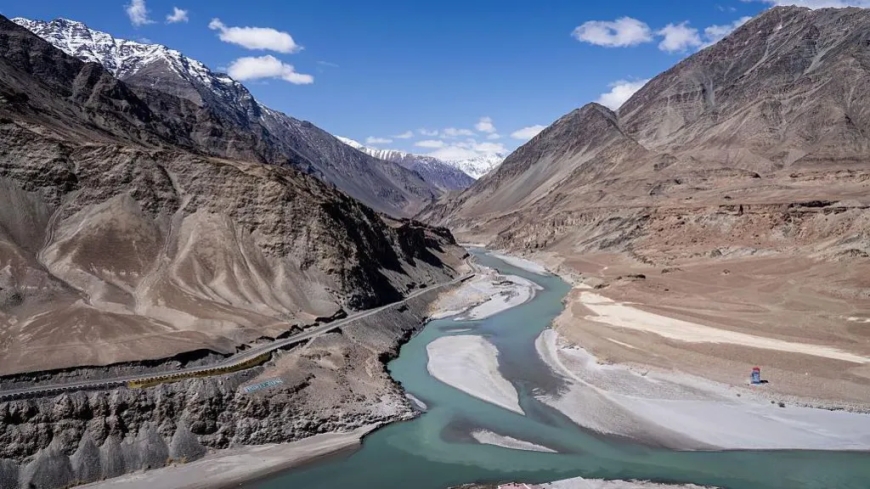
Researchers and meteorologists are raising alarms about a dramatic decline in winter snowfall across the Himalayan mountain range, transforming parts of the world’s highest peaks from pristine, snow-covered slopes into bare, rocky terrain even in mid-winter.
According to scientists, multiple winters in recent years have recorded significantly below-average snowfall and snow persistence, meaning the amount of snow that accumulates on the mountains and stays on the ground has dropped sharply. Data from the International Centre for Integrated Mountain Development (ICIMOD) shows that snow persistence in the Hindu Kush Himalaya region during the 2024–25 winter was at a 23-year low, with four out of the past five winters below normal levels — a sign of widespread “snow drought.”
Experts point to weaker western disturbances — the weather systems that traditionally bring moisture and cold air to the region — as one factor behind the reduced winter precipitation. These systems appear to be losing strength or shifting northward, limiting snowfall over large swathes of the Himalayas.
The consequences extend beyond the mountain scenery. Seasonal snowmelt is a crucial water source for major rivers like the Indus, Ganga and Brahmaputra, feeding drinking water supplies, irrigation and hydropower for hundreds of millions of people downstream. Reduced winter snow means less stored water to melt in spring and summer, heightening risks of water shortages and ecological stress.
Scientists also warn that dwindling snow cover and faster melt — driven partly by rising temperatures linked to climate change — can destabilize mountain slopes, contributing to more frequent landslides, rockfalls and other hazards.
This shift toward bare, rocky mountains in winter — once almost unheard of — is becoming more common, prompting calls from researchers for urgent attention to climate change impacts in the region that supports billions of people’s livelihoods.
What's Your Reaction?
 Like
0
Like
0
 Dislike
0
Dislike
0
 Love
0
Love
0
 Funny
0
Funny
0
 Angry
0
Angry
0
 Sad
0
Sad
0
 Wow
0
Wow
0