













Rahul Gandhi Demands PM Modi's Apology Over CJP Protest Crackdown, Questions Silence After Lathi-Charge on Students
Congress leader Rahul Gandhi has strongly criticized the police action against protesters at the CJP demonstration in Delhi, demanding that Prime Minister Narendra Modi apologize to students and questioning why the Prime Minister has remained silent over the alleged lathi-charge.

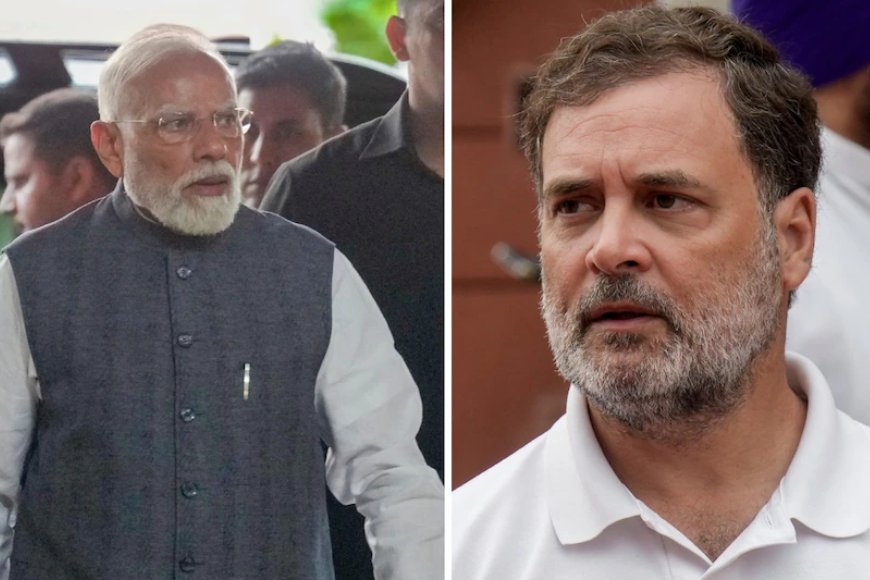
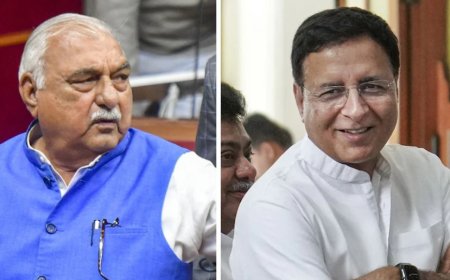
The political temperature in the national capital has intensified after Congress leader and Leader of the Opposition Rahul Gandhi launched a sharp attack on the Narendra Modi-led government over the police action during the Cockroach Janta Party (CJP) protest in Delhi. Referring to the alleged lathi-charge on students and young protesters, Rahul Gandhi questioned Prime Minister Narendra Modi's silence and demanded that he publicly apologize to the country's youth.
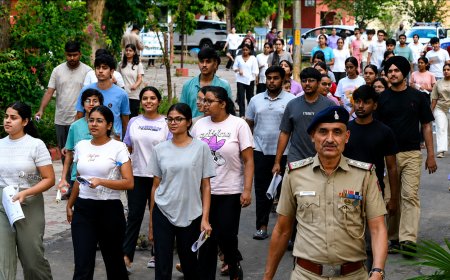
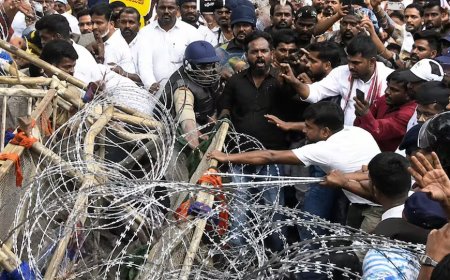
The confrontation follows large-scale demonstrations organized by the CJP over alleged irregularities in the education system, including demands related to examination reforms and accountability over paper leak controversies. Thousands of protesters gathered in Delhi, with many attempting to march toward Parliament from Jantar Mantar before being stopped by security forces. As tensions escalated, police used barricades, tear gas, and batons to disperse sections of the crowd, leading to injuries among protesters as well as police personnel.
Reacting to the developments, Rahul Gandhi accused the government of responding to students' concerns with force instead of dialogue. Speaking outside Parliament, he said the Prime Minister should apologize to students who were allegedly beaten during the protest and questioned why there had been no public expression of regret from the government. According to Gandhi, young people protesting for transparency and fairness in the education system deserved to be heard rather than confronted through police action.
Rahul Gandhi also linked the protest to the broader issue of repeated examination paper leaks, arguing that millions of students have been affected while accountability remains limited. He alleged that repeated controversies surrounding competitive examinations have eroded the confidence of students and their families in the education system. The Congress leader said the government's handling of the crisis reflected what he described as an "anti-youth" approach.
The CJP protest emerged as one of the largest youth-led demonstrations seen in recent months. Protesters demanded reforms in the examination system, action against those responsible for paper leaks, and the resignation of Union Education Minister Dharmendra Pradhan. The movement, which initially gained traction through social media campaigns, has evolved into a broader platform raising concerns over education, employment, and governance.
According to police officials, extensive security arrangements had been made because permission had not been granted for a march toward Parliament. Authorities said protesters attempted to move beyond designated protest areas, prompting police intervention to maintain security around sensitive government zones. Officials also reported injuries among police personnel during clashes and defended the security measures as necessary to prevent law-and-order issues.
Rahul Gandhi, however, argued that peaceful democratic protest is a constitutional right and warned against the excessive use of force. He emphasized that students raising concerns about their future should not be treated as law-and-order threats. The Congress leader reiterated that governments are accountable to citizens and said democratic institutions must remain open to dissent.
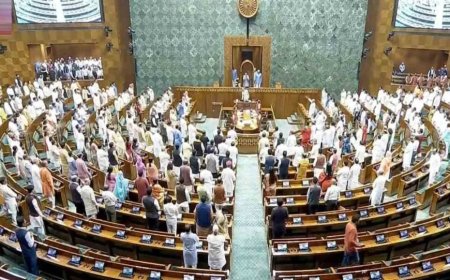
The controversy has triggered a wider political debate inside and outside Parliament. Opposition leaders have criticized the government's handling of the protests, while the ruling side has maintained that security agencies acted within the law to prevent unauthorized demonstrations near Parliament during the Monsoon Session. The issue is expected to remain a major point of confrontation in Parliament as opposition parties continue to seek discussions on the police action.
Meanwhile, CJP leaders have stated that despite the clashes, their movement will continue through peaceful means. Following the violence, the organization announced that it would suspend further marches toward Parliament to avoid additional injuries to protesters, while continuing its agitation through sit-ins and other democratic forms of protest. The group's leadership also expressed regret over the injuries suffered by supporters during the demonstrations.
The protests have once again brought national attention to concerns over examination integrity and youth unemployment. Education-related issues have become increasingly significant in political discourse, particularly after repeated allegations of paper leaks affecting major competitive examinations. Student organizations and civil society groups argue that restoring trust in recruitment and examination systems requires stronger institutional reforms and greater accountability.
Political analysts believe Rahul Gandhi's intervention reflects the opposition's effort to position itself alongside student movements and youth concerns. By directly demanding an apology from the Prime Minister, the Congress leader has sought to make the government's response to the protests a central political issue during the ongoing Parliament session. Whether this translates into a broader political impact will depend on the government's response and the direction of the ongoing protests.
For the government, balancing the constitutional right to protest with maintaining public order remains a continuing challenge. Security agencies have defended their actions as necessary under prevailing circumstances, while critics argue that greater restraint and dialogue could have prevented confrontation.
As Parliament continues its proceedings, the CJP protests and the subsequent political exchange are expected to dominate discussions. The incident has evolved beyond a law-and-order issue into a wider debate over education reforms, democratic dissent, police action, and political accountability.
With Rahul Gandhi demanding answers and the government defending its handling of the situation, the controversy is likely to remain at the center of national political discourse in the coming days as both sides continue to present their respective narratives.
What's Your Reaction?
 Like
0
Like
0
 Dislike
0
Dislike
0
 Love
0
Love
0
 Funny
0
Funny
0
 Angry
0
Angry
0
 Sad
0
Sad
0
 Wow
0
Wow
0