


























US-Iran Relations at a Crossroads: Will Diplomacy Prevail or Is Another Middle East Conflict Looming?
The United States and Iran are once again at the center of global attention as negotiations over Iran's nuclear program enter a crucial phase. While diplomatic efforts are underway to secure a new agreement and reduce regional tensions, major disagreements over uranium enrichment, sanctions, and military activities continue to raise fears of a potential confrontation.

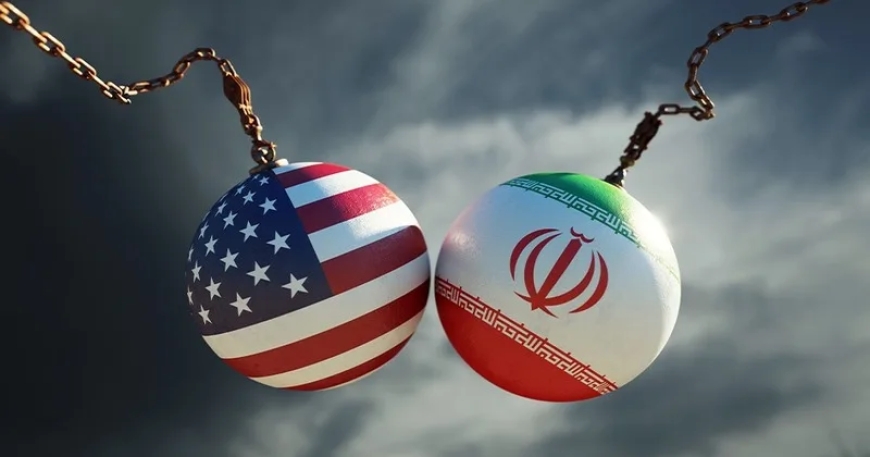
The long-running dispute between the United States and Iran has entered a crucial phase, with both countries intensifying diplomatic efforts in a bid to resolve years of tensions. The ongoing negotiations are centered on Iran's nuclear program, economic sanctions imposed by Washington, and broader security concerns across the Middle East. While officials on both sides have expressed cautious optimism about the progress of talks, major disagreements continue to stand in the way of a final agreement. Analysts believe the coming weeks could prove decisive in determining whether the two nations move toward a diplomatic breakthrough or face renewed confrontation.
At the center of the negotiations is Iran's nuclear program, which remains the most significant obstacle to a comprehensive deal. The United States is pushing for stricter limits on uranium enrichment and stronger international monitoring mechanisms to ensure that Iran cannot develop nuclear weapons. Tehran, however, insists that its nuclear activities are solely intended for peaceful and civilian purposes. Iranian leaders argue that the country has a legitimate right to pursue nuclear technology for energy and scientific development. The disagreement over Iran's enriched uranium stockpiles continues to be one of the most contentious issues in the talks and remains a major hurdle to any agreement.
Economic sanctions have emerged as another critical point of discussion. Iran is seeking substantial sanctions relief to revive its struggling economy, attract foreign investment, and boost trade. Tehran has repeatedly emphasized that meaningful sanctions removal must be a key component of any future agreement. The United States has signaled that sanctions relief could be considered, but only if Iran agrees to strict nuclear restrictions and demonstrates long-term compliance with international obligations. This delicate balance between security concerns and economic incentives is likely to determine the success or failure of the negotiations.
Beyond the nuclear issue, the strategic importance of the Strait of Hormuz continues to add complexity to the discussions. The narrow waterway serves as one of the world's most vital oil shipping routes, with a significant portion of global energy supplies passing through it every day. Any disruption in the Strait could trigger major consequences for international energy markets and global economic stability. While the United States has repeatedly stressed the need to keep the route open and secure, Iran views the waterway as a key element of its regional influence and strategic leverage. Rising tensions in the area have therefore become a major concern for governments, businesses, and investors around the world.
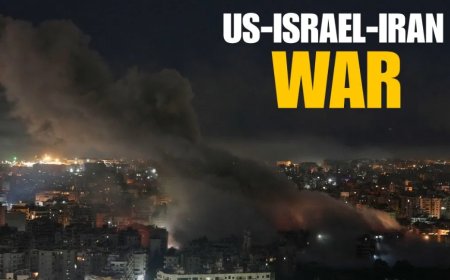
Despite ongoing diplomatic engagement, military preparedness remains high on both sides. The United States continues to closely monitor developments in the region, while Iran has strengthened parts of its defense infrastructure and missile capabilities. Security experts warn that even a minor incident, miscalculation, or misunderstanding could rapidly escalate into a broader conflict if diplomatic channels fail. This combination of active negotiations and military readiness highlights the fragile nature of the current situation.
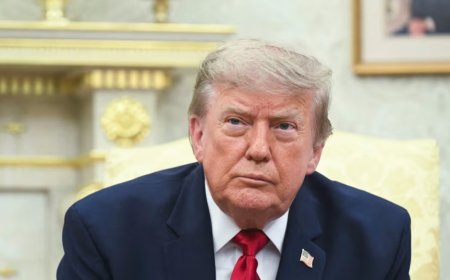
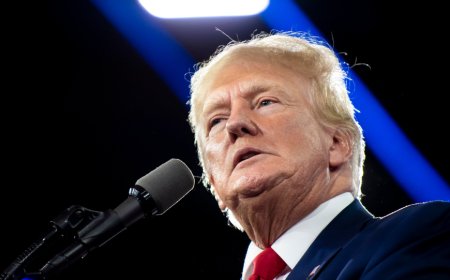
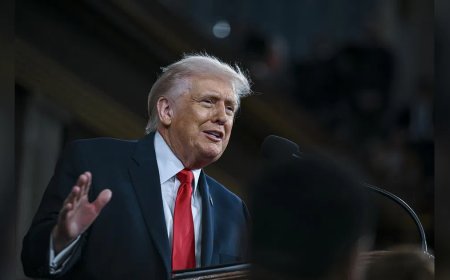
Adding to the diplomatic momentum, US President Donald Trump has recently expressed confidence that progress is being made in the negotiations. According to Trump, Iran appears interested in reaching an agreement, although he has made it clear that any future deal must guarantee that Tehran will never acquire nuclear weapons. The US administration continues to present diplomacy as its preferred path forward, while maintaining that alternative measures remain available should negotiations collapse.
The outcome of these talks will have implications far beyond Washington and Tehran. A successful agreement could help stabilize the Middle East, reduce geopolitical tensions, improve global energy security, and restore confidence in international diplomacy. Conversely, a breakdown in negotiations could fuel regional instability, disrupt global oil markets, and increase the risk of military confrontation involving multiple countries. As diplomatic efforts continue, the world is closely watching to see whether dialogue can overcome decades of mistrust and deliver a lasting solution to one of the most complex geopolitical challenges of the modern era.
What's Your Reaction?
 Like
0
Like
0
 Dislike
0
Dislike
0
 Love
0
Love
0
 Funny
0
Funny
0
 Angry
0
Angry
0
 Sad
0
Sad
0
 Wow
0
Wow
0