






















Middle East on Edge: Iran's Qatar Strike Deepens Tensions with Pakistan and Saudi Arabia, Raising Fears of a Wider War
The Middle East is witnessing a dangerous escalation as Iran's recent military actions, including its strike targeting a U.S. base in Qatar, have intensified regional tensions. With growing diplomatic concerns involving Pakistan and Saudi Arabia, analysts warn that the crisis could push the region closer to a broader conflict unless diplomatic efforts succeed.

Iran's Qatar Strike Raises Regional Alarm: Growing Tensions with Pakistan and Saudi Arabia Fuel Fears of a Wider Middle East Conflict
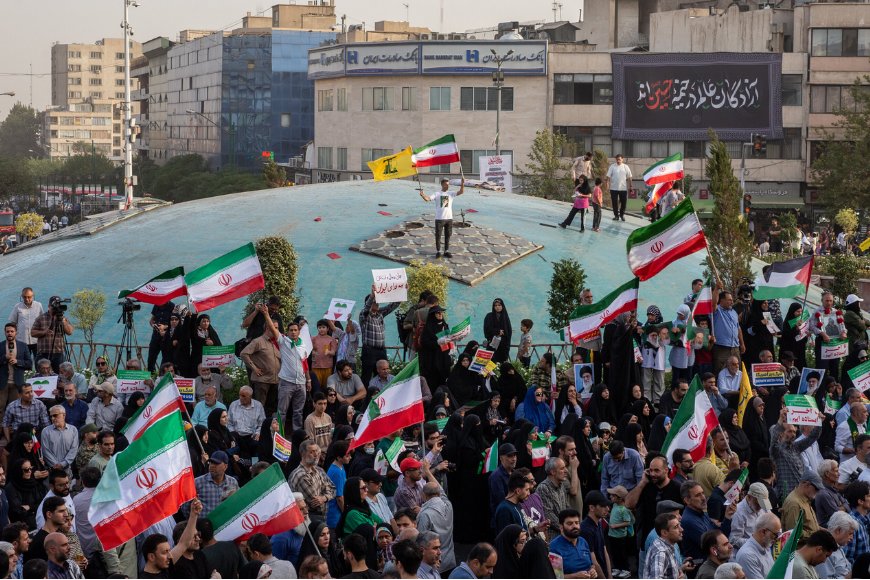
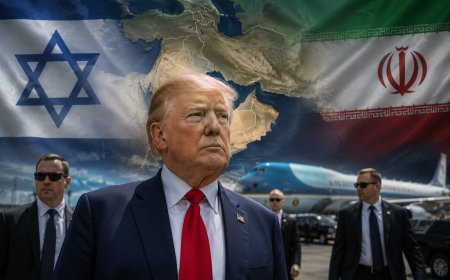
The Middle East is once again facing one of its most volatile security crises in recent years. As the military confrontation involving Iran, the United States, and Israel continues to intensify, Tehran's recent strike targeting a U.S. military base in Qatar has added a new layer of complexity to an already fragile regional situation. While the attack was widely viewed as part of Iran's response to ongoing military pressure, it has also triggered diplomatic concerns among neighboring countries and raised questions about whether Iran is becoming increasingly isolated in the region.
The latest developments come amid continued exchanges of military action between the United States and Iran following escalating tensions involving Israel. As Washington continues operations targeting Iranian military assets, Tehran has vowed to retaliate against what it describes as acts of aggression. The strike directed toward the American military installation in Qatar has become one of the most significant moments in the current crisis because of Qatar's unique diplomatic position in the Middle East.
Qatar has traditionally maintained working relationships with countries that often disagree with one another. It has served as a mediator in numerous regional disputes and has hosted diplomatic negotiations involving various international actors. Because of this reputation, any military action affecting Qatar carries consequences beyond immediate security concerns. Analysts believe that although the intended target was reportedly a U.S. military facility, the incident has inevitably placed Qatar in an uncomfortable diplomatic position during an already sensitive regional crisis.
The growing instability has also drawn attention to Iran's relationships with neighboring countries, particularly Pakistan and Saudi Arabia. Pakistan shares a long border with Iran and has historically balanced cooperation with caution due to security concerns along the frontier. While the two countries maintain diplomatic ties and coordinate on border security, occasional tensions related to cross-border militant activity have complicated their relationship over the years.
The current regional conflict has increased pressure on Islamabad to carefully manage its foreign policy. Pakistan has consistently emphasized the importance of regional stability and has called for diplomatic solutions to ongoing conflicts. However, the rapidly changing security environment means that every military development in the Middle East has the potential to influence Pakistan's strategic calculations.
Saudi Arabia also remains a key player in the unfolding crisis. For decades, Riyadh and Tehran have competed for regional influence through political, ideological, and strategic rivalry. Although recent diplomatic efforts led to a partial restoration of relations between the two countries, the latest military escalation has renewed concerns that hard-earned progress toward normalization could face fresh challenges.
Security experts argue that one of the greatest risks in the current situation is not necessarily a deliberate decision by any country to start a full-scale regional war, but rather the possibility of miscalculation. Military operations conducted across multiple countries increase the likelihood of unintended escalation, where one retaliatory strike could trigger a chain reaction involving several regional powers.
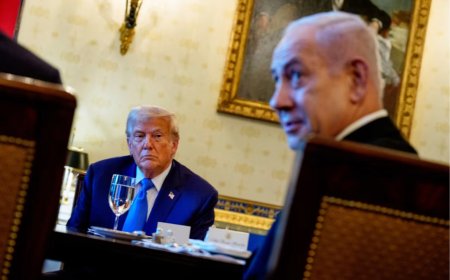
The United States continues to maintain that its military operations are designed to protect American personnel and allies while reducing threats posed by Iranian military capabilities. Washington has also reinforced its military presence across several strategic locations in the region, signaling its readiness to respond if further attacks occur.
Iran, meanwhile, insists that its actions represent legitimate self-defense against foreign military operations. Iranian officials have repeatedly warned that continued attacks on Iranian territory or military infrastructure will be met with proportional responses. These opposing positions have made diplomatic negotiations increasingly difficult as both sides continue to emphasize security concerns.
Israel remains another central factor in the regional equation. Israeli leaders have consistently argued that Iran's expanding military capabilities and support for allied armed groups represent long-term security threats. Consequently, Israel has maintained a firm stance against Iranian military expansion while strengthening its own defense preparedness.
Beyond military considerations, the crisis has significant economic implications. The Middle East remains one of the world's most critical energy-producing regions. Shipping routes through the Persian Gulf and the Strait of Hormuz handle a substantial percentage of global oil exports. Any prolonged military confrontation in the region could disrupt international energy supplies, increase shipping insurance costs, and trigger higher global fuel prices.
Financial markets have already begun monitoring developments closely, with investors assessing the potential impact on oil prices, inflation, and international trade. Economists warn that prolonged instability could create ripple effects far beyond the Middle East, affecting economies across Asia, Europe, and North America.
The humanitarian dimension of the crisis is equally important. Continued military operations increase risks for civilians living near conflict zones, while prolonged instability may place additional pressure on humanitarian agencies operating across the region. International organizations continue to urge all parties to exercise restraint and prioritize diplomatic engagement over military escalation.
Global leaders have repeatedly called for dialogue instead of confrontation. The United Nations and several major powers have encouraged negotiations aimed at reducing tensions before the situation develops into a broader regional conflict. However, achieving meaningful diplomatic progress remains difficult while military operations continue.
Foreign policy analysts suggest that Iran now faces one of the most challenging strategic moments in recent history. Maintaining military deterrence while avoiding diplomatic isolation will require careful decision-making. At the same time, neighboring countries are attempting to protect their own security interests without becoming directly involved in a wider conflict.
Whether Iran's recent military actions strengthen its strategic position or increase regional isolation remains a matter of debate among experts. Some analysts argue that Tehran is attempting to demonstrate its ability to respond to external pressure, while others believe that military escalation may complicate its relationships with countries that have traditionally sought balanced diplomatic engagement.
The coming days are expected to be decisive. Additional military strikes, diplomatic breakthroughs, or renewed negotiations could significantly alter the direction of the crisis. Governments around the world continue to monitor every development closely, recognizing that events in the Middle East often carry global geopolitical and economic consequences.
As tensions continue to rise between Iran, the United States, and Israel, the broader regional implications are becoming increasingly significant. Iran's strike involving Qatar, combined with growing diplomatic sensitivities involving Pakistan and Saudi Arabia, has intensified concerns that the Middle East could be moving toward one of its most dangerous periods in recent years. Whether diplomacy can prevent further escalation remains the critical question facing the international community.
What's Your Reaction?
Like
0
Dislike
0
Love
0
Funny
0
Angry
0
Sad
0
Wow
0