


























Trump’s 100% Tariff Threat Looms Over India as US Senate Pushes Russia Sanctions Bill
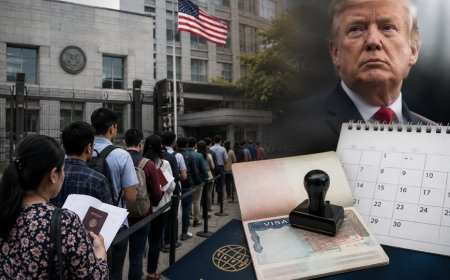
India could face tariffs of up to 100% if a new US sanctions bill targeting countries buying Russian energy becomes law. As the US Senate advances the legislation, concerns are rising over its potential impact on India-China trade, global oil markets, and geopolitical relations.

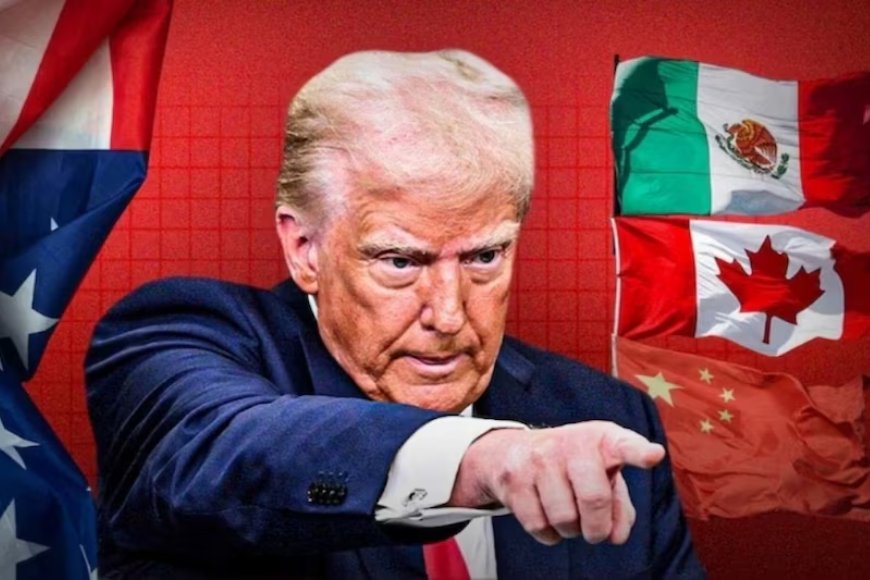
A fresh trade dispute could be brewing between India and the United States as a bipartisan sanctions bill in the US Senate moves closer to becoming law. The proposed legislation, designed to intensify economic pressure on Russia over the ongoing Ukraine conflict, also targets countries that continue purchasing large volumes of Russian oil and gas. India and China, two of the world's largest buyers of Russian energy, are among the nations that could be significantly affected if the measure is implemented.
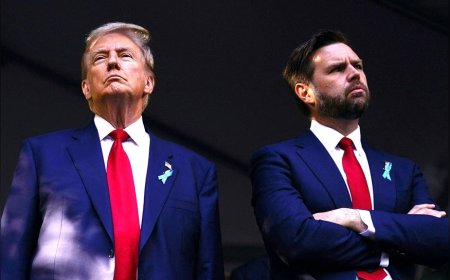
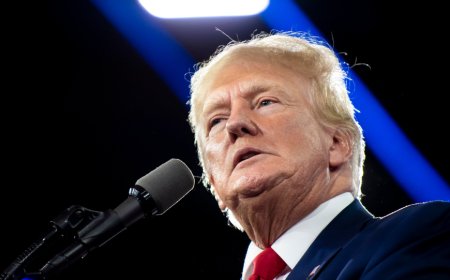
The bill recently cleared a major procedural hurdle in the US Senate with overwhelming bipartisan support. If eventually passed by both chambers of Congress and signed into law, it would provide US President Donald Trump with the authority to impose tariffs of up to 100% on imports from countries deemed to be substantially supporting Russia through continued energy purchases.
Why Is the Bill Being Introduced?
The proposed legislation is part of Washington's broader strategy to weaken Russia's financial resources. Since the beginning of the Russia-Ukraine conflict, Western countries have imposed multiple rounds of sanctions on Moscow. However, Russia has continued generating significant revenue through oil and gas exports, particularly to Asian markets.
US lawmakers believe that restricting trade with countries importing large quantities of Russian energy could reduce Moscow's income and increase pressure on the Kremlin. According to supporters of the bill, cutting Russia's energy revenues remains one of the most effective economic tools available to influence the conflict.
Why India Is in Focus
India has significantly increased its imports of discounted Russian crude oil over the past few years. Lower prices have helped Indian refiners reduce import costs while supporting domestic fuel demand.
From India's perspective, purchasing Russian oil has been an economic decision driven by energy security and affordability. Indian officials have repeatedly maintained that the country's foreign policy is guided by national interest and strategic autonomy rather than geopolitical alignment.
However, this approach has drawn criticism from some Western policymakers who argue that continued purchases indirectly help finance Russia's war efforts. The proposed sanctions legislation reflects that concern by targeting major energy buyers rather than Russia alone.
China Also Faces Pressure
China is another major importer of Russian oil and natural gas and could also face similar tariff risks under the legislation.
For Washington, the bill is intended to send a broader message that countries continuing large-scale energy trade with Russia may face economic consequences. This has raised concerns in Beijing as well, particularly because higher tariffs could disrupt trade flows and increase costs for exporters serving the American market.
What Does a 100% Tariff Mean?
A tariff is essentially an import tax imposed on goods entering a country. If the United States were to impose a tariff of up to 100% on selected imports, products from affected countries could become substantially more expensive in the American market.
Higher import costs may reduce competitiveness for exporters, discourage trade, and increase prices for businesses and consumers in the US. While the legislation authorises tariffs of up to 100%, whether, when, and to what extent they would be imposed would depend on presidential decisions if the bill becomes law.
Impact on India-US Trade
The United States remains one of India's largest export destinations. Indian exports include pharmaceuticals, engineering goods, textiles, electronics, chemicals, and information technology services.
If additional tariffs were eventually imposed on a broad range of Indian products, exporters could face higher costs and reduced competitiveness in the American market. Certain sectors dependent on US demand might experience slower growth, although the precise impact would depend on the final scope of any tariffs and potential exemptions.
Trade experts note that both governments are likely to continue diplomatic engagement to avoid a major disruption in bilateral economic relations, which have expanded significantly over the past decade.
Global Energy Market Concerns
The proposed legislation is also attracting attention from global energy markets.
India and China collectively account for a substantial share of Russian crude purchases. If these countries reduce imports because of tariff concerns, global oil trade patterns could shift again, potentially affecting supply chains, freight costs, and crude prices.
Analysts suggest that any major disruption in Russian energy exports could create volatility in international oil markets, particularly if alternative suppliers are unable to fully replace lost volumes in the short term.
Political Debate in Washington
Although the legislation enjoys bipartisan support, it has also generated debate within the United States.
Some lawmakers have expressed concerns about granting broad tariff powers to the President, arguing that such authority could increase costs for American businesses and consumers. Others believe stronger economic pressure is necessary to limit Russia's ability to finance its military operations.
Supporters maintain that the bill represents one of the strongest sanctions packages proposed against Russia in recent years and could reshape international energy trade if implemented.
What Happens Next?
The bill has successfully crossed an important Senate procedural stage but has not yet become law. It must complete further legislative steps before moving to the House of Representatives. If approved there, it would then require the President's signature before any new tariff powers could take effect.
Until then, India, China, energy companies, exporters, and global financial markets are expected to closely monitor developments in Washington. Governments may also engage in diplomatic negotiations to reduce potential trade tensions while balancing broader geopolitical interests.
The coming weeks will therefore be crucial in determining whether the proposed sanctions remain a political warning or evolve into measures capable of significantly reshaping international trade and energy flows. Whatever the outcome, the debate highlights how geopolitical conflicts increasingly influence global commerce, supply chains, and economic policy.
What's Your Reaction?
 Like
0
Like
0
 Dislike
0
Dislike
0
 Love
0
Love
0
 Funny
0
Funny
0
 Angry
0
Angry
0
 Sad
0
Sad
0
 Wow
0
Wow
0