




























Powerful Earthquake Devastates Japan: Thousands Without Electricity as Roads Collapse and Rescue Operations Intensify
A powerful earthquake struck Japan's Kyushu region, causing widespread destruction, disrupting power supply to thousands of homes, damaging roads, and triggering large-scale rescue operations as authorities search for missing residents.

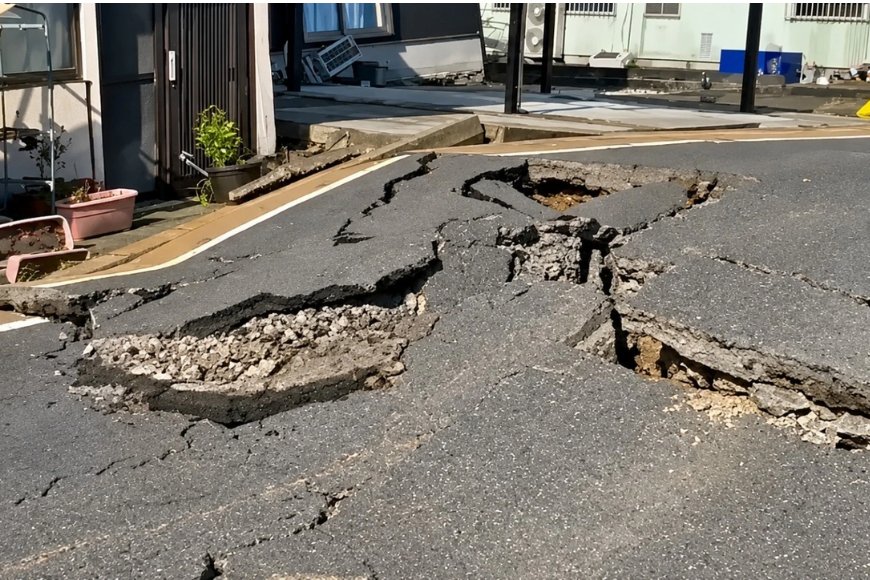
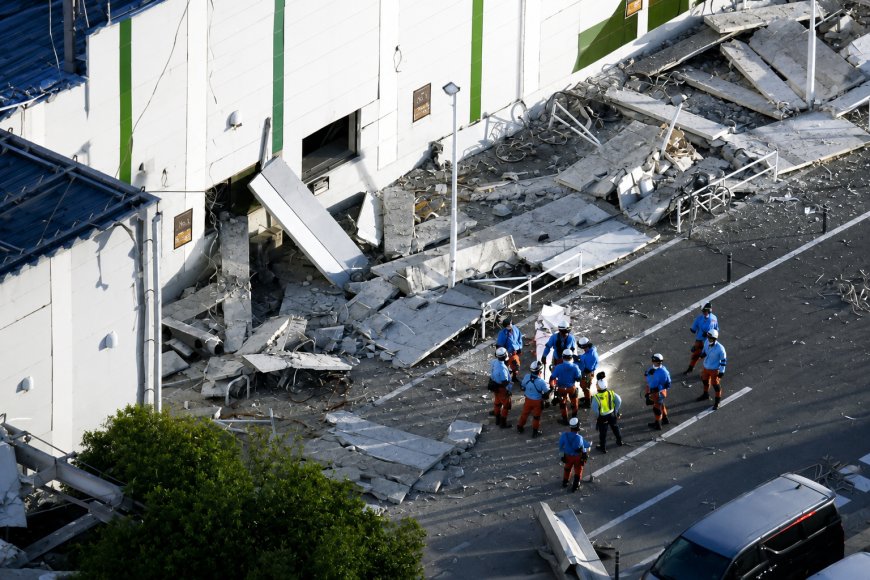
Japan has once again been reminded of its vulnerability to natural disasters after a powerful earthquake struck the country's southwestern Kyushu region, leaving a trail of destruction across several towns and cities. The strong tremor damaged homes, destroyed roads, disrupted electricity supply to thousands of households, and prompted an extensive rescue effort as emergency teams searched for missing residents trapped under debris.
The earthquake, which struck Kumamoto Prefecture and nearby areas, sent shockwaves across the region, forcing people to rush out of their homes in panic. Buildings shook violently, roads developed massive cracks, and several landslides were reported in mountainous regions. Authorities immediately activated emergency response teams, while local governments opened evacuation centres to provide shelter to affected families.
Extensive Damage Across the Region
The earthquake caused significant structural damage to residential buildings, commercial establishments, schools, and public infrastructure. Several houses either collapsed completely or suffered severe cracks, making them unsafe for habitation. In many neighbourhoods, fallen walls, broken windows, and damaged rooftops illustrated the intensity of the quake.
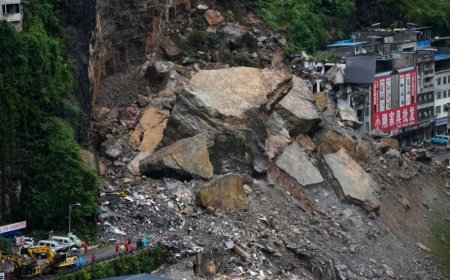
Road infrastructure was among the worst-hit sectors. Multiple highways and local roads developed deep fissures, while landslides blocked important transportation routes connecting remote villages. The damaged roads have made it difficult for rescue teams to reach some affected communities, slowing emergency operations.
Bridges in certain areas also sustained damage, forcing authorities to suspend traffic until structural inspections could be completed. Railway services were temporarily halted as engineers assessed tracks for possible damage, while airport authorities carried out precautionary safety checks before allowing normal operations to resume.
Thousands Left Without Electricity
One of the immediate consequences of the earthquake was widespread disruption to electricity services. Power lines were damaged after utility poles collapsed in several locations, leaving thousands of households without electricity.
The blackout affected residential neighbourhoods, businesses, hospitals, and public facilities. Utility companies deployed emergency repair crews to restore electricity, but difficult terrain and damaged roads complicated repair efforts.
Residents spent hours without power, relying on emergency lighting and battery-powered devices while authorities worked to restore essential services. Water supply interruptions were also reported in certain districts after underground pipelines were damaged by the tremors.
Rescue Operations Continue
Emergency response teams, firefighters, police personnel, and members of Japan's Self-Defense Forces were deployed immediately after the earthquake. Rescue workers began searching collapsed buildings using specialised equipment, trained rescue dogs, and thermal imaging technology to locate survivors.
Authorities confirmed that several people suffered injuries, while some residents were reported missing as rescue teams continued operations. Medical personnel established temporary treatment centres to assist injured victims before transferring critical patients to hospitals.
Helicopters were also deployed to survey heavily damaged areas and transport emergency supplies to locations cut off by landslides and road collapses.
Officials urged residents to remain cautious as aftershocks continued to shake the region, increasing the risk of additional building collapses and landslides.
Evacuation Centres Opened
Local governments quickly established evacuation shelters in schools, community halls, and public buildings to accommodate displaced residents.
Thousands of people sought temporary shelter after their homes became unsafe or lost access to electricity and water. Volunteers distributed food, drinking water, blankets, hygiene kits, and medical supplies to evacuees.
Authorities also prioritised assistance for elderly residents, children, and individuals with disabilities, ensuring they received necessary medical care and support during the emergency.
Infrastructure Faces Major Challenge
Beyond residential damage, the earthquake severely affected critical infrastructure across the region.
Telecommunication services experienced temporary disruptions, making it difficult for residents to contact family members during the initial hours following the disaster.
Several schools suspended classes due to safety concerns, while businesses remained closed as engineers inspected commercial buildings for structural stability.
The transportation network also suffered major disruptions. Train services were delayed or cancelled, while motorists faced lengthy diversions because of damaged highways and blocked roads.
Engineers have begun comprehensive inspections of bridges, tunnels, dams, and public utilities to ensure they remain safe before reopening them for public use.
Japan's Earthquake Preparedness Put to the Test
Japan is located along the Pacific Ring of Fire, one of the world's most active seismic zones. The country experiences thousands of earthquakes every year, ranging from minor tremors to major destructive events.
Over the decades, Japan has invested heavily in earthquake-resistant construction, early warning systems, and disaster preparedness programmes. Strict building regulations have significantly reduced casualties compared to similar earthquakes in other parts of the world.
Residents are regularly trained through nationwide disaster drills, and emergency alerts are automatically sent to mobile phones seconds before strong shaking begins.
Despite these advanced safety measures, powerful earthquakes continue to pose enormous challenges because of the country's geography and dense population.
Economic Impact
The latest earthquake is expected to affect the regional economy, particularly businesses dependent on transportation and manufacturing.
Temporary closure of factories, logistics centres, retail establishments, and tourism facilities may lead to economic losses in the coming weeks.
Repairing damaged roads, bridges, power infrastructure, and public buildings will require significant financial resources.
Agricultural communities may also face challenges if irrigation systems, storage facilities, or transportation routes remain disrupted for an extended period.
Insurance companies are expected to receive thousands of claims related to damaged homes, vehicles, and commercial properties.
Aftershocks Remain a Concern
Seismologists have warned that strong aftershocks may continue in the coming days and weeks.
Aftershocks can further weaken already damaged buildings, trigger additional landslides, and complicate rescue operations. Authorities have advised residents to avoid entering damaged structures until they are declared safe by engineers.
Emergency officials also encouraged citizens to keep emergency kits ready, including food, drinking water, flashlights, medicines, batteries, and important documents.
Government Response
The Japanese government has pledged full support for affected communities.
Disaster management agencies are coordinating with local administrations to provide emergency relief, restore public utilities, and accelerate rescue operations.
Financial assistance is expected to be announced for families whose homes have been damaged, while reconstruction planning will begin once immediate rescue efforts are completed.
Prime Minister and senior government officials have instructed all relevant agencies to prioritise saving lives, restoring essential services, and ensuring public safety.
Looking Ahead
As rescue workers continue searching for survivors and engineers assess damaged infrastructure, the full extent of the disaster is still emerging.
For thousands of residents, the coming days will focus on recovery, rebuilding, and returning to normal life. Although Japan's advanced disaster preparedness systems have once again demonstrated remarkable efficiency, the earthquake serves as another reminder of the immense challenges posed by natural disasters.
With emergency teams working around the clock and communities supporting one another, Japan now faces the difficult task of rebuilding damaged infrastructure, restoring essential services, and helping affected families recover from one of the latest devastating earthquakes to strike the nation.
What's Your Reaction?
 Like
0
Like
0
 Dislike
0
Dislike
0
 Love
0
Love
0
 Funny
0
Funny
0
 Angry
0
Angry
0
 Sad
0
Sad
0
 Wow
0
Wow
0