


























Why This Time Around, Netanyahu’s Meeting with Trump May Not Go According to Script
Israeli Prime Minister Benjamin Netanyahu's latest meeting with U.S. President Donald Trump comes at a time of mounting geopolitical challenges, growing international pressure over Gaza and evolving regional dynamics. Analysts believe the high-stakes talks may prove more complex than previous encounters.

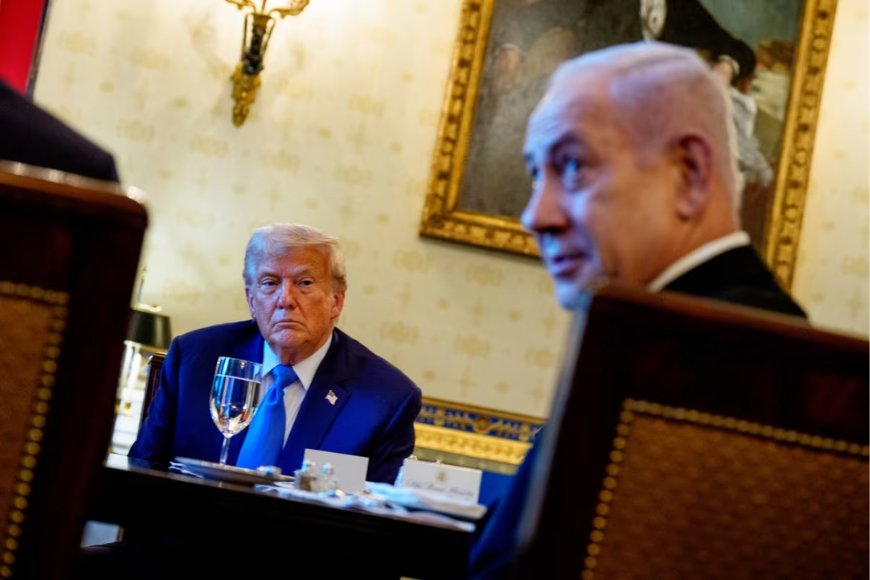
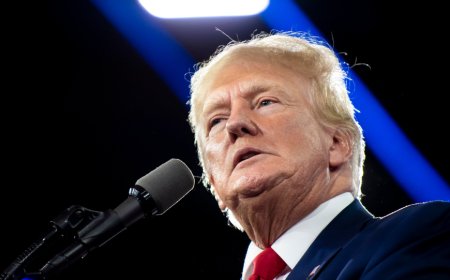
Israeli Prime Minister Benjamin Netanyahu is set to hold another crucial meeting with U.S. President Donald Trump, but unlike previous interactions, political analysts believe this round of talks is unlikely to follow a predictable script. The meeting comes amid an increasingly complicated geopolitical landscape, with the ongoing conflict in Gaza, regional security concerns, Iran's growing influence and international diplomatic pressure all expected to dominate the agenda. While the two leaders have historically shared a close political relationship, the current circumstances present new challenges that could make reaching common ground more difficult than in the past.
One of the biggest issues overshadowing the meeting is the continuing conflict in Gaza. International calls for a permanent ceasefire, humanitarian access and the release of hostages have intensified over recent months. The United States continues to support Israel's right to defend itself while simultaneously urging greater efforts to protect civilians and facilitate humanitarian assistance. Netanyahu, meanwhile, has maintained that Israel's security objectives remain non-negotiable, creating a delicate balancing act for both leaders as they discuss the future course of the conflict.
Another major point of discussion is expected to be Iran and its expanding regional influence. Both Washington and Jerusalem view Tehran's military capabilities, regional alliances and nuclear programme as significant security concerns. However, differences could emerge over the best strategy to contain Iran. While both governments broadly agree on preventing Iran from acquiring nuclear weapons, discussions may focus on diplomatic pressure, sanctions, regional partnerships and military preparedness. The evolving security environment across the Middle East has made coordination between the United States and Israel increasingly important.
The meeting also takes place against the backdrop of growing international scrutiny of Israel's military operations. Several governments and international organisations have expressed concern over the humanitarian situation in Gaza, while some Western allies have called for greater restraint and renewed diplomatic efforts. Netanyahu is likely to seek continued American political and security support, but Washington may also emphasise the importance of maintaining international backing by addressing humanitarian concerns and pursuing diplomatic engagement where possible.
Regional diplomacy is another factor likely to influence the discussions. The future of the Abraham Accords, prospects for expanded normalisation between Israel and Arab nations and broader Middle East stability remain important strategic priorities. Both leaders are expected to explore ways to strengthen regional partnerships while managing the challenges posed by ongoing conflicts and shifting alliances. However, developments since their earlier meetings have significantly altered the regional landscape, making diplomatic calculations more complex than before.
Domestic political considerations also add another layer of complexity. Netanyahu continues to face political pressure within Israel over security, governance and public expectations following months of conflict. At the same time, President Trump must balance U.S. strategic interests in the Middle East with domestic political priorities and international diplomatic commitments. These internal pressures could shape the tone and outcomes of the discussions, even if both leaders seek to project unity publicly.
Economic and defence cooperation are also expected to feature prominently during the meeting. The United States remains Israel's closest strategic ally, with cooperation extending across defence technology, intelligence sharing and military assistance. Discussions could include regional missile defence, security coordination and future defence partnerships, particularly in light of ongoing tensions involving Iran and other armed groups operating across the region.
Despite the long-standing relationship between Trump and Netanyahu, analysts believe this meeting carries greater uncertainty than previous engagements. The regional environment has changed dramatically, with multiple interconnected crises demanding careful diplomacy. Unlike earlier meetings that focused largely on strengthening bilateral ties and regional agreements, the current talks are expected to involve difficult conversations on conflict management, humanitarian concerns, international diplomacy and long-term regional stability.
Political observers suggest that while both leaders remain committed to maintaining strong U.S.-Israel relations, the path forward may require greater compromise and coordination than in the past. The outcome of the meeting could influence not only bilateral relations but also broader developments across the Middle East, including ceasefire negotiations, regional security initiatives and future diplomatic efforts involving key international stakeholders.
As global attention turns to the high-profile meeting, expectations remain mixed. Supporters believe the long-standing relationship between Trump and Netanyahu could facilitate productive discussions, while others argue that today's geopolitical realities leave little room for straightforward solutions. Whether the talks result in concrete policy announcements or simply reaffirm the strategic partnership between the two countries, the meeting is expected to play an important role in shaping the next phase of Middle East diplomacy.
What's Your Reaction?
 Like
0
Like
0
 Dislike
0
Dislike
0
 Love
0
Love
0
 Funny
0
Funny
0
 Angry
0
Angry
0
 Sad
0
Sad
0
 Wow
0
Wow
0