
































Japan Cyber Attack 2026: Over 20 Companies Targeted, Millions of Customer Records at Risk
Japan is facing growing cybersecurity concerns after cyberattacks and data breaches reportedly affected more than 20 companies. Incidents involving services such as Times Car and JR East have raised concerns about the potential exposure of millions of customer records, including personal information and email addresses. Authorities and businesses are reviewing security measures as investigations continue.

Japan Cyber Attack 2026: More Than 20 Companies Hit, Millions of Customer Records at Risk
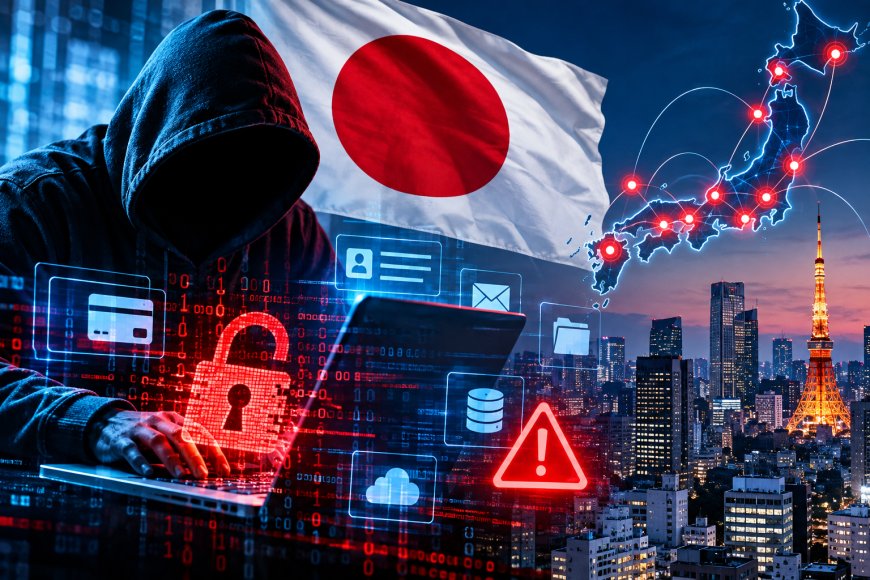
Japan is facing growing concerns over cybersecurity after a series of cyberattacks and data breaches affected more than 20 companies across multiple industries. The incidents have raised questions about the safety of personal information stored by railway operators, car-rental services, convenience-store chains, and other businesses.
According to an Aaj Tak report published on October 11, 2026, the attacks have put millions of customers' personal records at potential risk. Some companies have already reported data breaches, while others are investigating possible unauthorized access to their systems.
The situation has prompted Japanese authorities to call for stronger cybersecurity measures as businesses work to protect sensitive customer information.
More Than 20 Companies Affected by Cyberattacks
The recent wave of cyber incidents has affected companies operating in several sectors of Japan's economy. These include transport services, financial businesses, retail chains, and digital platforms that store large amounts of customer information.
The incidents have raised concerns because modern businesses rely heavily on online databases, mobile applications, and interconnected digital systems. A security breach in one system can expose sensitive information and potentially disrupt services.
Reports have identified companies such as Times Car, JR East, Lawson, Daiwa Securities, and SoftBank among businesses affected by recent cybersecurity incidents. However, the incidents should not automatically be treated as one coordinated attack, as the connection between individual cases has not been established.
Times Car Data Breach: Around 6.6 Million Accounts Affected
One of the major incidents involved Times Car, a Japanese car-sharing service.
The company reported that information associated with approximately 6.6 million member accounts had been affected by a cyberattack. The exposed information reportedly included personal details, and the incident raised particular concerns about identity-document images associated with some accounts.
Such information can be sensitive because criminals may attempt to use stolen personal details for identity fraud, impersonation, or targeted phishing attacks.
The incident highlights the risks faced by companies that store customer identification documents and other personal records in digital systems.
JR East Reports Possible Email Data Exposure
Japan's railway operator JR East also reported a potential data leak involving approximately 1.67 million customer email addresses linked to its booking system.
Email addresses can be exploited in phishing campaigns, in which criminals impersonate legitimate companies to persuade users to disclose passwords, payment details, or other confidential information.
Customers whose information may have been exposed should remain cautious about unexpected emails, suspicious links, and messages requesting account verification or payment information.
The extent of the potential exposure and the circumstances surrounding the incident depend on the findings of the company's investigation.
Government Raises Cybersecurity Concerns
The growing number of incidents has prompted Japan's government to urge public institutions and private companies to review their cybersecurity arrangements.
According to an Associated Press report published in October 2026, Japanese authorities have called for stronger security practices, including regularly updating software, using strong passwords, and improving protections across supply chains.
The government has also warned about increasingly sophisticated attacks and the possibility that criminals may impersonate cybersecurity professionals to exploit organizations already dealing with an incident.
The number of reported cyberattack cases in Japan has risen sharply. A study by the Yomiuri newspaper and cybersecurity company Trend Micro found that reported cases had already exceeded 500 in 2026, surpassing the totals recorded in 2023 and 2024.
Is Artificial Intelligence Making Cyberattacks More Dangerous?
Cybersecurity specialists have raised concerns that artificial intelligence could make some forms of cybercrime easier to carry out.
AI tools can help attackers automate certain tasks, identify potential software weaknesses, and create convincing phishing messages. These capabilities may reduce the time and technical expertise needed for some attacks.
However, the use of AI has not been confirmed in every recent Japanese breach. Investigators are still examining the circumstances of individual incidents.
The wider concern is that businesses must prepare for attacks that can be automated, adapted quickly, and made more difficult to detect.
What Kind of Personal Data Could Be at Risk?
The information involved in data breaches varies from company to company. Depending on the affected system, exposed records may include:
-
Names and email addresses.
-
Phone numbers and contact details.
-
Driver's license or passport information.
-
Account details and other identity-related records.
-
Financial or payment-related information, which is stored in affected systems.
Not every incident involves all these categories of information, and a potential exposure does not necessarily mean every record has been accessed or misused.
Nevertheless, compromised personal information can create risks of identity fraud, targeted scams, and unauthorized attempts to access online accounts.
How Can Customers Protect Themselves?
Customers can take several precautions while companies investigate the reported breaches.
1. Be cautious with unexpected messages: Avoid clicking suspicious links or opening attachments from unknown senders, even if a message appears to come from a familiar company.
2. Change compromised passwords: If a service confirms that account credentials may have been exposed, change the affected password and avoid reusing it elsewhere.
3. Enable multi-factor authentication: An additional verification step can make it harder for criminals to access an account using a stolen password alone.
4. Monitor financial activity: Review bank and payment statements regularly and report unfamiliar transactions to the relevant financial institution.
5. Follow official company updates: Customers should rely on official security notices to understand what information may have been affected and what steps they should take.
Conclusion
Japan's recent wave of cyberattacks has highlighted the growing cybersecurity challenges facing businesses that store large volumes of customer information. With more than 20 companies reportedly affected by attacks or data-breach incidents, concerns over privacy, identity theft, and digital security are increasing.
Incidents involving Times Car and JR East demonstrate how cyberattacks can potentially affect millions of customer records, even when the businesses involved operate in different sectors.
Japanese authorities are urging organizations to strengthen their security systems, while customers should remain alert to suspicious messages and possible misuse of personal information. As investigations continue, the full scale and connections between the individual incidents will become clearer.
What's Your Reaction?
 Like
0
 Dislike
0
 Love
0
 Funny
0
 Angry
0
 Sad
0
 Wow
0