


























Hong Kong Pro-Democracy Activist Allowed to Stay in UK After Deportation Threat Is Withdrawn
Former Hong Kong opposition leader Wu Chi-wai has been allowed to remain in the United Kingdom for six months after initially facing deportation over an immigration issue. The reversal has been welcomed by rights groups and the Hong Kong diaspora, who had expressed concern over his case.

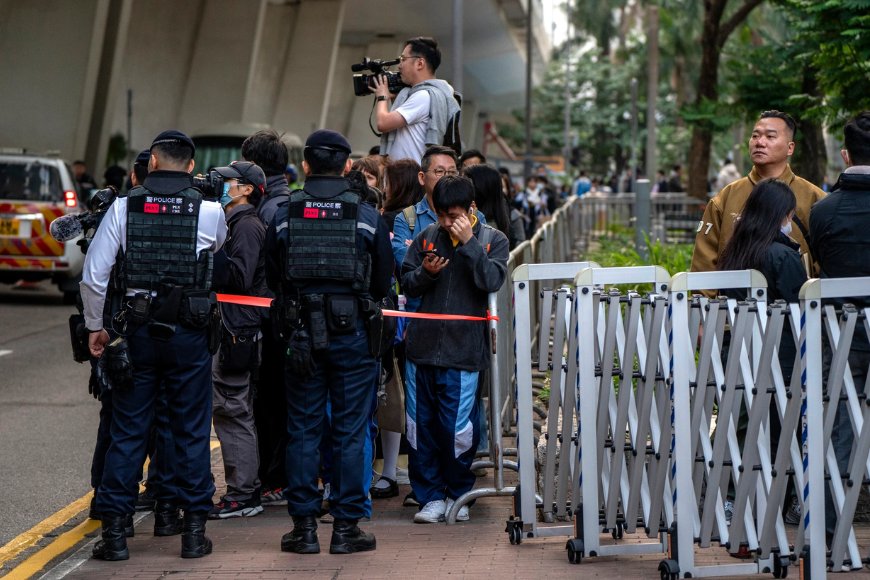
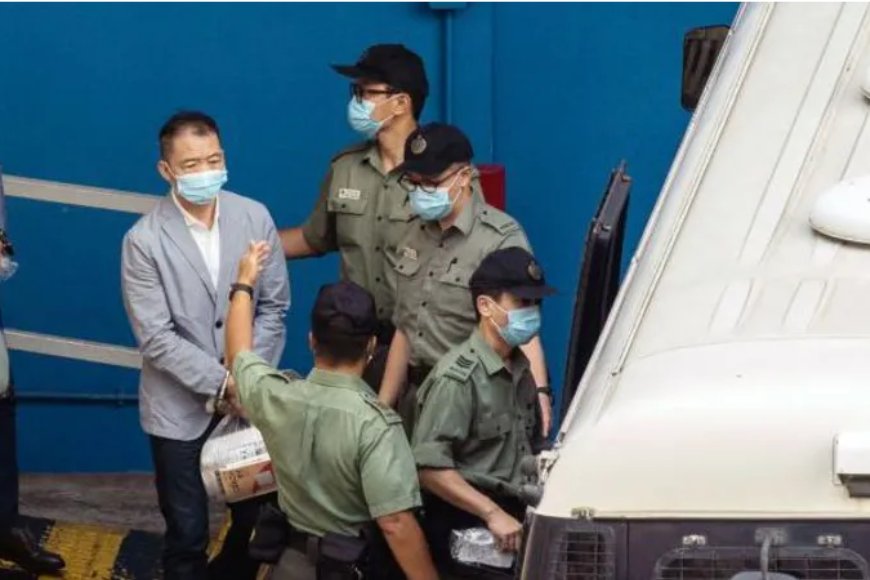
Former Hong Kong pro-democracy leader Wu Chi-wai has been granted permission to remain in the United Kingdom for six months after British immigration authorities reversed an earlier decision that had threatened him with deportation. The move has been welcomed by human rights organisations, legal experts, and members of the Hong Kong community in Britain, who viewed the case as an important test of the UK's commitment to protecting people fleeing political persecution.
Wu, a former chairman of Hong Kong's Democratic Party, arrived in the UK to reunite with his wife and son after spending more than five years in prison under Hong Kong's Beijing-imposed national security law. However, shortly after his arrival, he was detained by immigration officials and informed that he had only seven days to remain in the country because of an immigration-related issue. His passport was retained, raising fears that he could be deported before the matter was resolved.
Deportation Threat Sparks Concern
The initial immigration decision quickly attracted international attention.
Rights organisations, legal advocates, and members of the Hong Kong diaspora questioned why a prominent democracy activist who had already served a lengthy prison sentence was facing possible removal from the UK.
Campaigners argued that returning Wu to Hong Kong or preventing him from staying with his family could undermine Britain's long-standing support for Hong Kong residents affected by the city's changing political environment.
The case also prompted concerns among thousands of Hong Kong citizens living in Britain under the British National (Overseas), or BN(O), immigration scheme, who feared similar administrative complications could affect them in the future.
Immigration Decision Reversed
Following public scrutiny and legal representations, British authorities reviewed the case.
Wu's lawyer later confirmed that the former opposition leader had been granted permission to remain in the United Kingdom as a visitor for six months. The UK Home Office also confirmed that he would not be removed from the country, bringing an end to immediate concerns over deportation.
The decision allows Wu to spend time with his family, whom he had been separated from during his imprisonment in Hong Kong.
A Long Political Journey
Wu Chi-wai has been one of Hong Kong's best-known pro-democracy politicians for many years.
He previously served as chairman of the Democratic Party, once Hong Kong's largest opposition party, and was actively involved in campaigns calling for greater democratic participation and political reforms.
Following the introduction of Hong Kong's National Security Law in 2020, many opposition politicians, activists, and civil society leaders were arrested as part of a broader crackdown on the pro-democracy movement.
Wu was among those prosecuted for participating in an unofficial primary election organised by opposition groups before legislative elections.
He was later convicted of conspiracy to commit subversion and sentenced to more than four years in prison. After completing his sentence earlier this year, he travelled to Britain to reunite with his family.
Emotional Family Reunion
For Wu, the immigration reversal carries deep personal significance.
During his years in prison, his contact with family members was extremely limited. His wife and son had already relocated to the United Kingdom, making his visit an opportunity for a long-awaited reunion.
Speaking after the decision, Wu reportedly expressed relief and gratitude that he would be able to remain with his family rather than face immediate removal from the country.
He also said he hoped that no other Hong Kong resident would experience similar uncertainty when travelling to the UK.
Questions Over the Initial Decision
Although authorities ultimately allowed Wu to stay, questions remain regarding why the deportation threat arose in the first place.
According to reports, officials initially cited an immigration documentation issue but did not publicly explain the exact reason for the temporary restriction.
After reviewing the case, authorities reversed their position without providing a detailed public explanation.
Legal experts have suggested that greater clarity could help reassure other Hong Kong residents travelling under the BN(O) framework.
Britain's Hong Kong Policy
Since China introduced the National Security Law in Hong Kong in 2020, the United Kingdom has expanded immigration opportunities for eligible Hong Kong residents through the BN(O) visa programme.
The scheme provides a pathway for many Hong Kong residents to live, work, and eventually settle permanently in Britain.
According to official figures cited in recent reports, around 170,000 Hong Kong residents have already relocated to the UK under the programme, with thousands more expected to arrive in the coming years.
The programme has been presented by successive British governments as part of the UK's response to concerns over political freedoms and civil liberties in Hong Kong.
Human Rights Groups Welcome the Outcome
Human rights organisations welcomed the decision allowing Wu to remain in Britain.
Campaigners argued that the case demonstrated the importance of ensuring immigration procedures take into account the circumstances of individuals who may face political persecution in their home countries.
Several advocacy groups also urged British authorities to review immigration processes to prevent similar situations involving other pro-democracy activists in the future.
Wider Diplomatic Context
Wu's case unfolds against the backdrop of continuing tensions between the United Kingdom and China over Hong Kong.
British officials have repeatedly expressed concerns about restrictions on political freedoms, arrests of opposition leaders, and implementation of the National Security Law.
Beijing, meanwhile, maintains that the legislation is necessary to safeguard national security and restore stability following the large-scale protests that took place in Hong Kong in 2019.
These differing positions continue to influence diplomatic relations between the two countries.
Looking Ahead
For now, Wu Chi-wai's immediate future in Britain appears secure, allowing him to spend valuable time with his family after years of imprisonment and separation.
However, his experience has also highlighted broader questions surrounding immigration procedures, protections for political dissidents, and the UK's ongoing commitments to Hong Kong residents seeking safety overseas.
The case is likely to remain an important reference point in discussions about Britain's Hong Kong policy, particularly as more former activists and political figures continue to relocate abroad. While the immediate deportation threat has been lifted, the incident has reinforced the need for transparent immigration processes and continued international attention to the situation facing Hong Kong's pro-democracy community.
What's Your Reaction?
 Like
0
Like
0
 Dislike
0
Dislike
0
 Love
0
Love
0
 Funny
0
Funny
0
 Angry
0
Angry
0
 Sad
0
Sad
0
 Wow
0
Wow
0