




























Powerful Earthquake Hits Japan, At Least 50 Injured as Power Supply and Transport Services Disrupted
A strong earthquake struck Japan, leaving at least 50 people injured and causing widespread disruptions to electricity and transportation services. Authorities are assessing the damage while emergency teams continue rescue and relief operations.

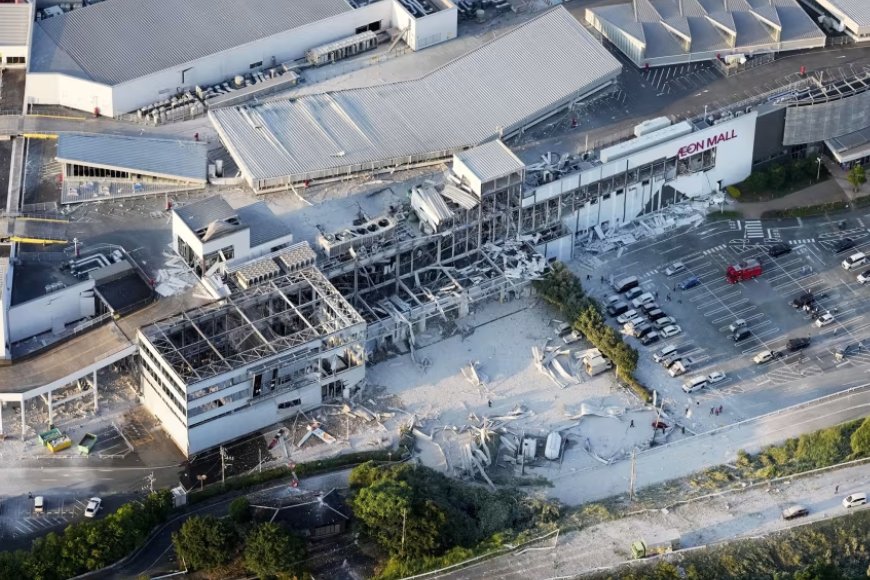
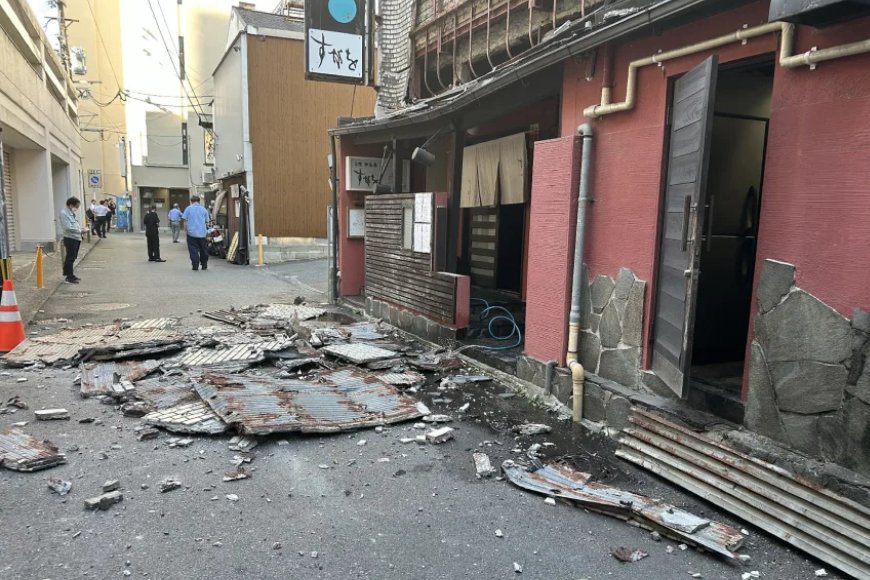
A powerful earthquake struck Japan, injuring at least 50 people and causing significant disruptions to power supply and transportation networks across the affected regions. The tremor, which was felt over a wide area, prompted authorities to launch emergency response operations as rescue teams, firefighters and medical personnel rushed to assist those impacted. While no immediate reports indicated catastrophic structural damage, officials warned that aftershocks remain possible and urged residents to remain alert.
The earthquake occurred during the day, sending residents rushing out of homes, offices and public buildings as the ground shook violently. Witnesses described moments of panic as buildings swayed and emergency alarms sounded across several cities. Although Japan's strict earthquake-resistant building standards helped minimise widespread destruction, several people sustained injuries while evacuating or due to falling objects inside buildings. Local hospitals reported treating dozens of people for cuts, bruises and other non-life-threatening injuries, while a few individuals were admitted with more serious conditions.
The quake also affected electricity supply, with power outages reported in several districts. Utility companies immediately began inspecting transmission lines, substations and other critical infrastructure to restore normal services as quickly as possible. Thousands of households experienced temporary blackouts, while authorities advised residents to conserve electricity until the power grid was fully stabilised. Emergency generators were activated at hospitals and other essential facilities to ensure uninterrupted services.
Japan's extensive transportation network also faced major disruption following the earthquake. Several bullet train (Shinkansen) services were temporarily suspended as a precaution while engineers inspected railway tracks, bridges and signalling systems for possible damage. Local train services in the affected areas were either delayed or cancelled, causing inconvenience to thousands of commuters. Road traffic was also impacted in some regions due to safety inspections and temporary closures of highways and bridges. Airports continued to monitor runway conditions, although no major damage was immediately reported to aviation infrastructure.
Government agencies activated emergency response mechanisms shortly after the quake. Disaster management teams coordinated with local administrations to assess the extent of the damage and ensure that emergency services reached affected communities without delay. Rescue personnel carried out inspections of residential buildings, commercial establishments and public infrastructure to identify any structural risks. Authorities also established temporary shelters in some locations for residents who were unable to return to their homes immediately due to safety concerns.
The Japan Meteorological Agency (JMA) monitored the seismic activity closely and warned that additional aftershocks could occur in the coming days. Residents in the affected regions were advised to stay away from damaged buildings, prepare emergency kits and follow official updates issued by local authorities. Although no large-scale tsunami warning was issued following the earthquake, coastal monitoring continued as part of standard safety procedures.
Japan is one of the world's most earthquake-prone countries due to its location along the Pacific Ring of Fire, where several major tectonic plates meet. The country experiences thousands of earthquakes every year, most of which are minor. However, Japan has invested heavily in earthquake-resistant infrastructure, advanced early warning systems and public preparedness programmes, significantly reducing the impact of many seismic events. Regular nationwide disaster drills and strict building regulations have played a crucial role in improving the country's resilience against earthquakes.
Experts noted that while Japan's preparedness has helped limit casualties, earthquakes of this magnitude continue to pose serious risks to public safety and critical infrastructure. Even when buildings remain structurally sound, falling debris, broken utility lines and transportation disruptions can create hazardous conditions. Engineers will continue detailed inspections over the coming days to ensure that bridges, railways, highways and public buildings remain safe for use before normal operations fully resume.
The earthquake also had an economic impact, with temporary interruptions to manufacturing, logistics and commercial activities in the affected areas. Some factories paused operations while safety inspections were conducted, and supply chains experienced minor delays due to disruptions in rail and road transport. Businesses and schools in certain districts remained closed for precautionary inspections as authorities worked to restore normalcy.
As emergency teams continue assessing the situation, the Japanese government has assured the public that all necessary resources are being deployed to support relief efforts and restore essential services. Utility providers are working to reconnect affected households to the power grid, while railway operators are gradually resuming services after completing safety inspections. Authorities have urged citizens to remain calm, stay informed through official channels and be prepared for possible aftershocks.
The latest earthquake serves as another reminder of Japan's constant battle with natural disasters and the importance of disaster preparedness. While the country's robust infrastructure and emergency response systems have once again helped reduce the impact, officials continue to monitor the situation closely to ensure public safety and minimise further disruptions in the days ahead.
What's Your Reaction?
 Like
0
Like
0
 Dislike
0
Dislike
0
 Love
0
Love
0
 Funny
0
Funny
0
 Angry
0
Angry
0
 Sad
0
Sad
0
 Wow
0
Wow
0