



























Trump's Iran Threats Could Drag US Into Another 'Forever War', Experts Warn
Donald Trump's increasingly aggressive rhetoric toward Iran has sparked fears that the United States could become entangled in another prolonged Middle East conflict. Analysts warn that escalating military action risks repeating the costly "forever wars" of the past.

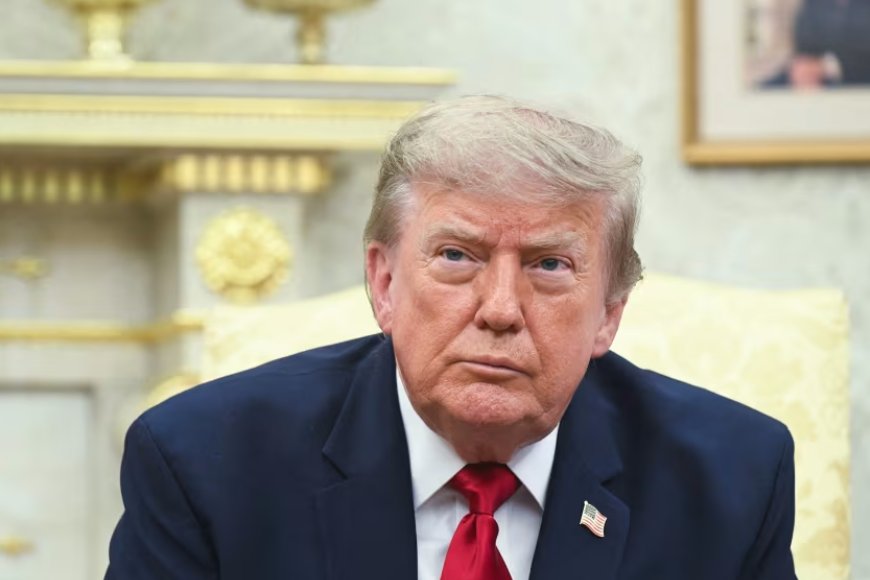
Trump's Tough Stance on Iran Raises Fears of Another Endless US Conflict
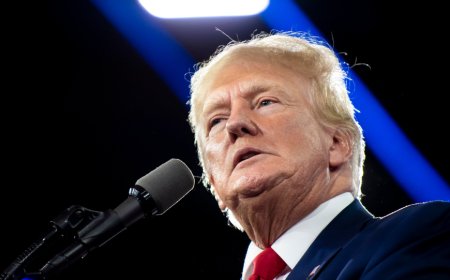
Former U.S. President Donald Trump is once again at the center of international attention after issuing strong warnings against Iran amid rising tensions in the Middle East. His recent remarks, coupled with expanded U.S. military operations in the region, have reignited concerns among foreign policy experts that Washington could be drawn into another prolonged and expensive conflict—often referred to as a "forever war."
The phrase "forever war" has been widely used in the United States to describe long-running military engagements such as those in Afghanistan and Iraq, where American forces remained deployed for years at enormous financial and human cost. Critics fear that the current trajectory of U.S.-Iran tensions could create similar conditions if diplomacy fails and military actions continue to escalate.
Escalating Tensions Between Washington and Tehran
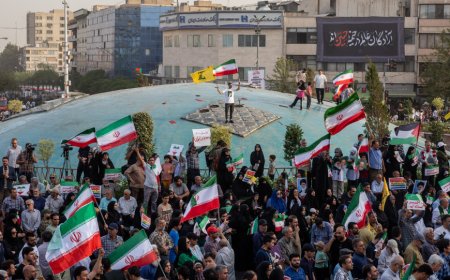
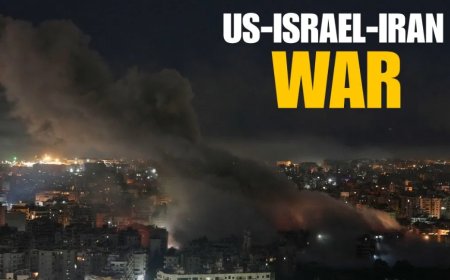
Relations between the United States and Iran have deteriorated sharply following a series of military strikes, retaliatory attacks, and increasingly hostile political statements.
The United States has accused Iran and its allied groups of threatening regional stability and targeting American military personnel and strategic interests across the Middle East. Iran, on the other hand, argues that its actions are defensive responses to U.S. military operations and continued American presence in the region.
With both sides exchanging warnings and military signals, fears of a wider regional confrontation have grown significantly.
Why Experts Are Concerned
Security analysts believe that military escalation rarely remains limited once direct confrontations begin.
Iran possesses an extensive network of regional allies and proxy groups operating across countries including Iraq, Syria, Lebanon, and Yemen. Any direct military confrontation between Washington and Tehran could therefore spread beyond the borders of the two countries, affecting multiple fronts simultaneously.
Experts warn that even limited military strikes could trigger retaliatory attacks, forcing further U.S. involvement and creating a cycle that becomes increasingly difficult to end.
The Meaning of a 'Forever War'
The term "forever war" describes military conflicts that continue for years without a clearly defined victory or exit strategy.
The United States spent nearly two decades in Afghanistan and many years conducting operations in Iraq. Those conflicts resulted in trillions of dollars in spending, thousands of military casualties, and long-term geopolitical consequences.
Many analysts argue that another open-ended confrontation in the Middle East would place significant pressure on U.S. military resources while creating fresh instability throughout the region.
Domestic Political Implications
The growing crisis also carries political implications inside the United States.
Trump has often campaigned on promises of avoiding unnecessary foreign wars while maintaining a strong military posture. Critics argue that increasingly aggressive military actions toward Iran could contradict those earlier positions if they evolve into a sustained conflict.
Supporters, however, contend that demonstrating military strength is necessary to deter Iran and protect American interests abroad.
The debate has once again divided political leaders, foreign policy experts, and security analysts over the best approach to dealing with Tehran.
Impact on the Middle East
A prolonged U.S.-Iran confrontation would likely affect the entire Middle East.
Countries hosting American military bases—including Bahrain, Qatar, Kuwait, Iraq, and the United Arab Emirates—could face increased security risks.
Shipping routes through the Persian Gulf and the Strait of Hormuz, one of the world's most important energy corridors, could also become vulnerable, potentially disrupting global oil supplies and international trade.
Global Economic Concerns
Financial markets closely monitor developments involving Iran because the Middle East remains central to global energy production.
Any prolonged military conflict could drive oil prices higher, increase transportation costs, and contribute to inflation worldwide.
Investors generally react cautiously during periods of geopolitical uncertainty, often shifting toward safer assets while reducing exposure to higher-risk markets.
Calls for Diplomacy
Many international leaders and diplomatic observers continue urging restraint from both Washington and Tehran.
They argue that direct negotiations and diplomatic engagement remain the most effective way to prevent further escalation and reduce the risk of a broader regional conflict.
International organizations have also emphasized the importance of protecting civilians and avoiding actions that could trigger a wider war.
What Comes Next?
The coming weeks are expected to be critical in determining whether tensions continue to escalate or shift toward diplomacy.
Much will depend on future military actions, political decisions in Washington and Tehran, and the willingness of regional and international actors to facilitate dialogue.
While military deterrence remains part of U.S. strategy, analysts warn that without a clear diplomatic path, the risk of a prolonged conflict could continue to grow.
Whether the current crisis becomes another chapter in America's long history of Middle East wars or is resolved through negotiation remains uncertain. For now, the international community is closely watching every move made by both Washington and Tehran.
What's Your Reaction?
 Like
0
Like
0
 Dislike
0
Dislike
0
 Love
0
Love
0
 Funny
0
Funny
0
 Angry
0
Angry
0
 Sad
0
Sad
0
 Wow
0
Wow
0