Middle East on Edge: US Continues Iran Strikes for Sixth Straight Day as Israel Conflict Intensifies
The already tense situation in the Middle East has entered a new and dangerous phase as the United States continues military operations against Iran for the sixth consecutive day. The latest wave of attacks has intensified the ongoing confrontation involving the US, Israel, and Iran, creating fears that the conflict could expand into a larger regional war.
The escalating crisis has drawn global attention as governments around the world closely monitor developments. With military actions continuing and strong statements being exchanged between Washington and Tehran, concerns are growing over the possibility of further escalation in one of the world’s most sensitive geopolitical regions.
The conflict began after a sharp increase in tensions between Israel and Iran, followed by military actions involving the United States. Washington has stated that its operations are aimed at weakening Iran’s military capabilities and preventing threats against its allies. However, Tehran has strongly condemned the attacks and warned of consequences if strikes continue.
For the sixth consecutive day, US forces carried out attacks targeting Iranian military-related locations. The continued operations mark one of the most serious confrontations between Washington and Tehran in recent years. The situation has also increased pressure on diplomatic efforts aimed at preventing the crisis from spreading further.
Israel has remained a central player in the conflict, as its long-running tensions with Iran have intensified. The two countries have been involved in years of strategic rivalry, with disagreements over regional influence, military capabilities, and security concerns. The latest developments have pushed their confrontation into a more dangerous phase.
Iran has responded aggressively to the attacks, warning that it will defend itself against what it describes as foreign aggression. Iranian officials have stated that continued military action could lead to broader consequences and have suggested that their response would involve strategic measures.
The possibility of a wider regional conflict has become one of the biggest concerns for the international community. The Middle East is home to important energy routes, including the Strait of Hormuz, through which a significant portion of global oil shipments passes. Any major disruption in the region could affect international energy markets and the global economy.
The United States has increased its military presence in the region, with American forces positioned at strategic locations. Washington has maintained that its objective is to protect its interests and allies while reducing threats from Iranian military capabilities.
Meanwhile, Iran has continued to strengthen its defensive posture and has warned neighboring countries against supporting US military operations. The situation has created diplomatic challenges for countries trying to maintain relations with both Washington and Tehran.
The conflict has also created uncertainty among civilians living in affected areas. Reports of military strikes and security alerts have increased concerns among residents, while humanitarian organizations have warned about the potential impact on ordinary people.
International leaders have called for restraint and urged both sides to avoid actions that could trigger a larger war. Several countries have emphasized the importance of diplomatic solutions and warned that continued escalation could have serious consequences beyond the region.
The United Nations and other global organizations have been closely watching the developments. Diplomats are working to encourage dialogue, but the ongoing military actions have made negotiations increasingly difficult.
The role of the United States in the conflict has become a major topic of international debate. Supporters of Washington’s actions argue that military pressure is necessary to counter Iranian threats, while critics warn that continued strikes could create a prolonged conflict similar to previous Middle East wars.
Experts have described the situation as highly unpredictable. While neither side may want a full-scale war, miscalculations or accidental escalation could quickly change the situation. Military confrontations often carry risks that are difficult to control once they begin.
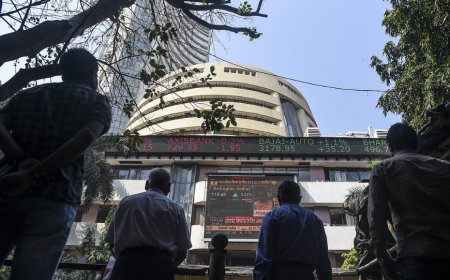
The crisis has also affected global markets. Investors are closely watching developments as uncertainty over oil supplies and regional stability increases. Energy prices, shipping routes, and international trade could face challenges if the conflict continues to expand.
For Iran, the conflict represents a major test of its military strategy and regional influence. Tehran has repeatedly stated that it will not surrender under pressure and has promised to respond to attacks.
For Israel, the focus remains on national security and preventing threats from Iran. Israeli officials have argued that Iran’s military activities pose a serious danger and that strong measures are necessary to protect the country.
For the United States, the challenge lies in achieving military objectives while avoiding a prolonged conflict. Previous US military engagements in the Middle East have shown how difficult it can be to achieve long-term stability after military intervention.
The coming days are expected to be crucial. Any further attacks, retaliation, or diplomatic breakthroughs could significantly change the direction of the conflict. The world is watching closely as leaders make decisions that could shape the future security landscape of the Middle East.
The Iran-US-Israel confrontation has once again highlighted the fragile balance of power in the region. What started as escalating tensions has now become a major international crisis involving military, economic, and diplomatic consequences.
As US strikes on Iran continue for the sixth straight day, fears of a wider Middle East war are growing. The next moves by Washington, Tehran, and Jerusalem could determine whether the crisis moves toward negotiation or deeper conflict.

























 Like
0
Like
0
 Dislike
0
Dislike
0
 Love
0
Love
0
 Funny
0
Funny
0
 Angry
0
Angry
0
 Sad
0
Sad
0
 Wow
0
Wow
0