


































Galápagos Rail Rediscovered After Nearly 200 Years | Conservation Triumph
The Galápagos rail, a bird species last seen on Floreana Island in 1835, has been rediscovered on the island after nearly two centuries, highlighting conservation success in the Galápagos. Learn how researchers found it and what it means for biodiversity.

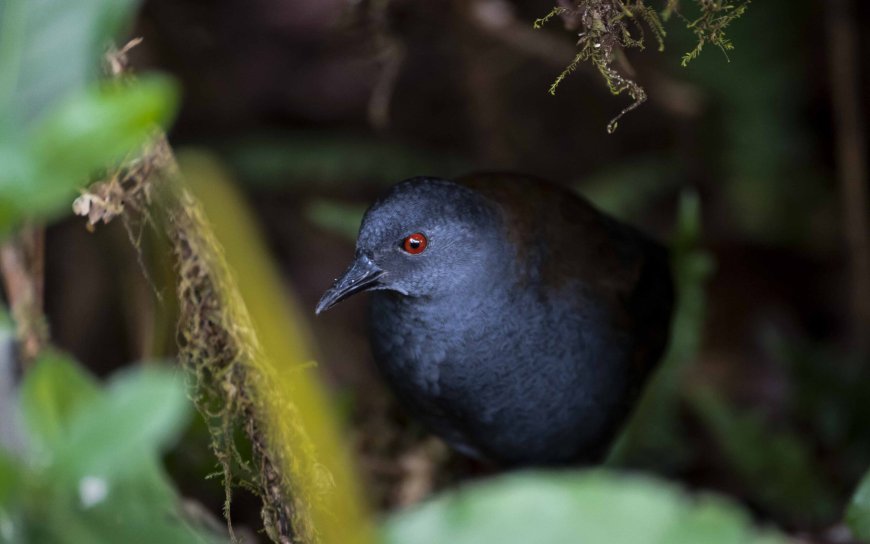
Floreana Island, Galápagos — In a remarkable conservation breakthrough, scientists and field researchers have rediscovered the Galápagos rail — a bird species that had not been seen on Floreana Island for nearly 200 years since the time of Charles Darwin’s historic visit in 1835.
The small, secretive bird was long thought to be locally extinct on Floreana, one of the inhabited islands of the Galápagos Archipelago. Darwin himself recorded sightings of this rail species during his pivotal voyage that contributed to the theory of evolution. However, after disappearing from records for nearly two centuries, the species’ presence on the island had become a celebrated mystery among ornithologists and conservationists — until now.
Recent field expeditions on Floreana Island, part of ongoing biodiversity assessments by conservation groups and researchers, documented the rail’s return. Scientists recorded multiple acoustic detections, confirmed visual sightings, and photographic evidence of the birds in at least three distinct sites across the island.
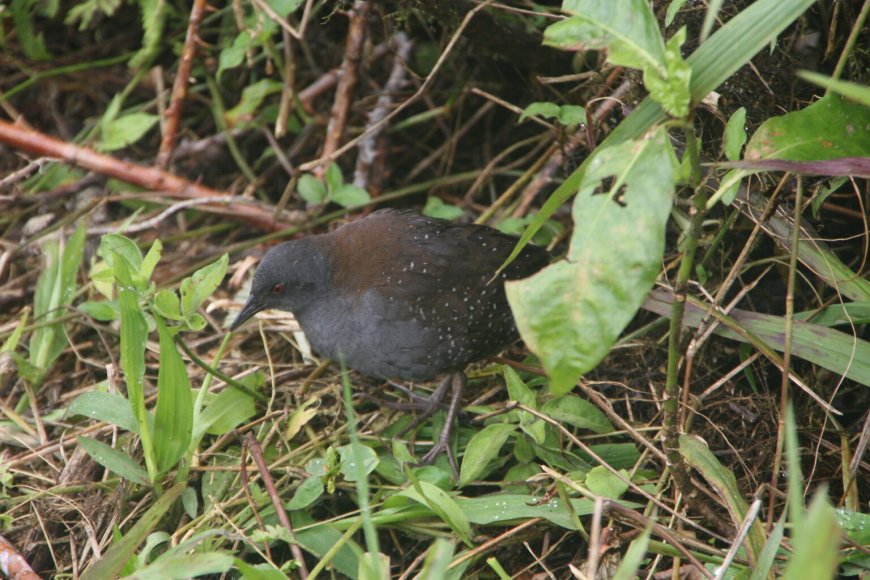
This rediscovery marks the first confirmed evidence of the Galápagos rail’s presence on Floreana since Darwin’s observations nearly two centuries ago, making it a significant milestone in conservation science.
The Galápagos rail (Laterallus sp.), also known locally as “Pachay,” is a small, ground-dwelling bird endemic to the Galápagos Islands. Rails play an important ecological role in island ecosystems, helping to control insect populations and contributing to nutrient cycling through their foraging activities.
Island species — especially flightless or ground-dwelling birds — are particularly vulnerable to threats such as invasive predators, habitat loss, and human disturbance. In many regions worldwide, rail species have suffered declines or extinctions for these very reasons. The rediscovery underscores how delicate yet resilient these ecosystems can be when given a chance to recover.
The Galápagos Islands are a global symbol of evolutionary science and biodiversity, famed for their unique array of wildlife and the role they played in Charles Darwin’s work. However, the islands’ isolated ecosystems have also been threatened historically by invasive species such as rats, cats, and goats, which have decimated native bird populations and other wildlife in the 19th and 20th centuries. Ongoing conservation and restoration efforts aim to remove invasive predators, protect native habitats, and support species’ long-term survival.
Projects on other islands have demonstrated how ecosystems can rebound when threats are managed — including reintroducing species that had disappeared locally and seeing them establish thriving populations once again.
Experts see the rail’s rediscovery as a hopeful sign that Galápagos conservation strategies are working, even for species that have appeared lost to history. It also provides a rare opportunity to study how native animals can persist or return despite long periods of absence, offering valuable insights for biodiversity preservation worldwide.
Researchers will continue to monitor the rail population and expand surveys to better understand its distribution, behavior, and habitat needs on Floreana Island, helping inform future conservation actions.
What's Your Reaction?
 Like
0
Like
0
 Dislike
0
Dislike
0
 Love
0
Love
0
 Funny
0
Funny
0
 Angry
0
Angry
0
 Sad
0
Sad
0
 Wow
0
Wow
0