


































Drones Sniff Out a Deadly Virus in Arctic Whales’ Breath, Scientists Reveal
Scientists using drones to sample whale breath have detected the dangerous cetacean morbillivirus above the Arctic Circle for the first time. This breakthrough non-invasive method could transform health surveillance for whales in a changing climate.

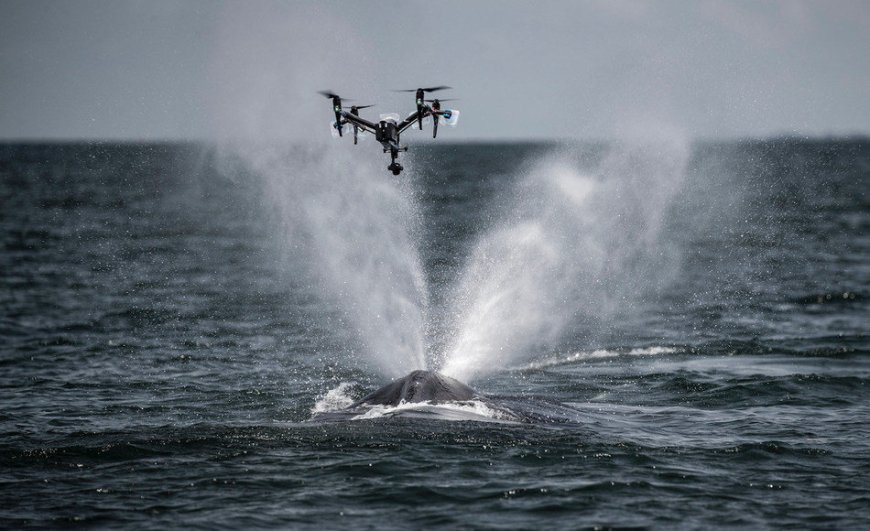
Scientists have made a groundbreaking discovery in marine biology and conservation by using unmanned aerial drones to collect respiratory samples from whales in Arctic waters, leading to the first confirmed detection of cetacean morbillivirus — a highly infectious and potentially deadly virus — among whale populations above the Arctic Circle.
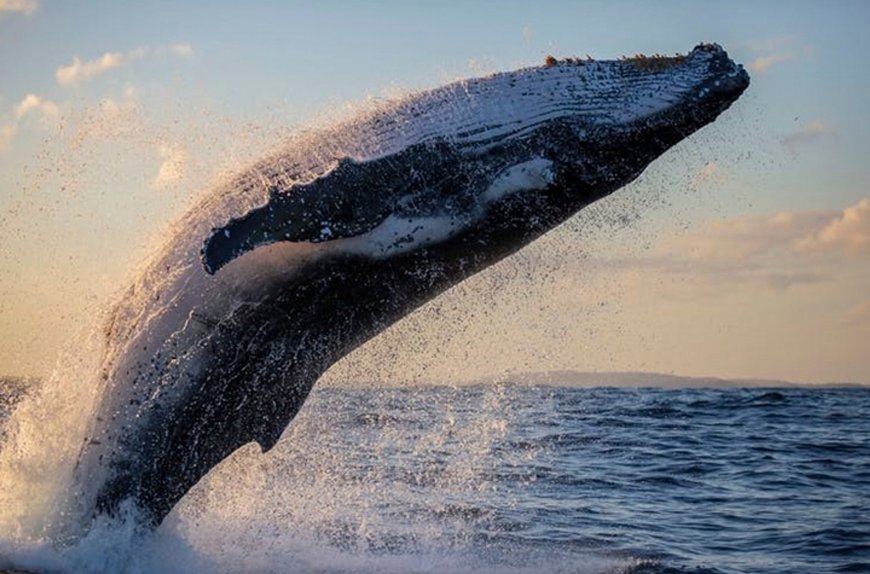
Researchers from King’s College London, Nord University, the Royal (Dick) School of Veterinary Studies, and other institutions deployed drones equipped with sterile Petri dishes to fly through the exhaled “blow” of humpback, sperm, and fin whales in northern Norway and surrounding regions. These drones collected tiny droplets emitted through whale blowholes, allowing scientists to capture critical respiratory data without disturbing the animals.
Breakthrough Detection of Cetacean Morbillivirus
The aerial sampling revealed that cetacean morbillivirus, often described as the “measles of the ocean,” is circulating among large whale species in the Arctic and Northeast Atlantic for the first time on record. This virus is known to cause severe respiratory, neurological, and immune system damage in cetaceans—including whales, dolphins, and porpoises—and has been linked to mass stranding events and population declines globally.
Unlike previous methods that required more invasive procedures, the drone blow sampling technique offers a non-invasive and efficient way to monitor whale health and detect pathogens, improving researchers’ ability to track infectious diseases in vulnerable marine ecosystems.
Implications for Conservation and Climate Change
Scientists say this innovation in drone technology could be a game-changer for marine conservation, especially as climate change alters the distribution, migration, and stress levels of whale populations. Environmental shifts in the Arctic—such as increasing water temperatures and reduced sea ice—may influence the spread and impact of pathogens like morbillivirus, making reliable health surveillance more important than ever.
The researchers also identified herpesviruses in some whales, though they did not detect other common pathogens such as avian influenza virus or Brucella in the samples they examined.
Non-Invasive Drone Technology for Wildlife Health
This study highlights the growing role of drone technology in wildlife disease monitoring. By hovering above a whale’s blowhole and capturing microscopic droplets from the exhaled air, drones can gather critical biological data while minimizing stress and risk to the animals themselves. Experts say that expanding this approach could help establish long-term surveillance programs to safeguard whale populations and detect emerging health threats early.
What's Your Reaction?
 Like
0
Like
0
 Dislike
0
Dislike
0
 Love
0
Love
0
 Funny
0
Funny
0
 Angry
0
Angry
0
 Sad
0
Sad
0
 Wow
0
Wow
0