













Bulgaria PM Zhelyazkov Resigns After Massive Protests Over Corruption and Budget Crisis
Bulgarian Prime Minister Rosen Zhelyazkov resigned amid massive nationwide protests over corruption and controversial budget plans, days before the country joins the eurozone, as political instability grips the Balkan nation.

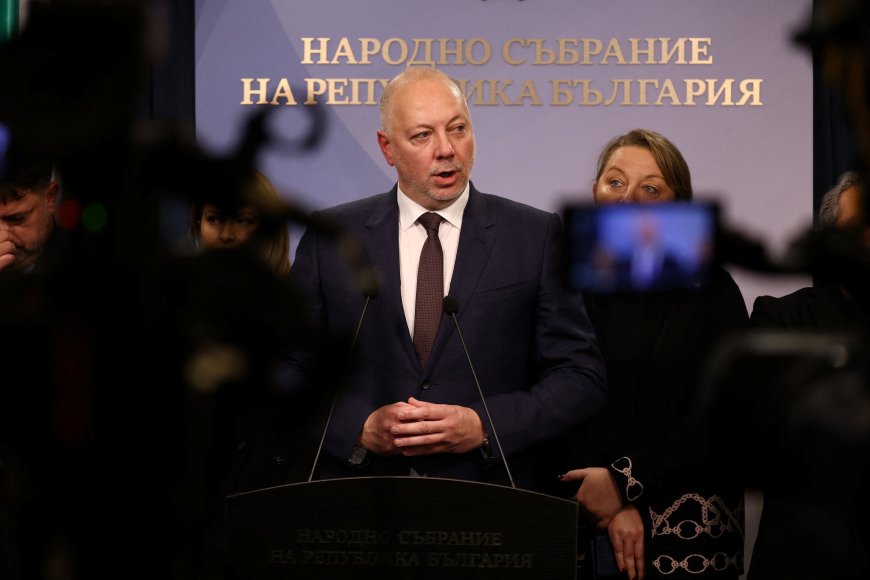
Bulgarian Prime Minister Rosen Zhelyazkov announced his resignation on Thursday, stepping down along with his government after weeks of nationwide protests over corruption allegations and controversial economic policies, just weeks before the country is due to adopt the euro as its currency on January 1, 2026.
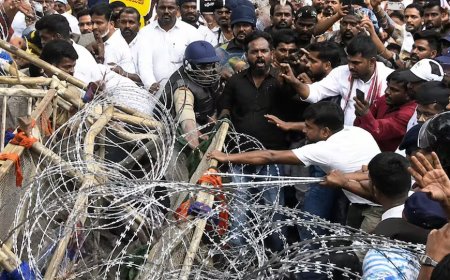
The decision came ahead of a scheduled parliamentary no-confidence vote and followed tens of thousands of protesters who rallied across Sofia and other major cities demanding the government’s departure. Many demonstrators voiced deep frustration with the administration’s perceived failure to address corruption and rising living costs, issues that have galvanized civic anger in the EU’s poorest member state.
Protests and Political Pressure
The unrest began in late November after the government’s draft 2026 budget—the first to be prepared in euros—proposed tax increases and higher social security contributions, sparking widespread public opposition. Although the government later withdrew the budget, demonstrations continued, growing in size and intensity.
Protesters criticized entrenched political influence and alleged corruption involving powerful figures, including controversial oligarch Delyan Peevski, whose influence behind the scenes has been a focus of public ire
Resignation and Reactions
In his televised statement, Zhelyazkov said he was resigning because “power only makes sense when it reflects the will of the citizenry,” acknowledging the strength of the public movement.
The resignation marks the end of a coalition government formed earlier this year, which included major parties such as GERB and the Bulgarian Socialist Party along with other smaller groups. The move comes as President Rumen Radev has already called for a new government or early elections, underscoring the political uncertainty ahead.
Bulgaria has endured several parliamentary elections in recent years and struggled with recurring instability, and this latest government had survived multiple no-confidence votes before its collapse. Analysts warn that the resignation could usher in further political turbulence just as the nation prepares for a major economic shift with eurozone entry.
As the government exits, consultations on forming a new administration will begin, with the possibility of snap elections if no coalition can secure a majority.
What's Your Reaction?
 Like
0
Like
0
 Dislike
0
Dislike
0
 Love
0
Love
0
 Funny
0
Funny
0
 Angry
0
Angry
0
 Sad
0
Sad
0
 Wow
0
Wow
0