



























“Subansiri Lower Hydroelectric Project: Key Concerns, Advantages, and Regional Impact”
Explore the key advantages, environmental concerns, and regional impact of the Subansiri Lower Hydroelectric Project on the Subansiri River at the Assam–Arunachal Pradesh border.

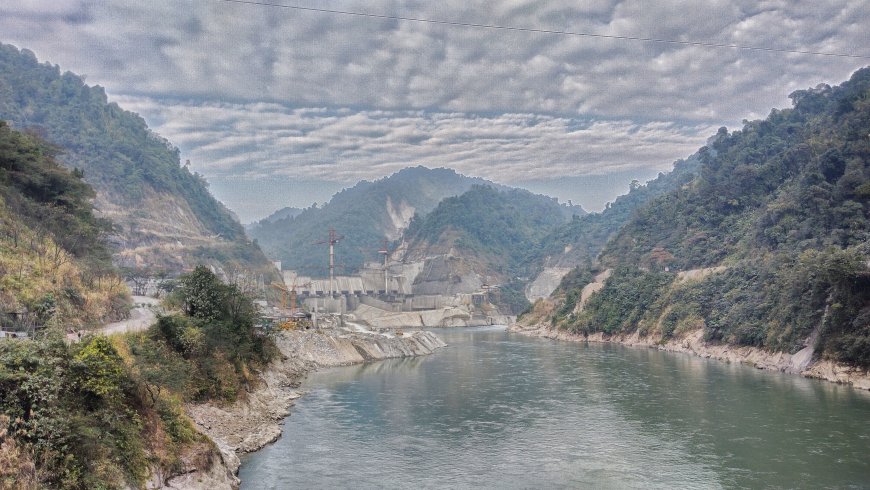
The Subansiri Lower Hydroelectric Project (SLHEP), located on the Subansiri River at the Assam–Arunachal Pradesh border in India, is one of the country’s most ambitious hydroelectric ventures. With an installed capacity of 2,000 MW, the project is expected to significantly strengthen India’s renewable energy infrastructure. However, its journey has been marked by prolonged delays, environmental concerns, and socio-political debates.
Initiated by NHPC, the Subansiri Lower project is designed as a concrete gravity dam measuring 116 meters high. Its strategic location in the Himalayan foothills helps tap the hydropower potential of the Subansiri, one of the largest tributaries of the Brahmaputra. Once fully operational, the project aims to supply clean electricity to northeastern and eastern Indian states, contributing to national energy security.
Advantages of the Subansiri Lower Project
Major Boost to Renewable Energy
Producing 2,000 MW of hydropower, SLHEP will significantly increase India’s non-fossil energy capacity, supporting national climate commitments.
Stable, Long-Term Power Supply
Hydropower offers reliable baseload energy. The project will help reduce power shortages in the Northeast and improve grid stability.
Regional Development
The project is expected to create employment opportunities, Improve local infrastructure (roads, bridges, connectivity), Boost service and allied sectors
Flood Moderation Potential
Although not primarily designed for flood control, the dam can help moderate sudden water surges during monsoon periods, offering localized benefits to downstream areas.
Reduced Dependence on Fossil Fuels
With growing concerns about thermal power emissions, SLHEP contributes to cleaner energy generation and a reduced carbon footprint.
Concerns Surrounding the Project
Environmental Impact on the Subansiri–Brahmaputra Ecosystem
Environmental groups warn of potential changes in river flow. Threats to aquatic species, especially migratory fish, increased riverbank erosion downstream, and the Brahmaputra basin is ecologically fragile, raising fears of long-term habitat loss.
Seismic Vulnerability
The area lies in Seismic Zone V, one of the most earthquake-prone regions in India. Critics argue that a large dam in such an area poses structural risks, especially during high-magnitude earthquakes.
Downstream Impact on Assam
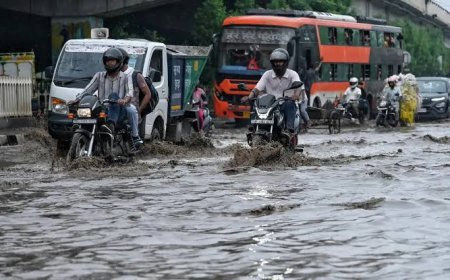
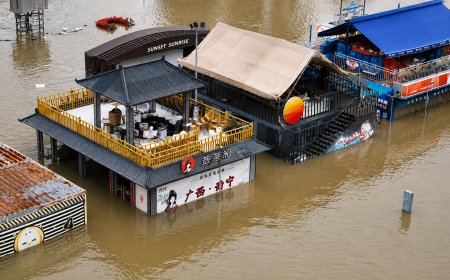
Assamese organizations, including AASU and environmentalists, have expressed concern about sudden water releases, risk of flash floods, and the Impact on agriculture, fisheries, and livelihoods.
4. Concerns About Siltation and Dam Safety
The Subansiri carries a heavy silt load. Long-term silt accumulation could, reduce reservoir efficiency, increase pressure on dam structures, affect downstream sediment flow essential for fertile floodplains
5. Social & Cultural Impacts
Displacement, Loss of traditional river-based livelihoods, Cultural impacts on indigenous groups in Arunachal Pradesh
Cost Escalation & Delays
Decade-long protests, design revisions, and litigation have led to substantial cost overruns, increasing the project’s financial burden.
The Subansiri Lower Hydroelectric Project represents a powerful example of India’s push toward clean energy and regional development. Yet, it also highlights the delicate balance required between infrastructure growth and ecological preservation. The challenge ahead lies in ensuring that the project operates safely, sustainably, and with considerations for both environmental stability and local community welfare.
What's Your Reaction?
 Like
0
Like
0
 Dislike
0
Dislike
0
 Love
0
Love
0
 Funny
0
Funny
0
 Angry
0
Angry
0
 Sad
0
Sad
0
 Wow
0
Wow
0