































Invasive Mosquito Risks India’s 2030 Malaria Elimination Goal
An invasive mosquito species that thrives in urban environments is posing a growing challenge to India’s malaria elimination strategy, as health officials warn that it could slow progress toward the 2030 target.

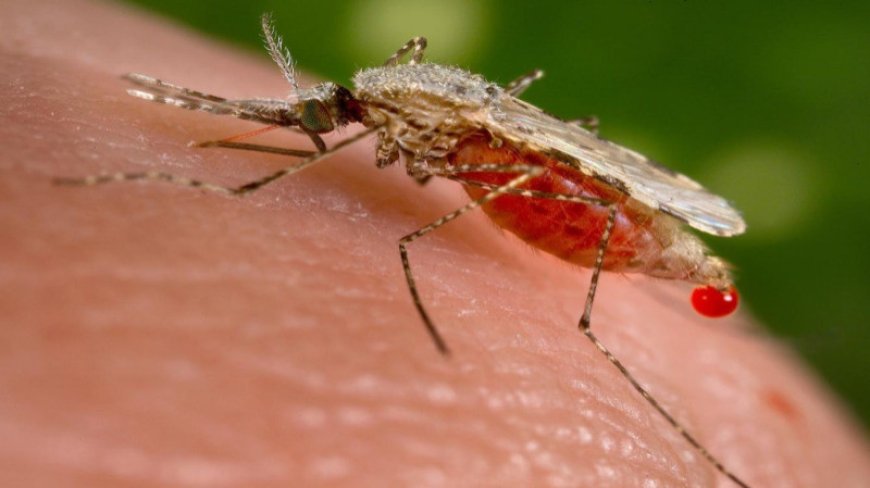
India has made remarkable progress in reducing malaria cases over the past decade, but new challenges are emerging that could complicate its ambitious goal of eliminating the disease by 2030. Among the most concerning is the rise of an invasive mosquito species, Anopheles stephensi, which thrives in urban areas and poses a growing threat to malaria control efforts.
Unlike many traditional malaria vectors that are most active in rural or forested regions, Anopheles stephensi has adapted to urban environments, breeding in artificial water containers, overhead tanks, and other human‑made habitats. This adaptability allows it to flourish in cities—a setting where malaria transmission was once less common—raising concerns among public health experts that densely populated urban populations could increasingly be at risk.
India’s National Framework for Malaria Elimination 2016–2030 set a clear target for the country to interrupt indigenous transmission and achieve malaria elimination nationwide by 2030. While overall malaria cases have dropped substantially in recent years, persistent pockets of transmission remain, particularly in the northeast and eastern states such as Odisha, and the threat of urban transmission adds a new layer of complexity to elimination efforts.
Health officials are also contending with other obstacles, including asymptomatic infections that go undetected and cross‑border transmission from neighboring countries. But the ability of Anopheles stephensi to reproduce and transmit malaria parasites in city environments means that urban centers—home to rapidly growing populations—could become hotspots for ongoing transmission if vector control measures are not strengthened.

The situation mirrors concerns seen in other parts of the world. In African nations such as Djibouti, Anopheles stephensi has been linked to resurgences of urban malaria after periods of low transmission, illustrating how quickly urban malaria can re‑establish in settings previously considered low risk.
To meet the 2030 elimination goal, public health authorities are emphasizing the need for enhanced surveillance, improved vector control strategies tailored for urban settings, and stronger community engagement to eliminate breeding sites. Continued investment in these areas will be critical to ensure that gains made in rural areas are not offset by rising risks in cities.
What's Your Reaction?
 Like
0
Like
0
 Dislike
0
Dislike
0
 Love
0
Love
0
 Funny
0
Funny
0
 Angry
0
Angry
0
 Sad
0
Sad
0
 Wow
0
Wow
0