

















“From Bustling to Broken: India’s Big Cities Turn Unlivable”
India’s largest cities are grappling with pollution, overcrowding, poor infrastructure, and climate stress, making them increasingly unlivable. Explore the causes, impacts, and possible solutions.

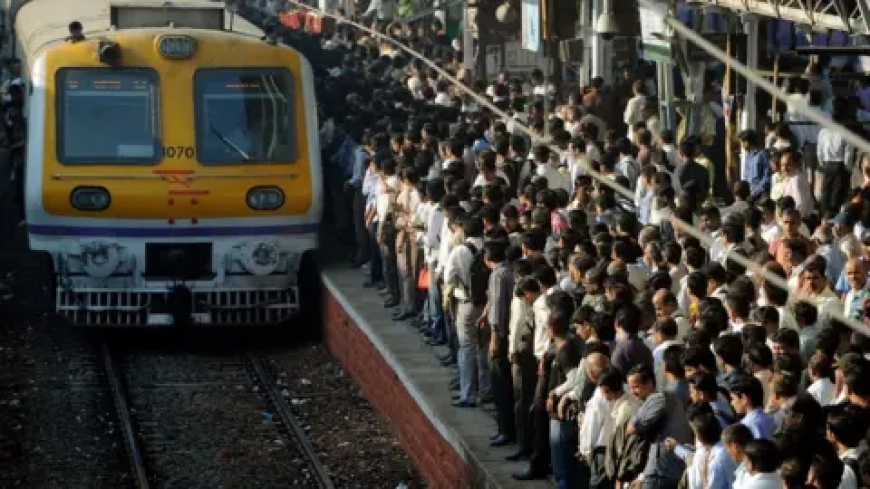
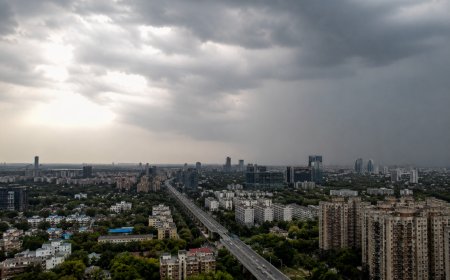
New Delhi / Mumbai / Bangalore — India’s largest cities, once celebrated as hubs of commerce, culture, and innovation, are now facing a harsh reality: they are becoming increasingly unlivable. Rapid urbanization, environmental degradation, and strained infrastructure have combined to push cities like Delhi, Mumbai, Bangalore, and Kolkata toward a tipping point.
Air Pollution and Health Hazards
Air pollution remains one of the most urgent challenges.
-
Delhi consistently ranks among the most polluted cities in the world, with PM2.5 levels frequently exceeding 300 µg/m³, far above the World Health Organization’s safe limit of 15 µg/m³.
-
Health impacts include respiratory diseases, cardiovascular problems, and reduced life expectancy, with studies estimating over 1.2 million deaths in India annually due to air pollution.
Smog, industrial emissions, and vehicle exhaust combine with seasonal crop burning in neighboring states to worsen the crisis.
Overcrowding and Housing Stress
India’s urban population has grown dramatically over the last two decades:
-
In 2000, about 28% of India’s population lived in cities; today, it’s over 35%, with projections to exceed 40% by 2030.
-
Mega-cities like Mumbai and Bangalore face severe housing shortages, forcing millions into slums and informal settlements lacking basic sanitation and clean water.
-
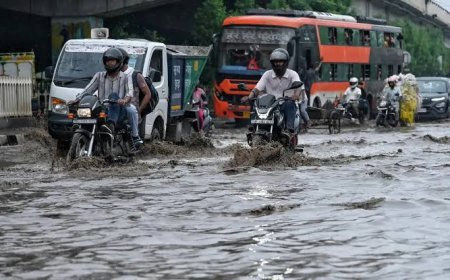
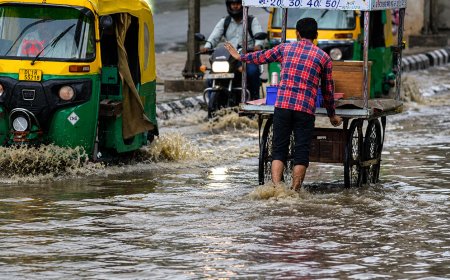
Infrastructure, including roads, public transport, and sewage systems, is struggling to keep pace with population growth, causing traffic congestion, long commutes, and frequent urban flooding.
Climate Change and Environmental Stress
Indian cities are increasingly vulnerable to climate-induced threats:
-
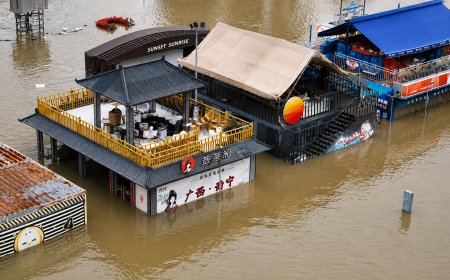
Mumbai and Kolkata face annual flooding due to rising sea levels and poor drainage systems.
-
Heatwaves in Delhi and Hyderabad regularly push temperatures beyond 45°C, threatening health and productivity.
-
Urban heat islands, caused by concrete sprawl and reduced greenery, exacerbate extreme heat impacts.
Socioeconomic Pressures
The combination of high living costs, pollution, and inadequate infrastructure is pushing citizens to reconsider city life:
-
Healthcare and education access remain unequal, particularly in rapidly expanding urban slums.
-
Economic opportunities, while abundant, are increasingly matched by high housing costs, commuting times, and stress, creating a declining quality of life.
Potential Solutions
Experts argue that reversing this trend will require urgent and coordinated action:
-
Green Urban Planning: Expand parks, green belts, and urban forests to reduce heat and improve air quality.
-
Sustainable Transport: Enhance public transit, adopt electric vehicles, and reduce reliance on private cars.
-
Pollution Control: Stricter emission norms, better waste management, and reducing industrial pollutants.
-
Affordable Housing: Invest in sustainable, inclusive housing projects to reduce slum populations.
-
Climate Resilience: Upgrade drainage systems, build flood defenses, and implement heatwave preparedness programs.
India’s bustling metropolises have long been engines of economic growth and cultural vibrancy. But without urgent reforms and sustainable planning, they risk transforming from centers of opportunity into unlivable urban nightmares. The time to act is now — or future generations may inherit cities that are more hazardous than habitable.
What's Your Reaction?
 Like
0
Like
0
 Dislike
0
Dislike
0
 Love
0
Love
0
 Funny
0
Funny
0
 Angry
0
Angry
0
 Sad
0
Sad
0
 Wow
0
Wow
0