



















Influencers Outshine TV Stars in Lock Upp 2: Why the Reality Show’s Casting Strategy Has Completely Changed
Lock Upp 2 is witnessing a major shift in its contestant lineup, with social media influencers taking center stage over traditional television celebrities. The move reflects changing audience preferences, digital engagement trends, and the growing influence of content creators in India's entertainment industry.

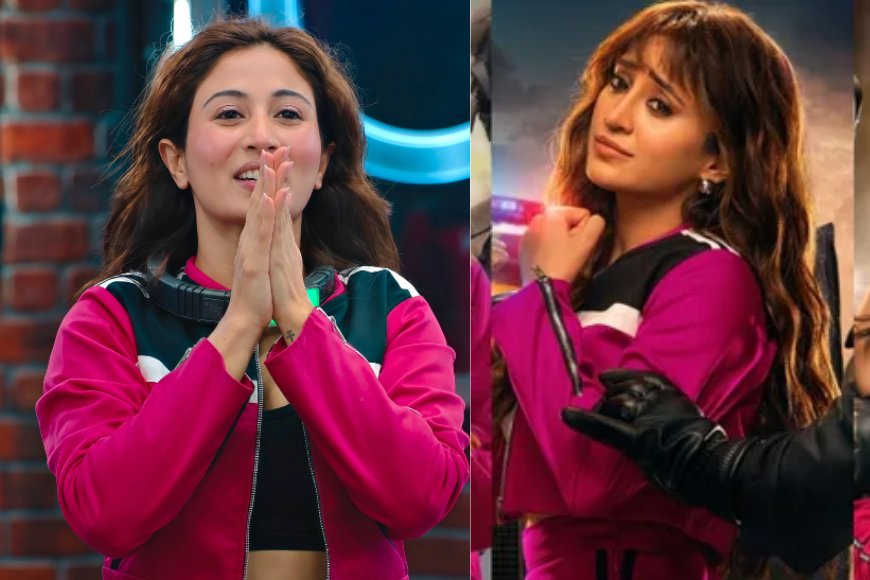
The second season of Lock Upp marks a significant transformation in India's reality television landscape, as social media influencers have emerged as the biggest attraction, overshadowing many established television stars. Once dominated by actors from popular daily soaps and reality shows, the latest season now reflects a clear industry shift toward digital creators who command massive followings across platforms such as Instagram, YouTube, and Snapchat.
This change is not merely a casting experiment—it is a strategic decision driven by evolving audience behavior, changing content consumption patterns, and the growing commercial value of influencers in the digital age.
Reality shows have traditionally relied on television actors to attract viewers. Familiar faces from long-running serials often guaranteed strong Television Rating Points (TRPs), while their fan bases translated into consistent audience engagement. However, over the past few years, the entertainment industry has witnessed a dramatic shift as younger viewers increasingly spend more time on social media platforms than on conventional television.
As a result, reality show producers have begun looking beyond television celebrities and focusing on digital personalities who enjoy direct and highly interactive relationships with millions of followers.
Season 2 of Lock Upp appears to embrace this transformation wholeheartedly. Contestants from the influencer ecosystem have become central to the show's promotional campaigns, online discussions, and fan engagement. Their followers actively participate through voting campaigns, trending hashtags, reaction videos, memes, livestreams, and fan edits, generating organic publicity that extends far beyond traditional television audiences.
Unlike television actors, influencers build their popularity through daily interactions with followers. Whether sharing lifestyle content, comedy sketches, fitness routines, fashion advice, gaming streams, or vlogs, they cultivate communities that feel personally connected to them. This relationship often translates into stronger audience loyalty when influencers participate in competitive reality shows.
For producers, this offers a major advantage. Every contestant effectively becomes a marketing channel capable of promoting the show to millions of existing followers. Instead of relying solely on television advertisements, Lock Upp 2 benefits from continuous digital promotion generated by its own participants.
Another reason behind this shift is the changing definition of celebrity. A decade ago, television actors and Bollywood stars dominated popular culture. Today, however, creators with millions of subscribers on YouTube or followers on Instagram can generate engagement levels comparable to mainstream celebrities.
Brands have also recognized this transition. Influencer marketing has become one of the fastest-growing advertising segments, with companies increasingly collaborating with digital creators for product promotions. Reality shows naturally seek contestants who already possess strong commercial appeal and established online influence.
The format of Lock Upp itself is particularly suited to influencer participation. The show thrives on controversy, personal revelations, emotional storytelling, social media debates, and audience interaction. Influencers, who are already accustomed to sharing aspects of their personal lives online, often adapt more naturally to this environment.
Their ability to create viral moments further enhances the show's digital visibility. Clips from arguments, emotional breakdowns, humorous interactions, and strategic gameplay quickly circulate across social media platforms, generating millions of views and attracting new audiences who may not regularly watch television.
Meanwhile, several television stars participating in the show face a different challenge. Although many possess years of acting experience and loyal television audiences, their social media presence is often smaller compared to leading influencers. Consequently, they may receive less online attention despite performing strongly inside the competition.
This does not necessarily indicate a decline in television talent. Instead, it reflects changing audience habits. Younger viewers increasingly consume short-form videos, livestreams, podcasts, and creator-driven content rather than daily television serials. Entertainment companies are adapting accordingly by selecting contestants who can capture attention across multiple digital platforms.
Industry experts believe that the future of reality television will likely involve a balanced mix of influencers, television actors, athletes, entrepreneurs, musicians, and internet personalities. Diversity in contestant backgrounds creates richer storytelling while expanding the show's reach to different audience segments.
Another notable factor is audience participation. Digital creators encourage followers to actively support them through voting campaigns, comments, reposts, and online discussions. This continuous engagement keeps the show trending throughout the season rather than only during broadcast hours.
Streaming platforms have further accelerated this transition. Many viewers now consume reality shows through OTT services instead of traditional television broadcasts. Since OTT audiences are generally younger and digitally active, casting influencers aligns well with changing viewing preferences.
However, the growing dominance of influencers has also sparked debate. Some viewers argue that experienced television actors bring stronger emotional depth, discipline, and performance skills developed over years in the entertainment industry. Others believe influencer-heavy casting risks prioritizing online popularity over genuine talent.
Supporters of the new approach counter that influencers represent modern entertainment culture. Their ability to connect authentically with audiences, adapt quickly to new content formats, and generate viral engagement makes them valuable additions to reality television.
Ultimately, Lock Upp 2 illustrates how India's entertainment industry is evolving. The boundaries between television, digital media, and social networking continue to blur, creating new opportunities for creators from diverse backgrounds.
Whether television stars reclaim the spotlight as the season progresses or influencers continue to dominate audience conversations remains to be seen. What is clear, however, is that casting strategies are no longer determined solely by television fame. Digital influence, audience engagement, and online visibility have become equally important metrics in today's competitive entertainment landscape.
As reality television continues to evolve alongside changing consumer habits, Lock Upp 2 serves as a compelling example of how digital creators are reshaping mainstream entertainment. The show's success may influence future reality programs, encouraging producers to increasingly prioritize contestants with strong online communities and cross-platform appeal.
The competition inside the house may ultimately determine the winner, but outside the house, the battle between influencers and television stars symbolizes a much larger transformation occurring across India's media and entertainment industry.
What's Your Reaction?
 Like
0
Like
0
 Dislike
0
Dislike
0
 Love
0
Love
0
 Funny
0
Funny
0
 Angry
0
Angry
0
 Sad
0
Sad
0
 Wow
0
Wow
0