
















CJP Protest Live: ‘No One Can Stop Us from Reaching Parliament,’ Abhijeet Dipke’s Bold Declaration Ahead of Protest March
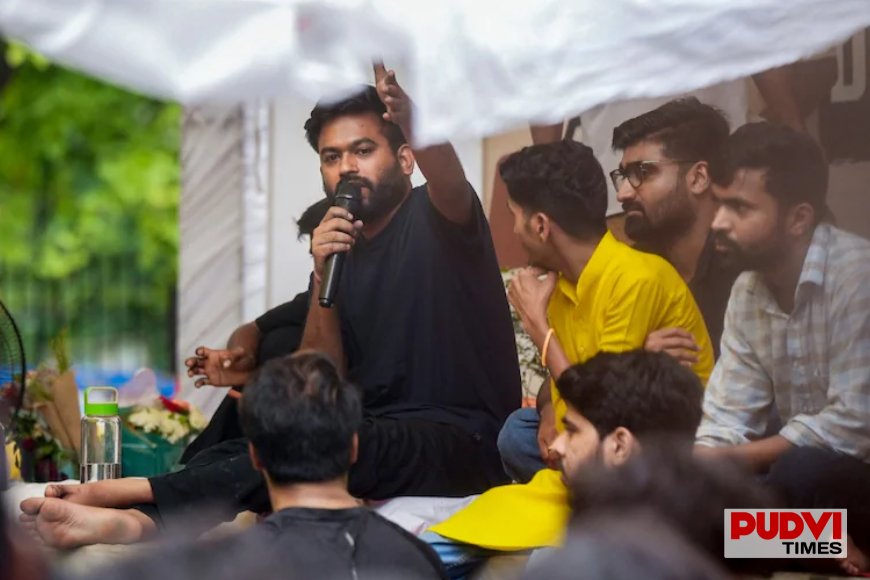
Ahead of the CJP's proposed march to Parliament in New Delhi, senior leader Abhijeet Dipke declared that no one could stop protesters from exercising their democratic right to reach Parliament. The statement comes as security has been significantly tightened across the national capital.

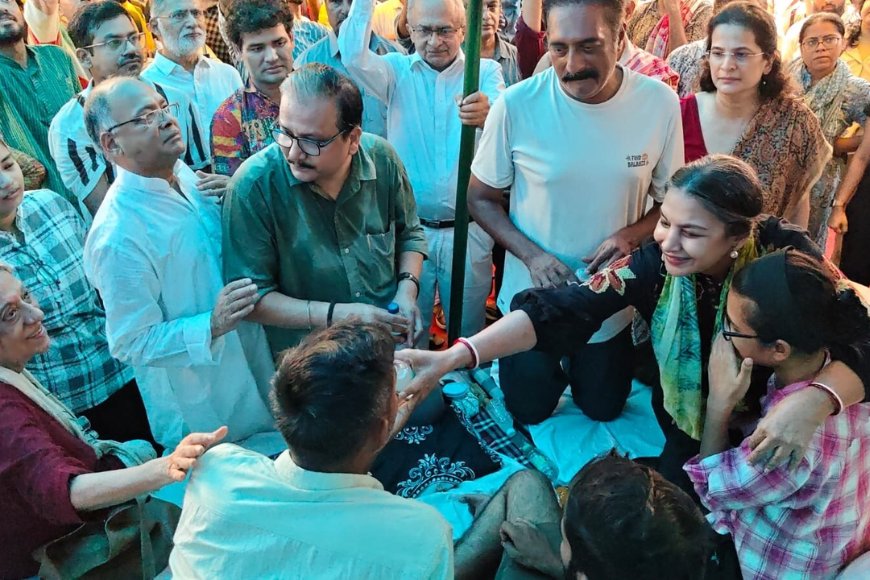
CJP Protest Live: ‘No One Can Stop Us from Reaching Parliament,’ Abhijeet Dipke’s Bold Declaration Ahead of Protest March
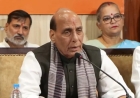
New Delhi: India's national capital is witnessing heightened political activity as the Cockroach Janata Party (CJP) prepares for its much-anticipated march towards Parliament. Ahead of the protest, senior CJP leader Abhijeet Dipke made a strong statement that has intensified the political atmosphere. Addressing party supporters and the media, Dipke said, "No one can stop us from going to Parliament. Raising our voice in a democracy is our constitutional right."
His remarks have sparked widespread political debate while prompting authorities to further strengthen security arrangements across Delhi. Thousands of party workers and supporters are expected to participate in the demonstration, making it one of the most closely watched political events in the capital.
A Strong Message Before the March
Speaking before the protest officially began, Abhijeet Dipke emphasized that the CJP's movement would remain peaceful and democratic. According to him, the march is intended to highlight public issues that the party believes have been ignored despite repeated attempts to engage with the government through dialogue.
Dipke alleged that administrative restrictions, heavy barricading, and enhanced police deployment were being used to discourage protesters from reaching Parliament. However, he maintained that such measures would not silence democratic voices.
"We respect the Constitution and the law, but we also expect our constitutional rights to be respected. Parliament belongs to the people, and every citizen has the right to peacefully express concerns," Dipke said.
Massive Security Across Delhi
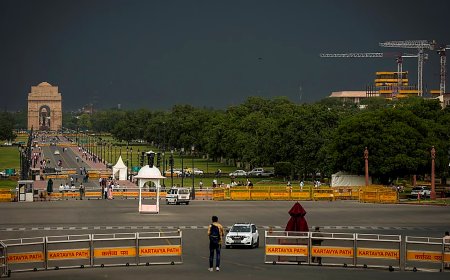
With the Parliament March drawing thousands of participants from different states, Delhi Police has implemented extensive security measures throughout the city.
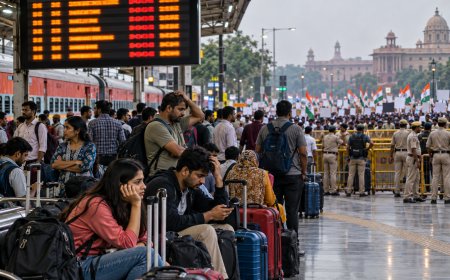
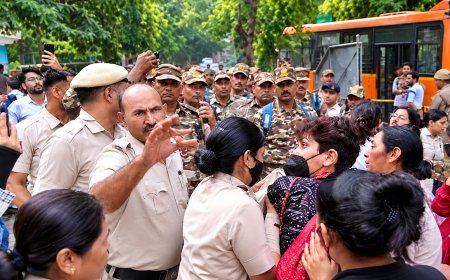
Security personnel, including police forces, Rapid Action Force (RAF) units, and paramilitary teams, have been deployed in sensitive areas surrounding Parliament House, Vijay Chowk, India Gate, Central Secretariat, and other key government locations.
Authorities have installed multiple layers of barricades to regulate crowd movement and prevent unauthorized access to restricted zones. Surveillance has also been intensified through CCTV cameras, drone monitoring, and dedicated control rooms to monitor developments in real time.
Police officials have stated that the arrangements are purely precautionary and intended to maintain law and order while ensuring public safety.
What Is the Protest About?
According to CJP leaders, the march has been organized to bring attention to several public and governance-related issues. The party claims that despite repeated representations, their demands have not received adequate attention from the government.
The protesters are expected to raise concerns related to employment opportunities, social justice, administrative reforms, public welfare, and accountability in governance. Party leaders argue that Parliament is the highest democratic institution in the country and therefore the appropriate platform to amplify the voices of ordinary citizens.
The organizers have also appealed to participants to maintain discipline and avoid any actions that could lead to violence or damage public property.
Dipke Attacks the Government
During his address, Dipke criticized the government's handling of public demonstrations, alleging that authorities were attempting to suppress democratic protests through excessive restrictions.
He argued that peaceful assembly is protected under the Constitution and should not be obstructed unnecessarily. According to him, preventing citizens from expressing their grievances would weaken democratic values.
At the same time, Dipke appealed to party workers to cooperate with law enforcement agencies and ensure that the protest remains entirely peaceful.
"Our movement is non-violent. We are committed to democratic principles, and we do not support any form of violence or destruction," he said.
Administration on High Alert
Delhi authorities have activated comprehensive contingency plans to deal with the large gathering.
Traffic police have issued advisories warning commuters about possible congestion in central Delhi. Several roads leading towards Parliament may witness diversions or temporary restrictions depending on the movement of protesters.
Metro stations in sensitive areas have also been placed under enhanced security. While services are operating normally, additional screening measures have been introduced, and authorities may regulate passenger entry at selected stations if required.
Officials have urged residents to follow traffic advisories and plan their journeys accordingly to avoid inconvenience.
Political Reactions
Dipke's statement has triggered political reactions across party lines.
Opposition leaders have emphasized the importance of protecting citizens' democratic rights, arguing that peaceful protests are an essential part of a functioning democracy. Meanwhile, representatives of the ruling establishment have maintained that while peaceful demonstrations are permitted, they must comply with legal regulations and security protocols.
Political observers believe the Parliament March could become an important political event with implications extending beyond the immediate protest. The demonstration is expected to influence public discourse and intensify political debates in the coming weeks.
Security Agencies Closely Monitoring the Situation
Intelligence agencies are closely monitoring developments to ensure that the protest remains peaceful.
Authorities are also keeping a watch on social media platforms to prevent the spread of misinformation, rumors, or provocative content that could disrupt public order.
Police have appealed to protesters not to believe unverified information and to cooperate with officials throughout the demonstration. Senior officers have reiterated that the objective of the security deployment is to maintain law and order rather than interfere with peaceful democratic expression.
Traffic and Public Impact
The protest is likely to affect normal traffic movement in several parts of central Delhi. Commuters travelling to government offices, business districts, and nearby areas have been advised to leave early and use alternate routes wherever possible.
Although public transportation remains operational, security checks at transport hubs may increase travel time. Authorities have urged the public to remain patient and cooperate with security personnel.
Businesses located near Parliament and surrounding areas may also experience temporary disruptions due to traffic restrictions and increased police presence.
What Happens Next?
All eyes are now on the Parliament March as thousands of protesters prepare to move towards the national legislature.
Whether the demonstration proceeds peacefully or leads to confrontation will largely depend on coordination between organizers and law enforcement agencies. Abhijeet Dipke's declaration that "No one can stop us from reaching Parliament" has become the defining slogan of the protest, reflecting the determination of supporters while also highlighting the tense political environment.
As Delhi remains under tight security, the coming hours will determine how one of the country's most closely watched political demonstrations unfolds. Regardless of the outcome, the march is expected to remain at the center of national political discussions, raising broader questions about democratic rights, public protests, governance, and the balance between security and freedom of expression.
What's Your Reaction?
 Like
0
Like
0
 Dislike
0
Dislike
0
 Love
0
Love
0
 Funny
0
Funny
0
 Angry
0
Angry
0
 Sad
0
Sad
0
 Wow
0
Wow
0