





























'I Thought I Had Cancer and Was Going to Die': Singer Jasmine Sandlas Opens Up About Her First Period Experience

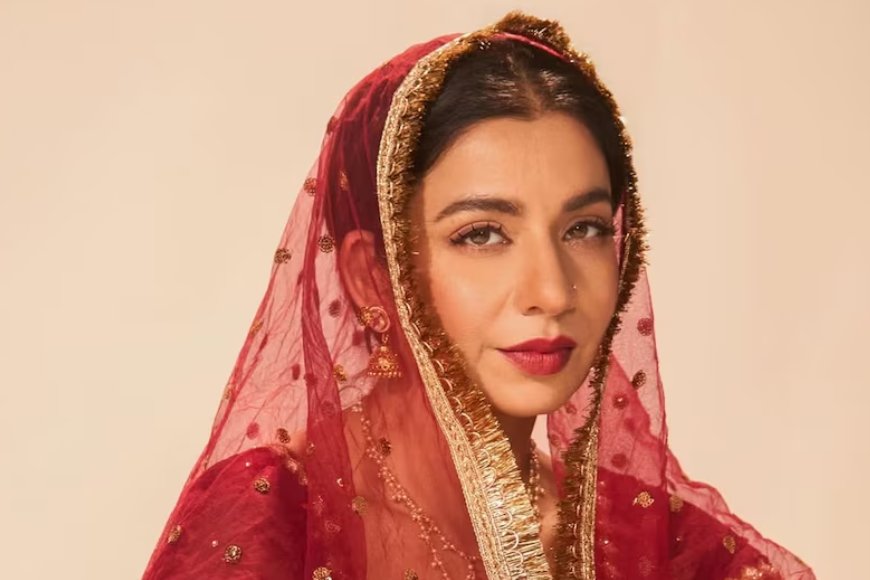
Punjabi singer Jasmine Sandlas has shared an emotional childhood memory about experiencing her first menstrual cycle. She revealed that, due to a lack of awareness, she believed she had cancer and was dying. Her candid story has sparked conversations about menstrual education and the importance of breaking long-standing taboos around periods.

Jul 17, 2026 - 15:45
 0  8
'I Thought I Had Cancer and Was Going to Die': Singer Jasmine Sandlas Opens Up About Her First Period Experience

'I Thought I Had Cancer': Jasmine Sandlas Reveals the Fear and Confusion She Faced During Her First Period, Calls for Better Menstrual Awareness

Popular Punjabi singer Jasmine Sandlas has opened up about one of the most personal and emotional experiences of her childhood, shedding light on a topic that continues to be surrounded by silence in many households—menstruation. The singer revealed that when she got her first period, she had absolutely no idea what was happening to her body. The experience was so frightening that she genuinely believed she had developed cancer and was about to die.

Her heartfelt confession has struck a chord with thousands of people online, reigniting discussions about the importance of menstrual education for young girls. Jasmine explained that because no one had prepared her for the physical and emotional changes associated with puberty, she was overwhelmed with fear when she first noticed bleeding. Instead of understanding that it was a natural biological process, her young mind assumed something was seriously wrong.

The singer recalled that she panicked immediately, believing she was suffering from a life-threatening illness. According to her, she had never been told about menstruation, nor had she received any explanation about the changes girls experience during puberty. The lack of communication left her confused and terrified until her mother eventually explained what was happening.

Jasmine's story reflects a reality experienced by countless girls across different parts of the world. Despite growing awareness around women's health, menstruation continues to be considered a sensitive or uncomfortable subject in many families and communities. As a result, many girls experience their first period without adequate information, often leading to fear, embarrassment, or unnecessary anxiety.

Medical experts have long emphasized that menstrual education should begin before puberty starts. Educating children about bodily changes in an age-appropriate manner helps reduce confusion and prepares them for experiences that are entirely natural. Proper awareness also encourages healthy hygiene practices and helps eliminate myths associated with menstruation.

The singer's experience has also highlighted the emotional impact that a lack of information can have on young adolescents. Childhood is a period of rapid physical and psychological development, and unexpected bodily changes can be overwhelming when there is no prior understanding. Fear, panic, shame, and self-doubt are common emotional responses among children who receive little or no menstrual education.

Following Jasmine's revelation, many people on social media shared similar experiences from their own lives. Several women admitted that they, too, were frightened during their first menstrual cycle because nobody had explained the process beforehand. Others appreciated the singer for using her platform to encourage open conversations about women's health.

Health professionals believe that parents, teachers, and healthcare providers all play an essential role in menstrual education. Rather than treating the subject as embarrassing or inappropriate, experts recommend discussing puberty and menstruation openly so children can understand the changes they are likely to experience. Such conversations also help reduce stigma and build confidence.

In recent years, governments, schools, and non-profit organizations have launched campaigns promoting menstrual awareness and access to hygiene products. These initiatives aim to normalize conversations around periods while addressing misconceptions that have persisted for generations. However, experts acknowledge that social taboos still remain in many communities.

Jasmine Sandlas' statement has become part of a broader movement encouraging public figures to speak openly about personal health experiences. Celebrity stories often reach millions of people, making them powerful tools for spreading awareness and encouraging meaningful discussions. By sharing her vulnerability, Jasmine has helped bring attention to an issue that affects nearly every girl and woman at some point in life.

The singer also emphasized the importance of educating both girls and boys about menstruation. Experts agree that comprehensive awareness should not be limited to girls alone. When boys also understand menstruation as a normal biological process, it contributes to greater empathy, reduces stigma, and helps create a more supportive environment in schools and society.

Healthcare specialists point out that menstruation is a normal part of reproductive health and should never be associated with shame or secrecy. Providing accurate information before puberty allows children to approach the experience with confidence rather than fear. Early education can also encourage young people to seek medical advice if they experience abnormal symptoms instead of remaining silent.

Jasmine's account has resonated particularly with parents, many of whom acknowledged the importance of discussing sensitive topics with their children at the right age. Experts suggest that honest and age-appropriate communication strengthens trust between parents and children while helping young people navigate physical and emotional changes more comfortably.

The conversation sparked by her story extends beyond menstruation itself. It also highlights the need for broader health literacy among children and adolescents. Understanding basic human biology, emotional well-being, hygiene, and reproductive health equips young people with the knowledge needed to make informed decisions throughout their lives.

Educational institutions have increasingly recognized the value of including reproductive health education in school curricula. Comprehensive health education helps students distinguish between normal biological changes and medical conditions, reducing unnecessary fear and misinformation.

Jasmine Sandlas' emotional confession serves as a reminder that even in an age of widespread information, many children still grow up without essential knowledge about their own bodies. Her story demonstrates how silence around natural biological processes can create avoidable fear and emotional distress.

As conversations about women's health continue to become more open, experts hope that future generations will experience puberty with greater confidence and understanding rather than confusion and anxiety. Breaking cultural taboos and encouraging honest communication remain essential steps toward achieving that goal.

By sharing one of the most frightening moments of her childhood, Jasmine Sandlas has transformed a deeply personal memory into an important public conversation. Her experience is not simply a celebrity anecdote—it is a powerful reminder of why menstrual awareness, education, and open family communication are essential for the physical and emotional well-being of every young girl.

What's Your Reaction?

Like Like 0
Dislike Dislike 0
Love Love 0
Funny Funny 0
Angry Angry 0
Sad Sad 0
Wow Wow 0