



























Oceans in Crisis: Rising Temperatures Threaten Marine Life Worldwide
Marine ecosystems across the globe are facing increasing pressure as rising ocean temperatures, pollution, and human activity continue to threaten biodiversity beneath the surface.

Scientists warn that warming seas are disrupting delicate marine ecosystems, particularly coral reefs, which serve as vital habitats for thousands of species. The process of coral bleaching—triggered by higher water temperatures—is becoming more frequent, leaving reefs damaged and marine life struggling to survive.
According to experts, key species such as coral, tuna, and sea turtle are increasingly vulnerable. Changes in ocean temperature and acidity are affecting breeding patterns, migration routes, and food availability.
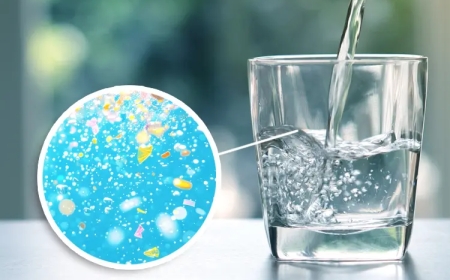
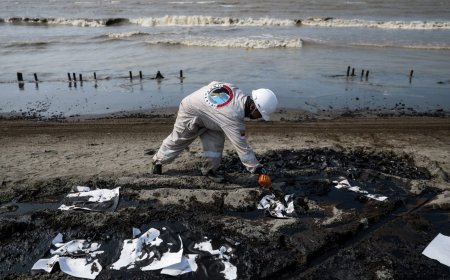
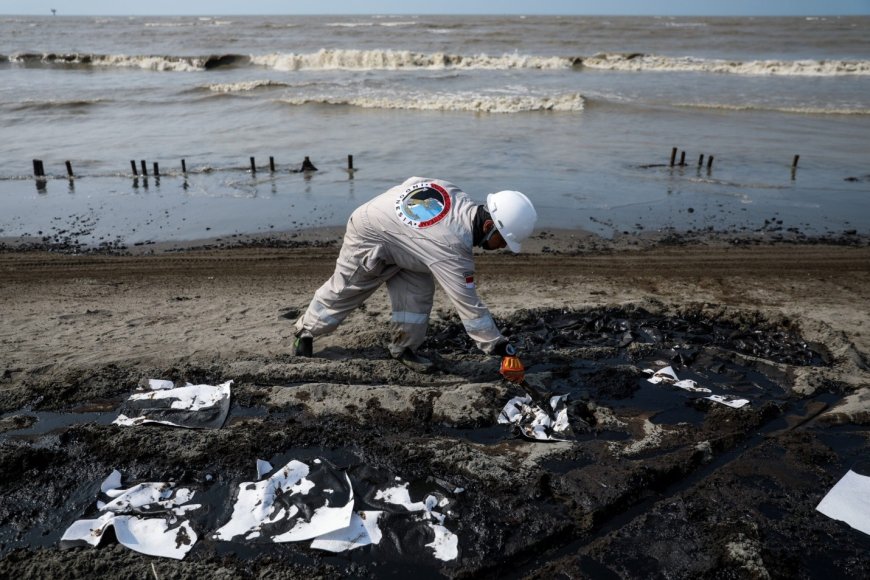
In addition to climate change, pollution—especially plastic waste—is compounding the crisis. Millions of tonnes of plastic enter the oceans every year, posing a serious threat to marine animals that ingest or become entangled in debris. Microplastics have also been found in marine food chains, raising concerns about long-term ecological and human health impacts.
Overfishing remains another critical issue, with many fish stocks declining due to unsustainable practices. Experts warn that without immediate intervention, some species could face collapse, impacting global food security and coastal economies.
Governments and environmental organizations are now calling for urgent action, including stricter fishing regulations, reduction in plastic use, and stronger climate policies. Technological tools such as satellite monitoring and AI-based tracking are also being deployed to better protect marine habitats.
As the crisis deepens, scientists emphasize that preserving ocean biodiversity is not just an environmental priority but a global necessity for sustaining life on Earth.
What's Your Reaction?
 Like
0
Like
0
 Dislike
0
Dislike
0
 Love
0
Love
0
 Funny
0
Funny
0
 Angry
0
Angry
0
 Sad
0
Sad
0
 Wow
0
Wow
0