






















‘One Officer, One Official Car’: Modi Government Launches Major Drive to Cut VIP Convoys and Government Fleet Expenses
In a major administrative reform, the Central Government has introduced a 'One Officer, One Official Car' policy aimed at reducing the size of government vehicle fleets, curbing unnecessary expenditure and promoting efficient use of official resources. The move is expected to streamline government transport and minimise VIP culture.

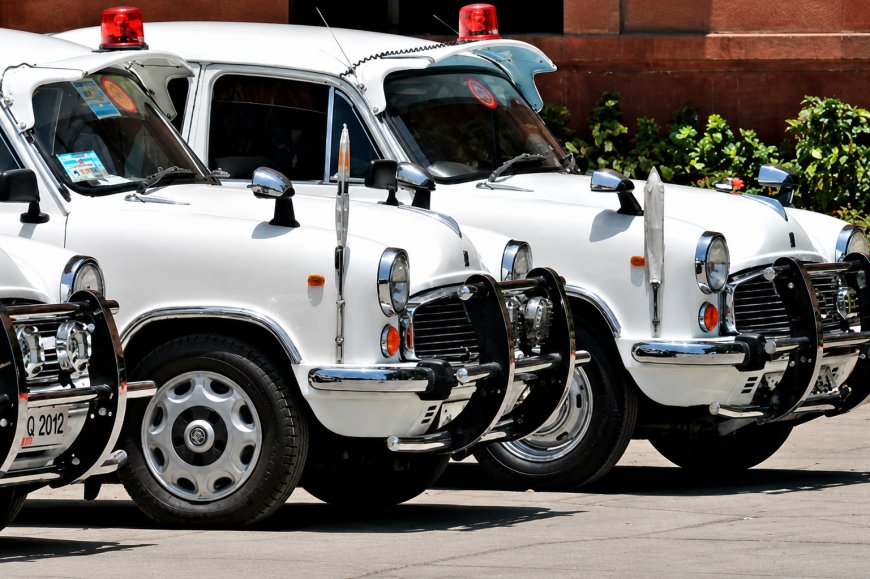
In a significant move aimed at promoting administrative efficiency and reducing government expenditure, the Modi-led Central Government has rolled out a new policy based on the principle of "One Officer, One Official Car." The decision is being viewed as one of the biggest reforms in the management of government vehicles in recent years, with officials describing it as an effort to eliminate unnecessary use of official cars, optimise public resources and reduce the size of government convoys. The policy reflects the government's broader objective of improving governance through fiscal discipline, accountability and efficient utilisation of taxpayer-funded assets.
Under the new framework, eligible officers will generally be assigned only one official vehicle for official duties, replacing the earlier practice where multiple vehicles were sometimes allocated for different purposes or departments. Ministries and government departments have reportedly been instructed to review their existing vehicle fleets, identify surplus vehicles and ensure that official transport is used strictly for government work. The initiative is also expected to reduce fuel consumption, maintenance costs and administrative overhead associated with maintaining large vehicle pools. Officials believe the policy will create a more transparent and accountable system for the use of government transport.
The reform is part of the Centre's continuing efforts to rationalise government expenditure without affecting the efficiency of public administration. Maintaining large fleets of official vehicles involves significant recurring expenses, including fuel, repairs, insurance, drivers, servicing and replacement costs. By limiting the allocation of official cars, the government expects to achieve substantial savings over time while ensuring that essential official mobility is not compromised. Departments have also been asked to periodically review vehicle utilisation so that idle or underutilised vehicles can be reassigned or phased out wherever necessary.
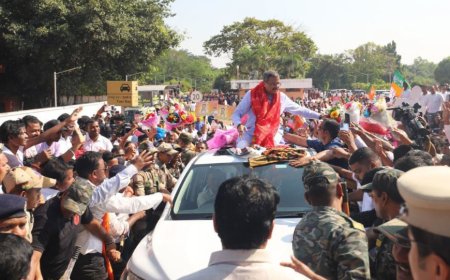
Officials familiar with the policy say that it is designed not only to reduce costs but also to discourage the culture of excessive official convoys and unnecessary use of government vehicles. Over the years, concerns have occasionally been raised regarding the size of VIP motorcades and the use of multiple official cars for individual officers. Through the "One Officer, One Official Car" principle, the government aims to promote a more practical and need-based approach to official transportation. Security-related exceptions are expected to continue for constitutional authorities and individuals entitled to enhanced protection under existing protocols.
The initiative is also expected to contribute to the government's environmental objectives. A smaller fleet of actively used vehicles could help reduce fuel consumption and vehicle emissions, aligning with broader efforts to improve energy efficiency and encourage responsible use of public resources. Combined with the government's increasing focus on electric mobility and cleaner transport solutions across departments, the policy may support long-term sustainability goals while delivering operational savings.
Administrative experts believe the reform could improve fleet management by encouraging departments to maintain accurate records of vehicle allocation, usage and maintenance. Digital monitoring systems, centralised fleet management and periodic audits are likely to play a greater role in ensuring compliance with the new guidelines. Better monitoring may also reduce misuse of official vehicles and improve transparency in government operations.
While the policy has been welcomed by many as a step towards leaner governance, its success will largely depend on effective implementation across ministries and departments. Experts note that clear operational guidelines, regular inspections and strict adherence to eligibility norms will be essential to achieving the intended objectives. At the same time, authorities will need to ensure that officers performing critical field duties continue to have access to adequate transport facilities whenever required.
The latest initiative reflects the Central Government's continued emphasis on administrative reforms aimed at improving efficiency while reducing avoidable public expenditure. By introducing the "One Officer, One Official Car" policy, the government seeks to send a message that official resources should be utilised judiciously and in the public interest. If implemented effectively, the reform could become a model for optimising government assets, lowering operational costs and promoting a more accountable administrative system in the years ahead.
What's Your Reaction?
 Like
0
Like
0
 Dislike
0
Dislike
0
 Love
0
Love
0
 Funny
0
Funny
0
 Angry
0
Angry
0
 Sad
0
Sad
0
 Wow
0
Wow
0