













Rahul Gandhi Alleges BJP-RSS Have an Anti-Adivasi Mindset, Sparks Fresh Political Debate
Rahul Gandhi has accused the BJP and RSS of having an anti-Adivasi mindset and attempting to weaken tribal rights and identity. His remarks have triggered a fresh political debate over tribal welfare, constitutional protections, and the role of indigenous communities in India's development.

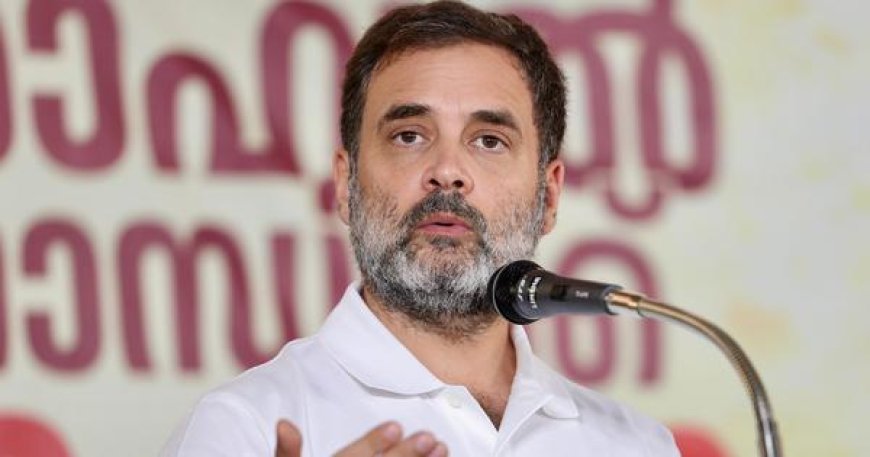
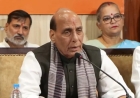
Leader of the Opposition Rahul Gandhi has once again targeted the Bharatiya Janata Party (BJP) and the Rashtriya Swayamsevak Sangh (RSS), accusing them of maintaining an "anti-Adivasi mindset" and attempting to weaken the rights and identity of tribal communities across India. The remarks were made during an interaction with tribal representatives and professionals, where Gandhi emphasized the importance of protecting the constitutional, cultural, and economic rights of Adivasis.
The statement has sparked a fresh political controversy, with Congress and BJP leaders engaging in a war of words over policies concerning tribal welfare, land rights, and social justice.
What Did Rahul Gandhi Say?
Addressing a gathering of tribal professionals and community representatives, Rahul Gandhi alleged that the BJP and RSS do not view tribal communities as equal stakeholders in India's development process. He claimed that their ideology seeks to marginalize tribal populations and deprive them of control over their traditional resources.
Gandhi argued that tribal communities have historically protected forests, natural resources, and biodiversity and therefore deserve greater recognition and participation in decision-making processes. He stressed that tribal rights should remain protected under constitutional provisions and existing laws.
Why Is the Issue Significant?
The debate over tribal rights remains one of India's most important socio-political issues. Millions of Adivasis live across several states including Jharkhand, Chhattisgarh, Odisha, Madhya Pradesh, Maharashtra, Rajasthan, and parts of the Northeast.
Many tribal communities depend on forests and natural resources for their livelihood. Questions related to land acquisition, mining projects, forest rights, displacement, and access to government benefits frequently become political and legal issues.
Rahul Gandhi's remarks seek to position the Congress party as a defender of tribal interests while criticizing the policies and ideology of its political opponents.
The "Adivasi" vs "Vanvasi" Debate
One of the key points raised by Rahul Gandhi was the distinction between the terms "Adivasi" and "Vanvasi." According to Gandhi, the term "Adivasi" recognizes tribal communities as the original inhabitants of the land and acknowledges their historical identity.
He alleged that certain ideological groups prefer the term "Vanvasi" because it changes the narrative surrounding tribal identity and history. This linguistic and cultural debate has existed in Indian politics for decades and continues to generate strong opinions from different political groups.
BJP and RSS Response
Leaders from the BJP and RSS have repeatedly rejected allegations that they are anti-tribal. They argue that the central government has introduced numerous welfare schemes aimed at improving education, healthcare, housing, employment, and infrastructure in tribal regions.
The BJP often cites initiatives related to tribal development, scholarship programs, road connectivity, healthcare expansion, and the celebration of tribal icons such as Birsa Munda as evidence of its commitment to tribal welfare.
Party leaders have accused Congress of making politically motivated statements rather than acknowledging developmental efforts undertaken in tribal areas.
Political Context Behind the Statement
Rahul Gandhi's comments come at a time when political parties are increasingly focusing on tribal voters ahead of future elections. Tribal communities represent a significant voting bloc in several states and often play a decisive role in electoral outcomes.
Both Congress and BJP have intensified outreach programs aimed at tribal populations, highlighting welfare initiatives, representation, and economic development. Political analysts believe Gandhi's remarks are part of a broader effort to strengthen Congress's support base among tribal communities.
Tribal Rights and Constitutional Protections
India's Constitution provides several safeguards for Scheduled Tribes, including political representation, educational opportunities, reservation policies, and legal protections for land and forest rights.
Laws such as the Forest Rights Act and provisions under the Fifth and Sixth Schedules are designed to protect tribal communities and preserve their traditional rights. However, implementation challenges and conflicts over natural resources continue to generate debate among policymakers and activists.
Experts believe that ensuring sustainable development while protecting tribal rights remains a major challenge for governments at both the state and national levels.
Reactions from Tribal Organizations
Several tribal organizations welcomed the renewed focus on issues affecting indigenous communities, though some groups emphasized the need for practical solutions rather than political rhetoric.
Community leaders have called for greater participation in policy decisions, stronger implementation of welfare programs, improved education facilities, healthcare access, and employment opportunities in tribal regions.
Many organizations also stressed the importance of preserving tribal culture, language, and traditions alongside economic development.
What's Your Reaction?
 Like
0
Like
0
 Dislike
0
Dislike
0
 Love
0
Love
0
 Funny
0
Funny
0
 Angry
0
Angry
0
 Sad
0
Sad
0
 Wow
0
Wow
0