





























EU Agrees to Indefinitely Freeze €210 Billion in Russian Assets, Clearing Way for Ukraine Support Loan
The European Union has approved the indefinite immobilization of about €210 billion in Russian sovereign assets held in Europe, removing a key hurdle for a proposed multi-billion-euro loan to Ukraine. The move bypasses periodic renewals and faces legal pushback from Moscow.

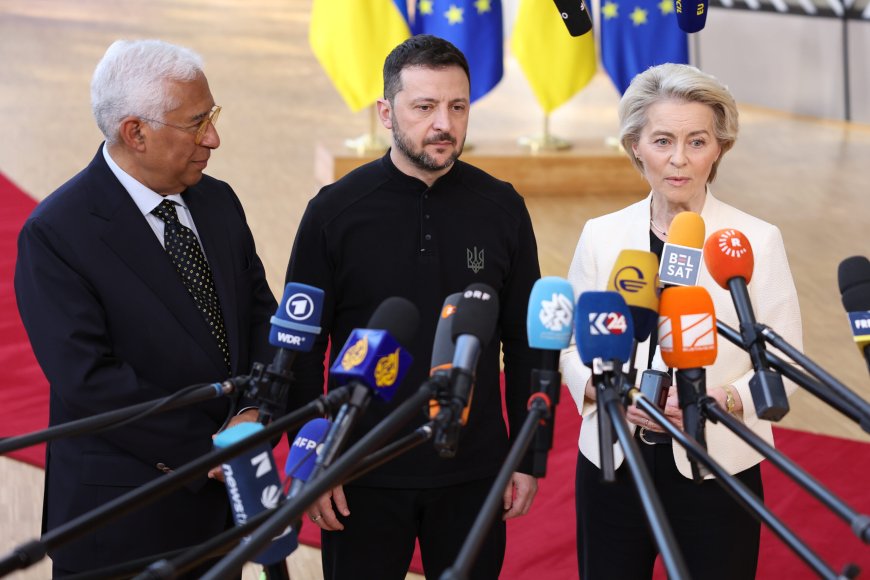
BRUSSELS — In a landmark move, the European Union has agreed to indefinitely freeze roughly €210 billion ($246 billion) in Russian central bank assets held within the bloc, a decision aimed at securing political and legal space for a planned financial support package for Ukraine.
The indefinite freeze abolishes the current requirement that member states renew the asset sanctions every six months — a process vulnerable to vetoes from member states such as Hungary and Slovakia, which maintain closer ties with Moscow.
EU governments invoked special emergency provisions in the treaties to implement the measure by a qualified majority rather than unanimous approval. This shifts the freeze from a temporary sanction to a long-term immobilization “until Russia ends its war of aggression against Ukraine and compensates for the damage it has caused,” according to European Council President António Costa.
Clearing the Path for a Ukraine Loan
The decision is seen as a crucial prerequisite to advance an ambitious EU plan to use part of the frozen Russian assets as collateral in a major loan to Ukraine—potentially up to €165 billion—to support Kyiv’s military and civilian needs through 2026 and 2027. Under current proposals, Ukraine would not begin repaying until Russia compensates it for war-related damages.
EU leaders are expected to meet on December 18 to finalize the financing arrangement and secure guarantees addressing concerns—especially from Belgium—over legal risks and potential liability should Moscow challenge the plan.
Legal and Political Backlash
Russia has sharply condemned the measure. Its central bank has filed a lawsuit in Moscow against Euroclear, the Brussels-based financial institution holding most of the frozen funds, claiming the immobilization violates international law and sovereign immunity. Moscow has also vowed to pursue legal challenges abroad.
Belgium, which hosts the bulk of the frozen assets, remains wary of exposing itself to legal and financial risk and has demanded robust guarantees from fellow EU states.
Wider Geopolitical Context
The asset freeze and proposed Ukraine loan come amid heightened tensions between the EU and Russia over the ongoing conflict in Ukraine, now in its fourth year. The unprecedented nature of the EU’s approach—using another nation’s sovereign reserves to back reparations and reconstruction financing—has raised debate among legal experts and policymakers across Europe. —a
Supporters say the step underscores the bloc’s commitment to Ukraine’s sovereignty and long-term stability, while critics warn it could set a risky precedent in international finance and expose the EU to protracted legal battles
What's Your Reaction?
 Like
0
Like
0
 Dislike
0
Dislike
0
 Love
0
Love
0
 Funny
0
Funny
0
 Angry
0
Angry
0
 Sad
0
Sad
0
 Wow
0
Wow
0