

























No Impact of US Strikes on Iran's Chabahar Port, India-Operated Terminal Fully Safe: MEA
India's Ministry of External Affairs (MEA) has confirmed that the India-operated Shahid Beheshti Terminal at Iran's Chabahar Port remains completely safe and fully operational despite the recent US military strikes in Iran. The statement has eased concerns over India's strategic investment and regional trade connectivity, reaffirming that cargo operations continue without disruption.

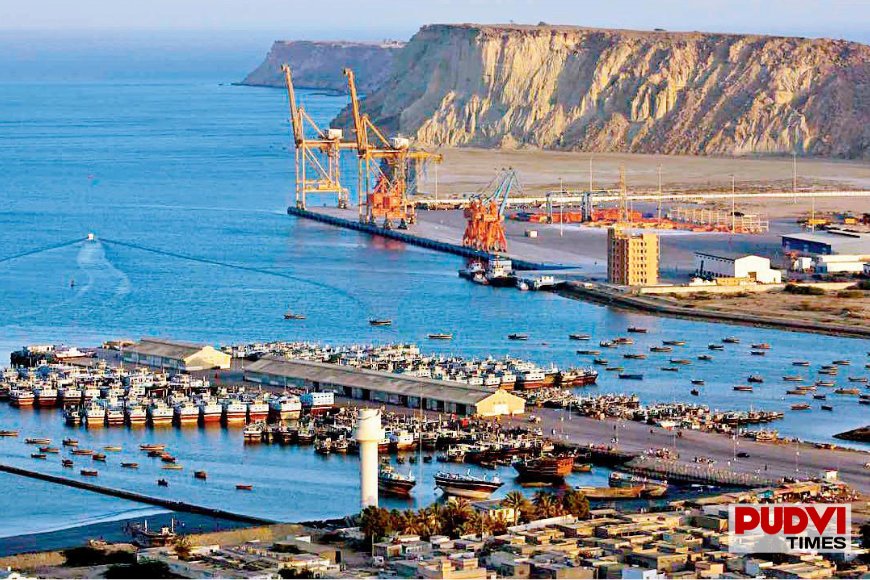
India's strategic and economic interests in the Middle East received a major reassurance after the Ministry of External Affairs (MEA) confirmed that the India-operated Shahid Beheshti Terminal at Iran's Chabahar Port has not been affected by the recent US military strikes carried out in different parts of Iran. The clarification came at a time when geopolitical tensions between the United States and Iran have once again escalated, creating uncertainty across the region and raising concerns about the safety of critical infrastructure, maritime trade routes, and international logistics. With fears growing over possible disruptions to ports, energy facilities, and shipping lanes, the MEA's statement has provided confidence not only to Indian businesses but also to international traders who depend on Chabahar as a vital gateway connecting South Asia with Afghanistan, Central Asia, and beyond. According to the ministry, cargo handling operations at the India-managed terminal are continuing normally, and there has been no damage to infrastructure, equipment, or personnel despite the heightened regional conflict.
The importance of Chabahar Port for India extends far beyond ordinary commercial trade. Situated on Iran's southeastern coast along the Gulf of Oman, the port serves as India's only direct maritime gateway to Afghanistan and Central Asia without passing through Pakistan. For years, New Delhi has invested heavily in developing the Shahid Beheshti Terminal by supplying modern cargo-handling equipment, cranes, port infrastructure, and operational expertise under long-term bilateral agreements with Tehran. The project has become one of India's most strategically significant overseas infrastructure investments, strengthening its connectivity ambitions under the International North-South Transport Corridor (INSTC) while simultaneously expanding trade access to Eurasian markets. Unlike other regional ports that are often influenced by geopolitical rivalries, Chabahar has been viewed as a platform for regional cooperation, trade facilitation, and economic development. Its uninterrupted functioning is therefore considered crucial not only for India's commercial interests but also for its broader foreign policy objectives in West Asia and Central Asia.
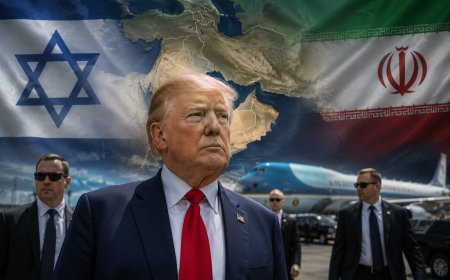
The recent US military strikes inside Iran triggered immediate concerns among governments, shipping companies, exporters, insurers, and logistics operators worldwide. The Middle East remains one of the world's most strategically sensitive regions because it handles a significant percentage of global energy supplies and maritime commerce. Any escalation involving military operations naturally creates fears about possible disruptions to international shipping, increased freight costs, insurance premiums, and supply chain bottlenecks. Reports of attacks inside Iran prompted speculation regarding the safety of ports, airports, industrial facilities, and transportation networks. Against this backdrop, the MEA's confirmation that Chabahar remains completely secure carries considerable significance. Officials stated that Indian authorities remain in constant communication with Iranian counterparts and are closely monitoring developments to ensure the safety of Indian personnel, commercial assets, and ongoing operations. The government also emphasized that cargo movement through the terminal has continued without interruption, providing reassurance to businesses that rely on the route for imports, exports, and humanitarian shipments.
Over the years, Chabahar Port has evolved into much more than a commercial shipping hub. It represents India's long-term vision of enhancing regional connectivity while reducing dependence on traditional transit routes that have often been constrained by political and geographical challenges. Through Chabahar, India has successfully transported wheat, humanitarian aid, medicines, construction materials, fertilizers, engineering goods, and various commercial consignments to Afghanistan. The port has also opened new possibilities for expanding trade with Central Asian nations, allowing Indian exporters to reach previously inaccessible markets more efficiently. Experts believe that as global trade routes continue to diversify, Chabahar could play an increasingly important role in facilitating economic integration across South Asia, West Asia, and Eurasia. The port's strategic location outside the Strait of Hormuz further enhances its value, providing relatively easier access to the Arabian Sea while supporting international shipping operations.
India's cooperation with Iran on the Chabahar project has continued despite changing geopolitical dynamics and complex international sanctions regimes. Both countries have consistently described the project as a mutually beneficial initiative focused on economic development and regional connectivity rather than military or political objectives. Indian investments have helped modernize cargo terminals, improve operational efficiency, and increase the port's capacity to handle larger volumes of international trade. The project has also attracted interest from several regional partners seeking alternative transport corridors that reduce shipping time and logistics costs. Analysts believe that maintaining uninterrupted operations at Chabahar strengthens India's strategic autonomy by diversifying trade routes and reinforcing its economic engagement with neighboring regions. It also complements broader initiatives aimed at improving connectivity with Russia, Central Asia, and European markets through multimodal transportation networks.
The MEA's latest statement also reflects India's cautious diplomatic approach during periods of international conflict. While closely monitoring developments in the Middle East, New Delhi has consistently emphasized the importance of dialogue, regional stability, and the protection of civilian infrastructure. Officials have reiterated that safeguarding Indian nationals and strategic investments remains a top priority. In addition to monitoring the security environment, Indian authorities continue to coordinate with shipping companies, diplomatic missions, and local stakeholders to ensure uninterrupted logistics operations. Experts note that such proactive engagement becomes particularly important during periods of heightened geopolitical uncertainty when even minor disruptions can have cascading effects on global trade and supply chains.
Economists and strategic affairs experts have welcomed the confirmation that Chabahar remains unaffected, pointing out that uninterrupted port operations will help preserve confidence among exporters, investors, and logistics providers. Had the port suffered any damage, the consequences could have extended far beyond bilateral India-Iran trade, affecting regional connectivity initiatives, freight schedules, humanitarian aid deliveries, and long-term infrastructure planning. Instead, the continued normal functioning of the India-operated terminal sends a positive signal that at least some critical trade infrastructure in the region remains insulated from the immediate impact of military developments. However, analysts also caution that the broader security environment remains fluid, and prolonged instability in the Middle East could still influence shipping costs, insurance rates, investment decisions, and international energy markets in the coming months.
In conclusion, the Ministry of External Affairs' confirmation that India's Shahid Beheshti Terminal at Chabahar Port remains fully safe, secure, and operational provides a major relief amid escalating tensions between the United States and Iran. As one of India's most strategically important overseas infrastructure projects, Chabahar continues to serve as a vital gateway for regional trade, economic diplomacy, and connectivity with Afghanistan and Central Asia. While geopolitical uncertainties continue to dominate the Middle East, India's successful operation of the terminal demonstrates the resilience and strategic significance of the project. The latest developments reaffirm that despite growing regional tensions, Chabahar remains a cornerstone of India's long-term connectivity vision and an essential link in the country's efforts to strengthen trade, regional cooperation, and economic engagement across Asia and beyond.
What's Your Reaction?
 Like
0
Like
0
 Dislike
0
Dislike
0
 Love
0
Love
0
 Funny
0
Funny
0
 Angry
0
Angry
0
 Sad
0
Sad
0
 Wow
0
Wow
0