

























Parliament Winter Session 2025 Concludes: Both Houses Adjourned Sine Die on Day 15
The 2025 Winter Session of the Indian Parliament concluded on Day 15, with both Lok Sabha and Rajya Sabha adjourning sine die. Key legislative discussions and bills passed during the session highlight the government’s agenda and parliamentary priorities.

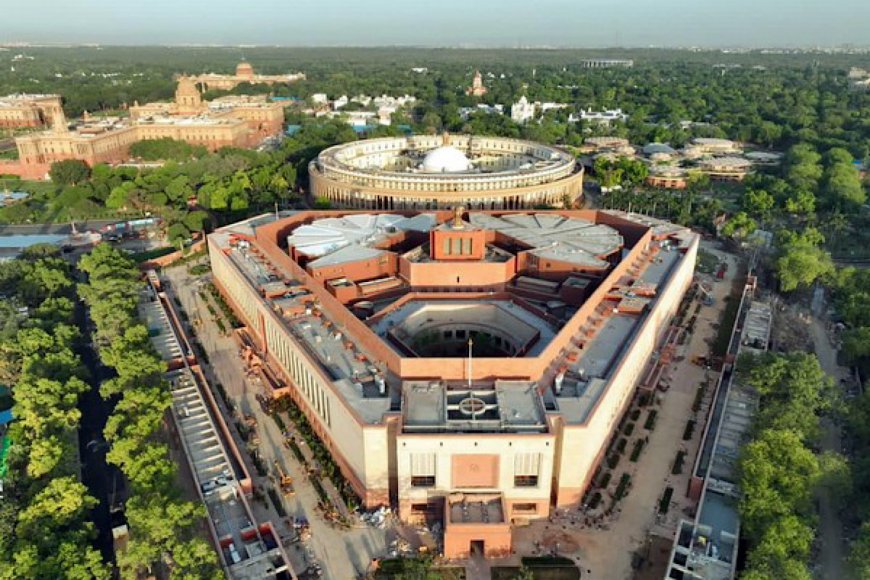
The 2025 Winter Session of the Indian Parliament came to a close on Thursday with both the Lok Sabha and Rajya Sabha adjourning sine die after fifteen days of deliberations marked by legislative activity, pointed debates, and policy discussions.
The session, which opened amid heightened political focus on governance, economic reforms, and national security, witnessed the passage of several significant bills, as well as intense debates on issues ranging from energy and infrastructure development to social welfare and public accountability.
Legislative Work and Key Approvals
According to parliamentary records, the government successfully pushed through a number of bills during the session, including proposals related to energy sector reforms, technology expansion, and infrastructure development. Notably, the SHANTI Bill opening up the nuclear energy sector to private participation was ratified in this session, marking a transformational step for India’s energy landscape.
The House also discussed proposals aimed at boosting trade, foreign investment, and public-private partnerships, reflecting a continued focus on economic growth and development.
Opposition members, however, raised concerns over implementation gaps, social equity, and transparency, particularly on bills impacting labor rights, environmental governance, and fiscal expenditure. Prolonged discussions and pointed questions during the Question Hour underscored the robust parliamentary scrutiny of government actions.
Debates and Discussions
The Winter Session provided a platform for extensive policy debates. Lawmakers highlighted issues such as
-
National security and strategic defense preparedness.
-
Energy and technology sector reforms, including private sector participation.
-
Social welfare schemes and their effective implementation at the ground level.
-
Infrastructure projects and investment promotion, with an emphasis on sustainable development.
Members of civil society and policy analysts welcomed the discussions, noting that the session reflected a balance between legislative productivity and accountability.
Challenges and Outlook
While the session was productive, several legislative proposals remain pending, and many issues flagged by MPs require follow-up in future sessions. Observers noted that the adjournment sine die provides an opportunity for the government and parliamentary committees to evaluate ongoing policies and prepare for the next legislative agenda.
The next session, expected in early 2026, is likely to take up pending bills and focus on parliamentary oversight, implementation of recently passed legislation, and discussion on emerging national priorities.
Parliamentary sources emphasized that despite robust debate and occasional confrontations between government and opposition benches, the session demonstrated the functioning of parliamentary democracy in addressing complex policy challenges while ensuring legislative progress.
What's Your Reaction?
 Like
0
Like
0
 Dislike
0
Dislike
0
 Love
0
Love
0
 Funny
0
Funny
0
 Angry
0
Angry
0
 Sad
0
Sad
0
 Wow
0
Wow
0