

























Toxic Air Engulfs Western Uttar Pradesh: Baghpat Tops Charts With AQI 381, Worse Than Delhi
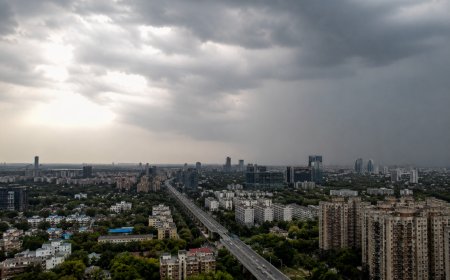
Baghpat, November 11, 2025: As Delhi struggles with hazardous pollution levels, the toxic air has now extended its grip over western Uttar Pradesh, with several towns recording ‘very poor’ air quality. According to the Central Pollution Control Board (CPCB), Baghpat emerged as one of the most polluted towns in the region, with an Air Quality Index (AQI) of 381 as of 4 p.m. on Monday — surpassing Delhi’s AQI of 362 at the same time.

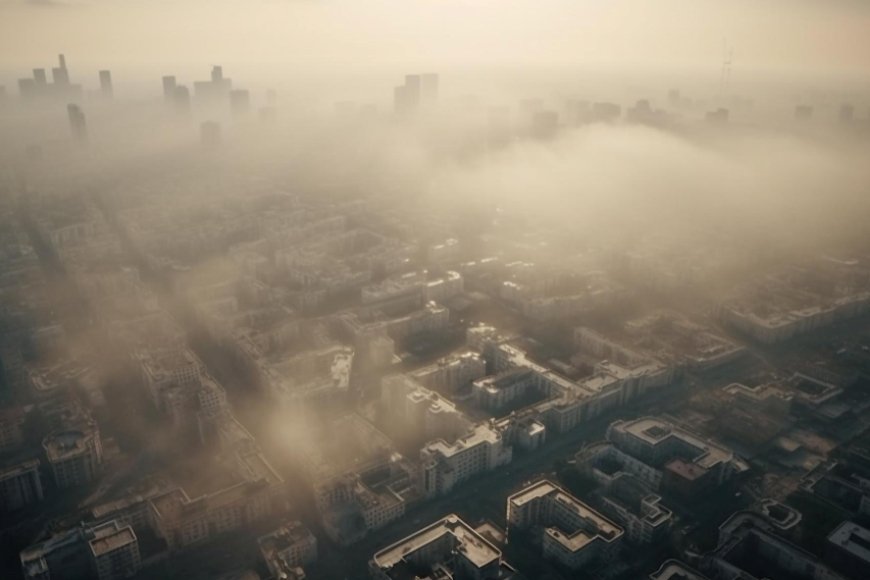
Other cities in the region — including Ghaziabad, Noida, Bulandshahr, and Hapur — also reported AQI levels above 300, indicating unsafe air for sensitive groups.
Authorities Issue Health Advisory
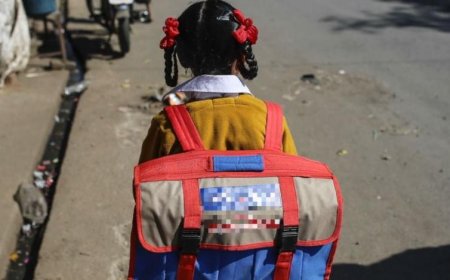
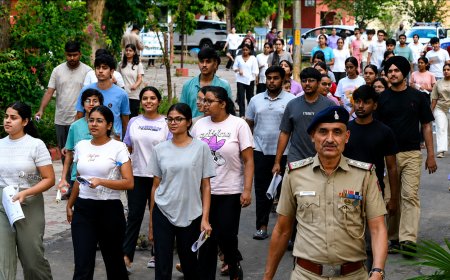
District officials in Baghpat and Ghaziabad have issued public health alerts, urging residents to limit outdoor activities, particularly for children, senior citizens, and those with respiratory ailments.
“People should avoid early morning walks and use proper masks when stepping outdoors,” said an official from the Baghpat Pollution Control Department, adding that the administration has intensified measures to reduce local sources of emissions.
Schools have been advised to limit outdoor assemblies and sports activities, while construction dust control drives have been ramped up across key towns.
UP Government Pushes Stubble Barter Scheme
To address one of the major contributors to air pollution — stubble burning — the Uttar Pradesh Animal Husbandry Department has renewed efforts to promote its barter scheme.
Under this initiative, farmers are encouraged to exchange crop residue for organic fertiliser, which can be used to enrich soil fertility without harming the environment.
“The barter scheme offers a win-win — it helps farmers dispose of stubble responsibly while improving soil health through organic manure,” said a senior official from the department.
The government is also increasing awareness campaigns across rural areas in Baghpat, Meerut, and Bulandshahr, urging farmers to avoid burning crop residue and instead adopt eco-friendly alternatives.
Western UP’s Growing Air Crisis
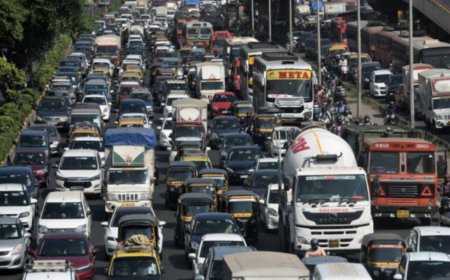
Environmental experts say Western Uttar Pradesh’s proximity to Delhi-NCR and its high vehicular density, industrial emissions, and stubble smoke have made it particularly vulnerable to winter smog.
Data from CPCB shows that particulate matter (PM2.5 and PM10) levels have remained consistently above safe limits in the past week.
Meteorologists add that calm wind speeds and low temperatures are worsening the pollution build-up, preventing dispersion of airborne pollutants.
“If no strong winds arrive in the next few days, pollution levels could enter the ‘severe’ category in several UP towns,” warned an official from the India Meteorological Department (IMD).
What Residents Can Do
Health experts have recommended that residents of affected areas:
- Wear N95 masks outdoors.
- Use air purifiers indoors where possible.
- Stay hydrated and avoid prolonged outdoor exercise.
- Keep windows closed during peak smog hours.
AQI Levels at 4 PM (Monday)
|
City |
AQI |
Category |
|
Baghpat |
381 |
Very Poor |
|
Delhi |
362 |
Very Poor |
|
Ghaziabad |
356 |
Very Poor |
|
Noida |
342 |
Very Poor |
|
Bulandshahr |
333 |
Very Poor |
|
Hapur |
326 |
Very Poor |
Outlook
Authorities across Delhi-NCR and West UP are monitoring the situation closely. If pollution continues to rise, the Graded Response Action Plan (GRAP) Stage-III restrictions — currently active in Delhi — may be extended to neighboring UP districts as well.
What's Your Reaction?
 Like
0
Like
0
 Dislike
0
Dislike
0
 Love
0
Love
0
 Funny
0
Funny
0
 Angry
0
Angry
0
 Sad
0
Sad
0
 Wow
0
Wow
0