

























US-Iran Conflict Escalates as Trump Declares Ceasefire 'Over'; Strikes Continue for Second Straight Day

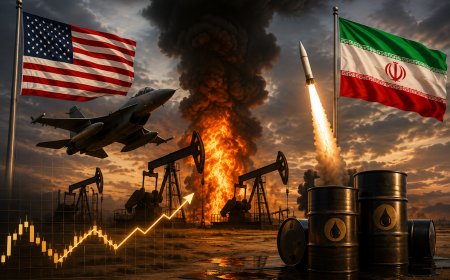
Military strikes between the United States and Iran entered a second consecutive day after U.S. President Donald Trump declared the ceasefire "over." Both sides accused each other of violating the truce, raising fears of a wider conflict in the Middle East and renewed concerns over global oil supplies.

Jul 9, 2026 - 12:55
 0  2
US-Iran Conflict Escalates as Trump Declares Ceasefire 'Over'; Strikes Continue for Second Straight Day

US-Iran Conflict Intensifies as Trump Declares Ceasefire 'Over'; Second Day of Strikes Raises Global Alarm

The fragile ceasefire between the United States and Iran appears to have collapsed, with both nations exchanging military strikes for a second consecutive day after U.S. President Donald Trump declared that the truce was "over." The renewed hostilities have heightened fears of a broader regional conflict, disrupted diplomatic efforts, and increased concerns over global energy security.

The latest escalation marks one of the most serious confrontations between Washington and Tehran in recent months. Military officials from both sides have accused each other of violating the ceasefire agreement, while international leaders have urged restraint to prevent the conflict from spiraling into a full-scale war.

Trump Declares the Ceasefire Over

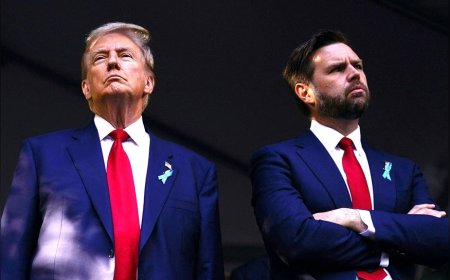
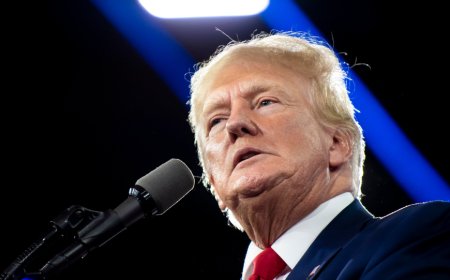
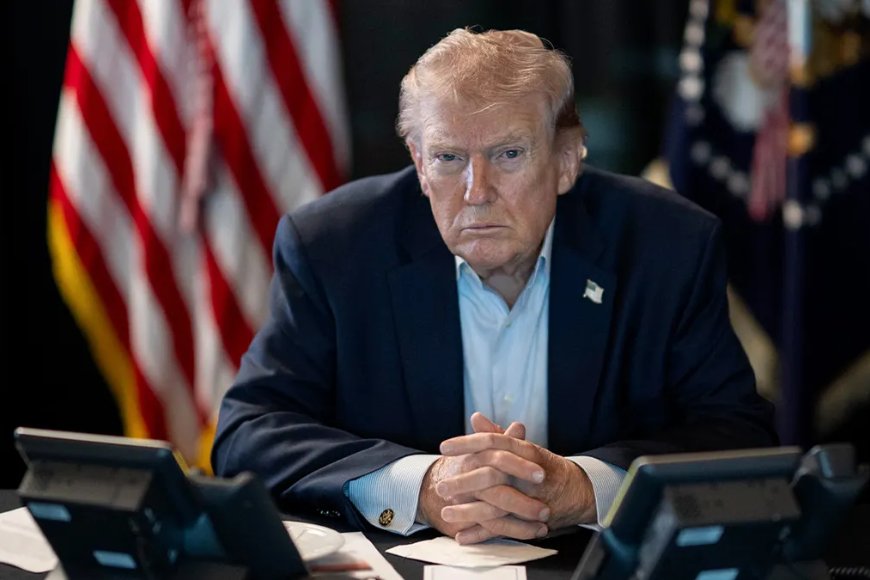
Speaking to reporters, President Donald Trump stated that the temporary ceasefire with Iran had effectively ended, claiming that Tehran had failed to honor its commitments. While expressing skepticism about further negotiations, Trump indicated that the United States would continue to protect its strategic interests and military personnel in the region.

His remarks significantly increased tensions, as they came amid reports of renewed military operations involving both countries.

Second Day of Military Strikes

Following Trump's statement, U.S. forces reportedly launched another round of precision strikes targeting Iranian military infrastructure, including missile and drone-related facilities. American officials described the operations as defensive measures aimed at reducing potential threats to regional stability and ensuring freedom of navigation.

Iran responded with retaliatory strikes, targeting locations associated with U.S. military interests in the region. Although both governments have reported military successes, independent assessments of the damage remain limited.

The continued exchange of attacks has fueled concerns that the conflict could expand beyond the current theater if diplomatic efforts fail.

Hormuz Strait Back in Focus

The Strait of Hormuz has once again become a central flashpoint in the crisis. As one of the world's busiest oil shipping routes, any disruption in the waterway could have significant consequences for global energy markets.

Security analysts warn that prolonged military activity around the Strait could threaten commercial shipping, increase insurance costs, and disrupt international supply chains.

Global Oil Markets React

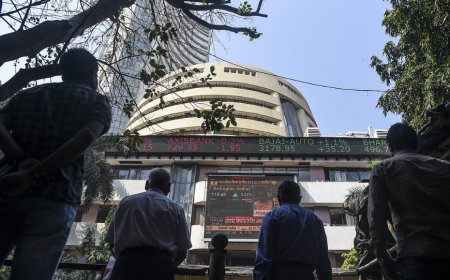
The renewed conflict immediately affected global financial markets, with crude oil prices rising as investors reacted to the growing geopolitical uncertainty.

Energy experts caution that if military operations continue or shipping through the Strait of Hormuz is interrupted, oil prices could climb further, potentially impacting fuel costs and inflation worldwide.

Diplomatic Efforts Under Pressure

Before the latest escalation, several countries had been working to maintain dialogue between Washington and Tehran in hopes of preventing another major conflict in the Middle East.

However, Trump's declaration that the ceasefire was over, combined with the continuing exchange of military strikes, has significantly weakened those diplomatic efforts. International mediators continue to call for both sides to return to negotiations before the situation deteriorates further.

International Community Calls for Restraint

Governments across Europe, Asia, and the Middle East have expressed concern over the renewed fighting. Many have urged both nations to exercise maximum restraint and prioritize diplomacy over military action.

Analysts warn that any further escalation could affect not only regional security but also global trade, energy supplies, and financial markets.

What Could Happen Next?

Military experts believe the coming days will be critical. If both countries continue retaliatory strikes, the conflict could broaden into a larger regional confrontation involving additional actors.

On the other hand, renewed diplomatic engagement could still help prevent a wider war. Much will depend on whether both sides are willing to return to negotiations despite the current escalation.

Conclusion

The second consecutive day of military exchanges between the United States and Iran has underscored the fragility of the ceasefire and the growing instability in the Middle East. President Donald Trump's declaration that the truce is "over" has added further uncertainty to an already volatile situation.

As military operations continue and diplomatic channels come under increasing strain, the international community remains focused on preventing the conflict from escalating into a broader regional war with far-reaching global consequences.

What's Your Reaction?

Like Like 0
Dislike Dislike 0
Love Love 0
Funny Funny 0
Angry Angry 0
Sad Sad 0
Wow Wow 0