



























Carney Confirms ‘Constructive’ Talks with Alberta on Potential Oil Pipeline to B.C. Coast
PM Mark Carney confirms “constructive” talks with Alberta on a potential oil pipeline to B.C., involving carbon capture, port expansion, and Indigenous consultation amid ongoing negotiations.

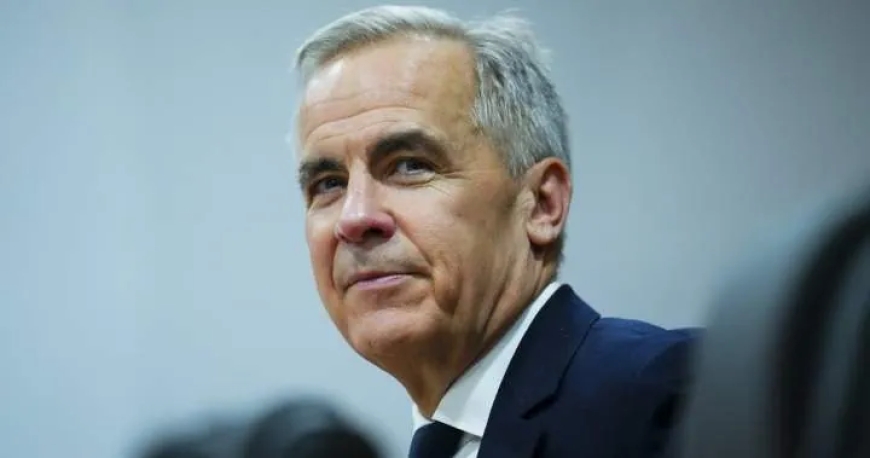
Canadian Prime Minister Mark Carney has confirmed that discussions with the Alberta government regarding a potential oil pipeline to British Columbia’s northern coast are ongoing and “constructive.” The remarks, made during his visit to the G20 summit in South Africa, addressed speculation that a framework agreement on the controversial pipeline project was imminent.
Carney emphasized that talks are part of a broader conversation linking pipeline construction, carbon capture and storage initiatives, and overall policy coordination in Alberta. “So the discussion around oil pipelines…is absolutely related to other aspects of policy in Alberta, if it were a pipeline from Alberta, as well as investment in carbon capture and storage…these are effectively carbonized, would decarbonize barrels,” he said.
While the Alberta government plans to formally submit a pipeline application to Ottawa next spring, the federal government has not yet fast-tracked any such project. Carney referred to current negotiations as a memorandum of understanding (MOU) and cautioned against premature speculation, noting that no agreement has been finalized.
B.C. Premier David Eby has maintained a cautious stance on the pipeline. He acknowledged that, while B.C. does not support the pipeline in principle, the province is willing to cooperate for the sake of national interests. “We are good team players on Team Canada and are willing to do what we can to support an expansion project if it’s needed,” Eby said.
Meanwhile, Alberta Premier Danielle Smith has shown flexibility, indicating that the focus should first be on maximizing the use of the existing Trans Mountain pipeline. Both premiers appear committed to collaboration, though any future project will require consultation and approval from Indigenous communities along the proposed route.
Additionally, discussions are reportedly considering the expansion of port facilities in Prince Rupert or Kitimat, which would necessitate at least a partial repeal of the North Coast tanker ban, a longstanding environmental safeguard.
As talks continue, all parties stress the importance of balancing economic development, environmental protection, and Indigenous rights, signaling that any agreement will likely be carefully negotiated before moving forward.
What's Your Reaction?
 Like
0
Like
0
 Dislike
0
Dislike
0
 Love
0
Love
0
 Funny
0
Funny
0
 Angry
0
Angry
0
 Sad
0
Sad
0
 Wow
0
Wow
0