



























“Chaos at 30,000 Feet: IndiGo’s Historic Meltdown Paralyzes Air Travel”
Here’s a summary of the latest on the IndiGo airlines meltdown—what went wrong, what’s being done, and what it means for passengers.


IndiGo has cancelled an unprecedented number of flights over the past few days—more than 1,500 flights across India, stranding hundreds of thousands of passengers.
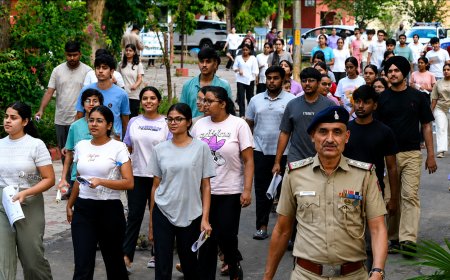
On one day alone, IndiGo scrapped over 550 flights, the worst disruption in its history. Major airports—including Delhi, Mumbai, Bengaluru, Chennai, Pune, Bhopal, Indore, and more — have all been hit, creating chaos: long waits, cancelled or delayed journeys, missing luggage, and frustrated travelers. In the capital alone, about 16,500 passengers were impacted by cancellations and delays over a short span.
Why did it happen—the root causes
-
The crisis stems mainly from the rollout of new pilot-duty regulations by DGCA (the civil-aviation regulator), known as FDTL (Flight Duty Time Limitation) norms—which increased mandatory weekly rest hours, limited night flying, and capped night landings per pilot.
-
IndiGo reportedly misjudged how many pilots and crew it would need under these stricter norms and failed to hire or schedule enough staff—triggering a huge operational shortfall.
-
The rollout coincided with winter-schedule pressures and increased flights, compounding the stress on crew availability.
-
The knock-on effects: aircraft sitting idle, crew being unavailable in many cities, cascading cancellations, and chaos at airports.
Official Response: What regulators and IndiGo did
Under pressure, DGCA has temporarily rolled back the new FDTL rules (relaxing weekly rest obligation, night-duty restrictions, etc.) for IndiGo until February 2026—to help stabilize operations. The government has issued “urgent directives” for the airline to restore services quickly and ensure passenger refunds in case of cancellations. IndiGo has announced automatic full refunds and free rescheduling for flights cancelled between 5 and 15 December.
What this means for passengers and broader aviation
Many travelers are stranded, missing urgent travel plans, with disrupted luggage, or canceled flights, or being forced to travel at much higher fares. Domestic airfares have soared on certain routes—e.g., Delhi–Mumbai ₹36,000, Delhi–Chennai ₹69,000—as demand surged and supply plummeted. The meltdown has raised serious questions about overly centralized market dominance by one carrier and the vulnerability of the national aviation system when the biggest operator falters. The trust and reputation of IndiGo—previously known for punctuality and reliability—have taken a major hit.
What's Your Reaction?
 Like
0
Like
0
 Dislike
0
Dislike
0
 Love
0
Love
0
 Funny
0
Funny
0
 Angry
0
Angry
0
 Sad
0
Sad
0
 Wow
0
Wow
0