


























Delhi Government Expands Ration Card Eligibility, Families Earning ₹2.5 Lakh Now Covered
Delhi government has approved a major cabinet decision to raise the income limit for ration card eligibility to ₹2.5 lakh annually, potentially benefiting lakhs of lower and middle-income families across the capital.

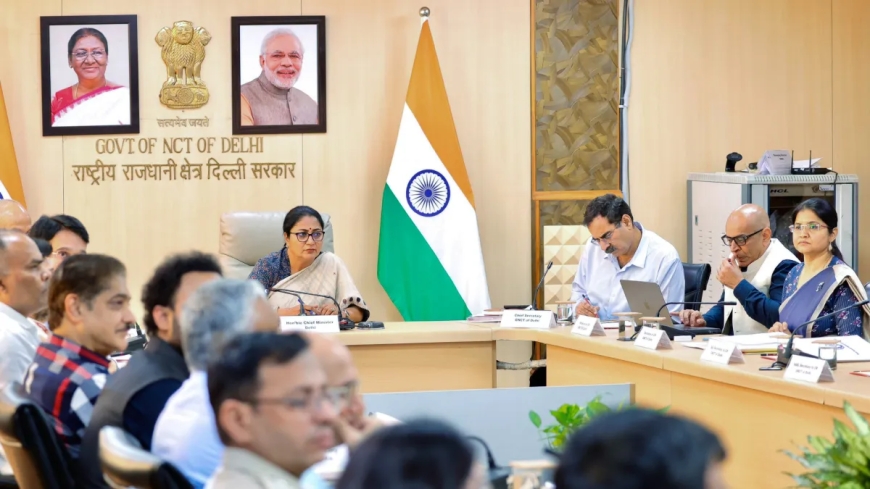
In a significant relief for residents of Delhi, the state cabinet has approved a major revision in ration card eligibility norms. Under the new decision, families earning up to ₹2.5 lakh annually will now be eligible to apply for ration cards and receive benefits under the Public Distribution System (PDS).
The move is being seen as an important welfare step aimed at supporting lower and middle-income households struggling with rising living costs in the national capital. Earlier, many families earning slightly above the previous limit were excluded from subsidized food schemes despite facing financial pressure due to inflation and increasing household expenses.
Officials said the revised policy could bring lakhs of additional families under the food security network. The government believes the decision will strengthen access to essential commodities such as wheat, rice, sugar, and other subsidized items for economically vulnerable residents.
The cabinet decision also comes after a large-scale review of existing ration card records. Authorities had recently canceled several lakh inactive, duplicate, or ineligible ration cards to streamline the system and create space for new beneficiaries. The updated eligibility criteria are expected to allow deserving applicants to benefit from the revised scheme.
The government is also focusing on digitizing the ration card application and verification process. Residents are likely to be able to apply online using Aadhaar-linked identification, income certificates, and proof of residence. Officials say digital verification will help reduce fraud, improve transparency, and ensure that benefits reach genuine beneficiaries.
Policy experts believe the decision reflects changing economic realities in urban India, especially in cities like Delhi where even moderate-income families often struggle with high rent, education, healthcare, and transportation costs.
The announcement has triggered political reactions as well, with supporters calling it a pro-people welfare measure while critics are seeking clarity on implementation and funding mechanisms. However, the government has maintained that food security remains a top priority and that stricter verification measures will continue to prevent misuse of the system.
In addition to expanding ration card access, officials are reportedly exploring modernized distribution systems, including digital payment integration and smart ration tracking technology to improve efficiency in the coming years.
The decision is expected to have a major social impact, especially among working-class families, daily wage earners, and lower middle-class households who often fall outside traditional welfare thresholds despite facing economic hardships.
What's Your Reaction?
 Like
0
Like
0
 Dislike
0
Dislike
0
 Love
0
Love
0
 Funny
0
Funny
0
 Angry
0
Angry
0
 Sad
0
Sad
0
 Wow
0
Wow
0