



























Delhi-NCR Pollution Soars: PM2.5 and PM10 Far Beyond Safe Limits on November 19

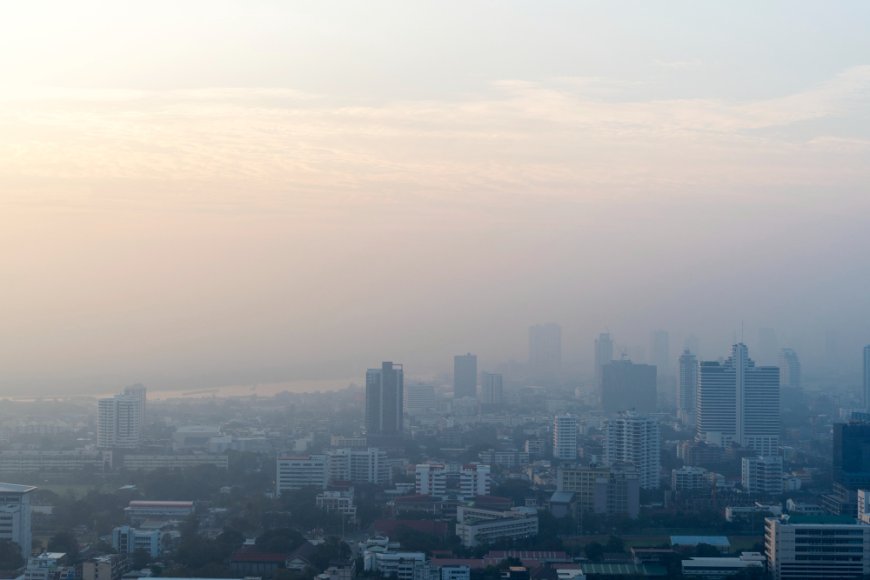
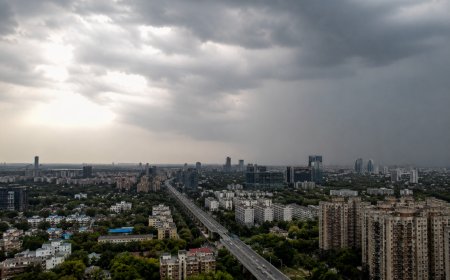
Air pollution across Delhi-NCR has reached alarming levels on November 19, with particulate matter readings far exceeding safe limits and raising serious health concerns. The Air Quality Index (AQI) in nearby regions of Uttar Pradesh has reportedly crossed 1,000, while Delhi itself is recording PM2.5 and PM10 levels many times above the World Health Organization (WHO) guidelines.
Delhi-NCR AQI: Hazardous Conditions
According to real-time monitoring on aqi.in, PM2.5 levels in Delhi were recorded at 384 μg/m³ at 7 AM, nearly 26 times higher than the WHO-recommended maximum of 15 μg/m³. PM10 readings are similarly elevated, indicating a persistent smog problem across Delhi, Noida, Ghaziabad, Faridabad, and Gurgaon.
Experts warn that such hazardous air quality can trigger respiratory issues, aggravate asthma, and increase cardiovascular risks, especially for children, the elderly, and those with pre-existing health conditions.
UP Village AQI Crosses 1,000
In a stark illustration of the pollution crisis, an air quality monitoring station in a village in Uttar Pradesh recorded AQI levels exceeding 1,000, indicating extremely hazardous conditions. While localized readings can vary, this extreme level underscores the severity of particulate matter accumulation due to crop burning, vehicular emissions, and industrial pollution in the northern plains.
Factors Contributing to Rising Pollution
The persistent rise in pollution can be attributed to several factors:
· Crop residue burning in Punjab and Haryana, sending massive smoke plumes across the region.
· Vehicular emissions from Delhi-NCR’s growing traffic density.
· Industrial activities and construction dust, particularly in rapidly urbanizing areas.
· Weather conditions, including low wind speeds and temperature inversion layers, trapping pollutants close to the ground.
Environmental analysts say that the withdrawal of monsoon rains in North India has removed a natural cleansing mechanism, allowing pollution levels to rise unchecked.
Government Response and Public Advisory
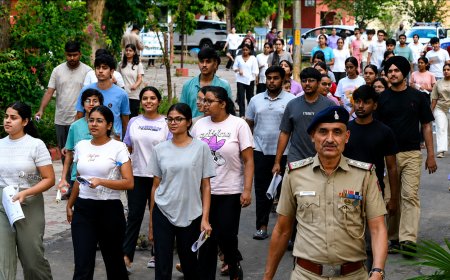
Authorities have urged residents to limit outdoor activities, particularly in the morning and evening hours when pollution peaks. Schools in Delhi and nearby areas have reportedly reduced outdoor sessions, and air purifiers are recommended for homes.
The Central Pollution Control Board (CPCB) continues to monitor the AQI closely, but experts stress that long-term measures, including stricter regulation of industrial emissions and promotion of cleaner fuels, are essential to prevent recurring crises.
Health Implications
Health professionals warn that prolonged exposure to AQI levels above 300, which Delhi-NCR is currently experiencing, can lead to serious respiratory issues, heart attacks, and strokes. Individuals with pre-existing conditions are especially at risk, while the general population should minimize exposure and wear N95 or equivalent masks outdoors.
What's Your Reaction?
 Like
0
Like
0
 Dislike
0
Dislike
0
 Love
0
Love
0
 Funny
0
Funny
0
 Angry
0
Angry
0
 Sad
0
Sad
0
 Wow
0
Wow
0